
CalMac Ferry Crisis: Fleet Failures and the 2026 Scottish Election
Nearly one-third of the Caledonian MacBrayne (CalMac) ferry fleet is currently out of service, leading to widespread disruption across Scotland’s island communities.
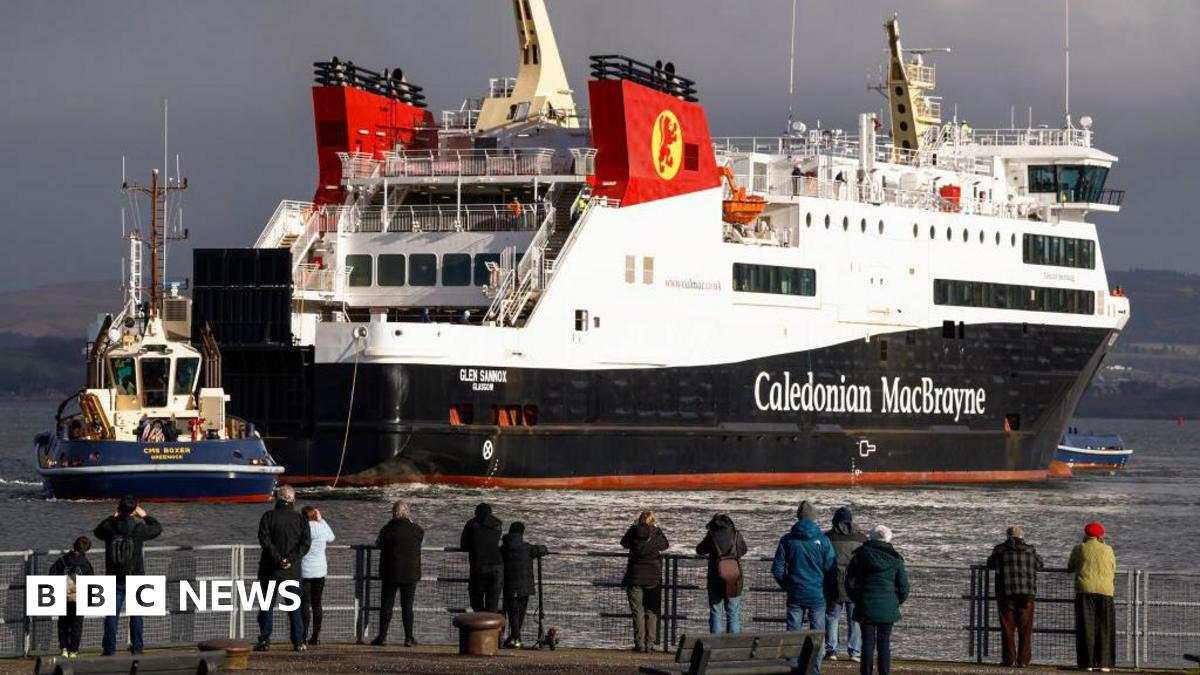
The operational deficit has forced the return of the Glen Sannox to the Arran service, a move intended to mitigate the impact of a struggling fleet. But, the persistent unavailability of vessels has resulted in “worsening” disruption for passengers and businesses relying on the network for essential transport and supplies.
Funding and Political Stakes
First Minister Keir Swinney has introduced a £10 million islands fund to address the challenges facing these communities. The initiative has faced immediate criticism from local representatives and residents, with some describing the allocation as too little and too late given the intensity of the current ferry crisis.
The reliability of the ferry network has emerged as a primary focal point for the 2026 Scottish Parliament election campaign. Political opponents and island advocates are centering their arguments on the systemic failure to maintain a functional fleet and the delays associated with new vessel procurement.
Operational Impact
The shortage of active vessels has created a cascading effect across the network, where the failure of one ship necessitates the diversion of another, leaving multiple routes underserved. The return of the Glen Sannox is a tactical deployment to stabilize the Arran route, but it does not resolve the broader deficit of operational ships across the wider CalMac fleet.
Island residents report that the unpredictability of the service continues to affect the movement of goods and healthcare access, while the Scottish Government maintains that the new funding is a necessary step toward supporting island infrastructure.
The Scottish Government has not provided a definitive timeline for when the full fleet will return to operational capacity.