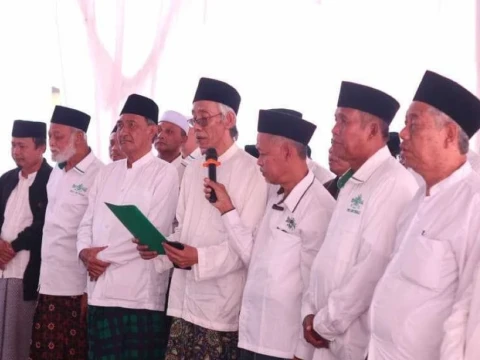
Calls for Integrity and Transparency at the 35th NU Congress
On August 23, 2026, the Central Java Regional Executive Board of Nahdlatul Ulama (PWNU Jateng) officially declared that the upcoming 35th NU Congress must be conducted with absolute integrity, transparency, and civility, completely free from illicit political interference. This major declaration arrives amidst mounting anxiety among senior clerics regarding clandestine political mobilization and financial influence within the nation’s largest Islamic organization, setting a tense stage for regional participation and national oversight.
The Growing Threat of Political Mobilization at the 35th NU Congress
The core tension surrounding the upcoming congress stems from widespread fears among senior clerics—known locally as kiai sepuh—that external political factions are attempting to weaponize internal organizational voting blocks. According to reports from Kompas.id, these respected elders have openly questioned the ethics of aggressive lobbying efforts aimed at swaying delegates.
To combat these pressures, religious leaders and organizational watchdogs have stepped up demands for strict ethical guardrails. Without robust oversight, the risk of backroom wheeling and dealing threatens to overshadow the religious and social mission of the institution.
Establishing Voter Eligibility and Delegate Allocation
Amidst the debate over political neutrality, administrative clarity remains paramount for the legitimate execution of the event. According to detikNews, Saifullah Yusuf (commonly known as Gus Ipul) publicly clarified that exactly 556 regional branches and executive boards hold the legitimate voting rights required to participate in the 35th NU Congress. This strict demarcation of eligible voters serves as a vital firewall against unauthorized participants attempting to influence proceedings from the outside.
Ensuring that only accredited regional representatives cast ballots prevents fraudulent credentialing and preserves the democratic integrity of the vote. By locking down the voter rolls early, organizers aim to preempt disputes that could fracture the membership base.
Clerics Unify Behind Seven Calls for a Dignified Congress
The push for a clean congress reached a national platform when senior clerics gathered directly at the central offices of the Nahdlatul Ulama (PBNU) to issue a formal set of seven distinct demands, as detailed by the Indonesian Ulema Council (MUI – Majelis Ulama Indonesia). These seven calls explicitly urge all members, candidates, and regional branches to reject money politics in all its forms and uphold the moral authority of the organization.

This collective stance mirrors separate declarations from the Forum Ulama, which has taken a hardline stance against financial coercion. The unified front presented by these religious leaders creates a formidable barrier against corrupt practices, shifting the cultural expectation from transactional networking back to spiritual and communal service.
As the timeline for the 35th NU Congress draws closer, the success of these reform efforts will depend entirely on the enforcement mechanisms adopted by regional chapters from Central Java outward. The steadfast refusal of senior clerics to tolerate clandestine political maneuvering establishes a high-water mark for accountability in religious governance, ensuring that the foundational values of the organization remain protected against external political capture.