California Warns of Measles Exposure Across 6 Counties After Amtrak Travel
Public health officials in California issued an urgent exposure warning after an unvaccinated individual with confirmed measles traveled via Amtrak trains and connecting thruway buses through at least six counties. The case arrives during the largest U.S. measles resurgence in over three decades, fueled largely by growing vaccine hesitancy.
A Transcontinental Route Spanning Six California Counties
According to the California Department of Public Health (CDPH), the infected traveler boarded an Amtrak train in Chicago on September 10, arriving at Los Angeles Union Station before journeying further north. The individual was later hospitalized, but not before traversing a complex transit network across the state over several days.
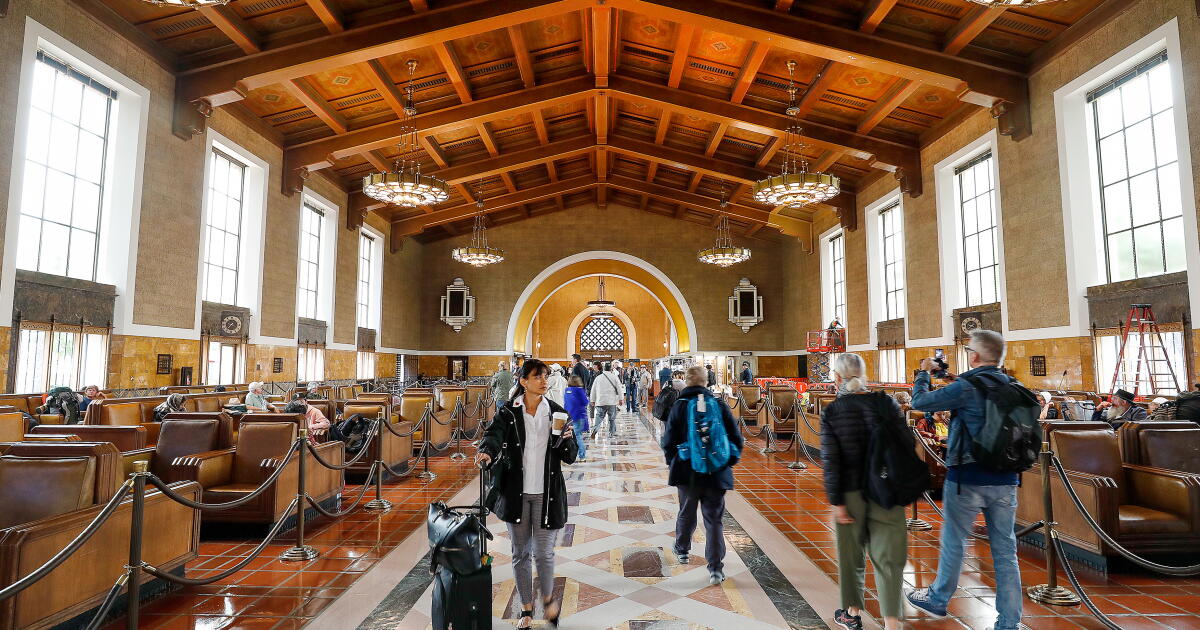
The documented itinerary reveals stops and transfers across multiple major transit hubs. The traveler moved from Los Angeles to Bakersfield on September 12, continued to Stockton’s San Joaquin Street Station, and caught a thruway bus to Oroville. On September 13, the route progressed from Oroville to the Sacramento Valley Station, onward to Emeryville, and eventually concluded with a departure toward Denver on September 14 or 15.
This multi-stop journey directly impacted transit passengers and station visitors in Alameda, Butte, Kern, Los Angeles, Sacramento, and San Joaquin counties. Dr. Rita Nguyen, assistant state public health officer, noted via the CDPH that measles is among the most contagious human infections. The disease carries risks of severe, lifelong complications, including permanent brain damage or death, particularly among young children.
Statewide Case Totals and High Susceptibility Rates
State health trackers report 59 confirmed measles cases across 13 California counties for 2026. Official data indicates that 94 percent of these patients were either entirely unvaccinated or possessed an unknown immunization status.

Public health figures show that roughly 90 percent of susceptible, unvaccinated individuals who experience close exposure will contract the virus. Because measles droplets linger in the air and on surfaces for up to two hours after an infected person leaves a space, casual contact within enclosed train cars, buses, and waiting rooms presents a high transmission risk.
Individuals who believe they may have crossed paths with the traveler are advised to check their medical records. Two doses of the measles, mumps, and rubella (MMR) vaccine offer complete immunity. Anyone uncertain of their status must coordinate with local healthcare providers immediately.
Monitoring Symptoms and Managing Exposure Protocols
Medical guidelines dictate that exposed individuals must monitor their health for a period of 7 to 21 days. Early clinical indicators mirror severe upper-respiratory infections, featuring high fevers, persistent coughs, runny noses, and red or watery eyes, eventually followed by a characteristic rash.
Health authorities stress that anyone suspecting an infection should telephone their medical provider prior to arrival at any clinic, hospital, or emergency room. Advance notice allows facilities to isolate patients and prevent exposures among vulnerable populations waiting for care.
Public health agencies continue to urge complete immunization coverage to insulate communities from recurring resurgences.