
Court Slams California’s Wildfire Insurance Claim Denials
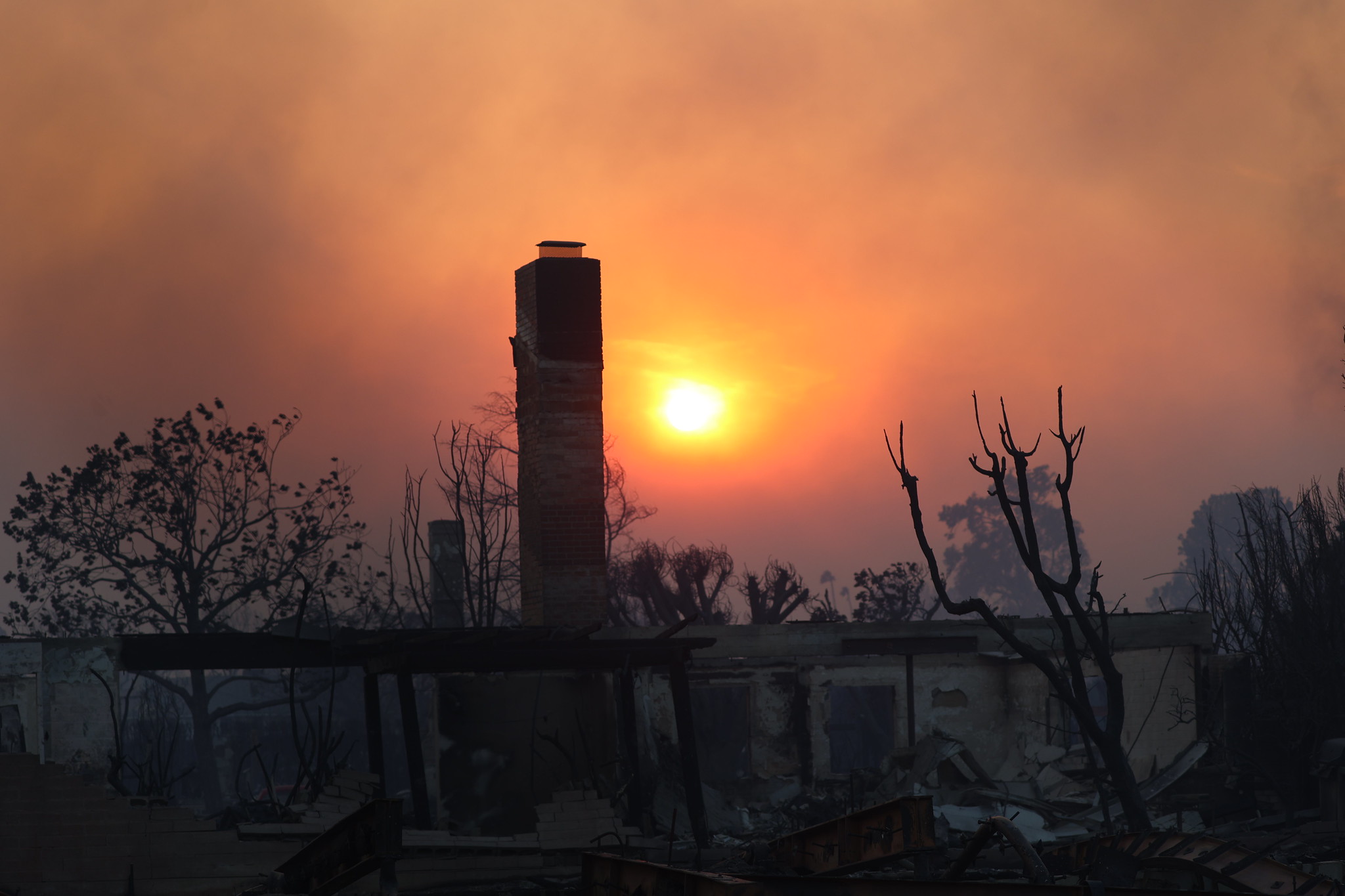
A recent court decision provided a win for California homeowners grappling with wildfire smoke damage, revealing the state’s insurance program unlawfully restricted coverage. Judge Stuart M. Rice ruled the FAIR Plan’s practices violated existing insurance laws, potentially opening the door for further challenges amid escalating wildfire risks.
Legal Victory for Homeowners
California homeowners now have more legal protections after a judge sided with a plaintiff in a case challenging the state’s wildfire insurance program. Jay Aliff, the plaintiff, sued the California FAIR Plan Association for denying his claim after the 2020 Mountain View Fire. The judge found fault with the program’s requirement for visible smoke damage.
BREAKING: A judge has ruled that the California FAIR Plan’s practice of requiring visible smoke damage for coverage is unlawful, siding with homeowner Jay Aliff in a recent case. This decision could have significant implications for wildfire insurance claims. #California #Wildfires
— World Today News (@WorldTodayNews) March 23, 2024
The central point of the lawsuit involved Aliff‘s Lake Tahoe-area home, which suffered smoke contamination. The FAIR Plan rejected coverage due to the absence of visible damage. Judge Rice‘s decision stated the program’s standards broke insurance law, which did not limit detection to what the “unaided human eye” could see.
“Direct physical loss” includes smoke contamination not always evident to the average person.
— Department of Insurance
Since 2020, enrollment in the California FAIR Plan has more than doubled, with over 550,000 households relying on it as of March 2025. The program acts as a safety net for those unable to get private insurance, facing mounting scrutiny as wildfires increase in frequency and intensity (California Department of Insurance).
Deeper Concerns
Wildfires in urban settings can generate hazardous materials, like lead and benzene, that aren’t always detectable without scientific analysis. Disputes are growing on how to handle properties primarily affected by smoke and toxic residue. Insurers are now forced to adapt to escalating wildfire risks that the state faces.
Aliff‘s victory could prompt further legal action against the FAIR Plan. This ruling adds to concerns about the state’s capacity to deal with these events as the impacts of climate change create more extreme weather patterns.
