California Implements New Zone 0 Wildfire Landscaping Rules for Homeowners
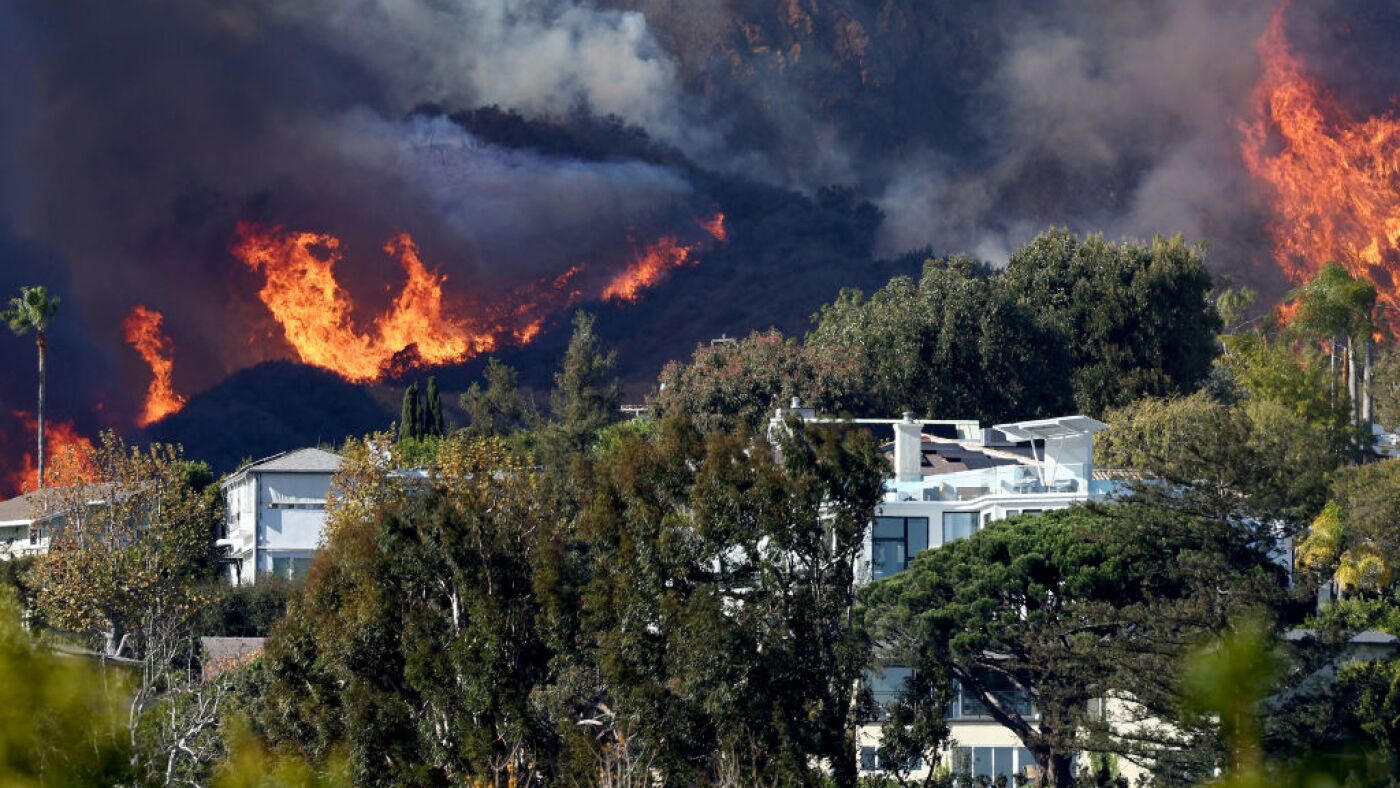
California is set to implement the toughest wildfire-mitigation landscaping regulations in the United States, mandating that homeowners in high-risk zones clear combustible materials within five feet of their residences. The California Board of Forestry and Fire Protection is expected to consider adopting these “Zone 0” rules on August 19, 2026, targeting ember-resistant buffers.
The Mechanics of Zone 0 Compliance
The proposed regulations represent a granular shift in how the state manages defensible space. While existing requirements already cover broader perimeters—known as Zone 1 and Zone 2—the new Zone 0 policy focuses on the first five feet surrounding homes. According to a memo from the California Board of Forestry and Fire Protection, this specific area is where wind-blown embers accumulate and ignite structures.
Homeowners in State Responsibility Areas and designated Very High Fire Hazard Severity Zones face specific maintenance mandates. The draft regulation requires the removal of all fallen leaves, tree needles, bark, and storing firewood. Potted plants must be housed in non-combustible pots and kept easily movable. Furthermore, structural modifications may be required for outbuildings and fencing; the rules specify that sheds must feature non-combustible exterior roofs and walls, while wooden gates attached to homes may need to be replaced with metal alternatives to prevent fire spread.
Regulatory Scope and Economic Impact
The policy development follows the Los Angeles County fires in January 2025. The regulations are structured to apply to property owners within State Responsibility Areas, where the state is responsible for wildfire protection and prevention, and in Local Responsibility Areas identified as having a Very High Fire Hazard Severity, as noted by USA Today. In local responsibility areas, fire agencies retain the authority to authorize alternative practices, provided they have a similar effect to that of the Zone 0 regulations.
Public pushback has been strong. As these regulations move toward a potential September 2026 effective date, the intersection of private property rights and public safety mandates creates a complex environment for real estate and construction sectors.
Navigating the New Landscape of Property Resilience
Disclaimer: The views and cultural analyses presented in this article are for informational and entertainment purposes only. Information regarding legal disputes or financial data is based on available public records.