
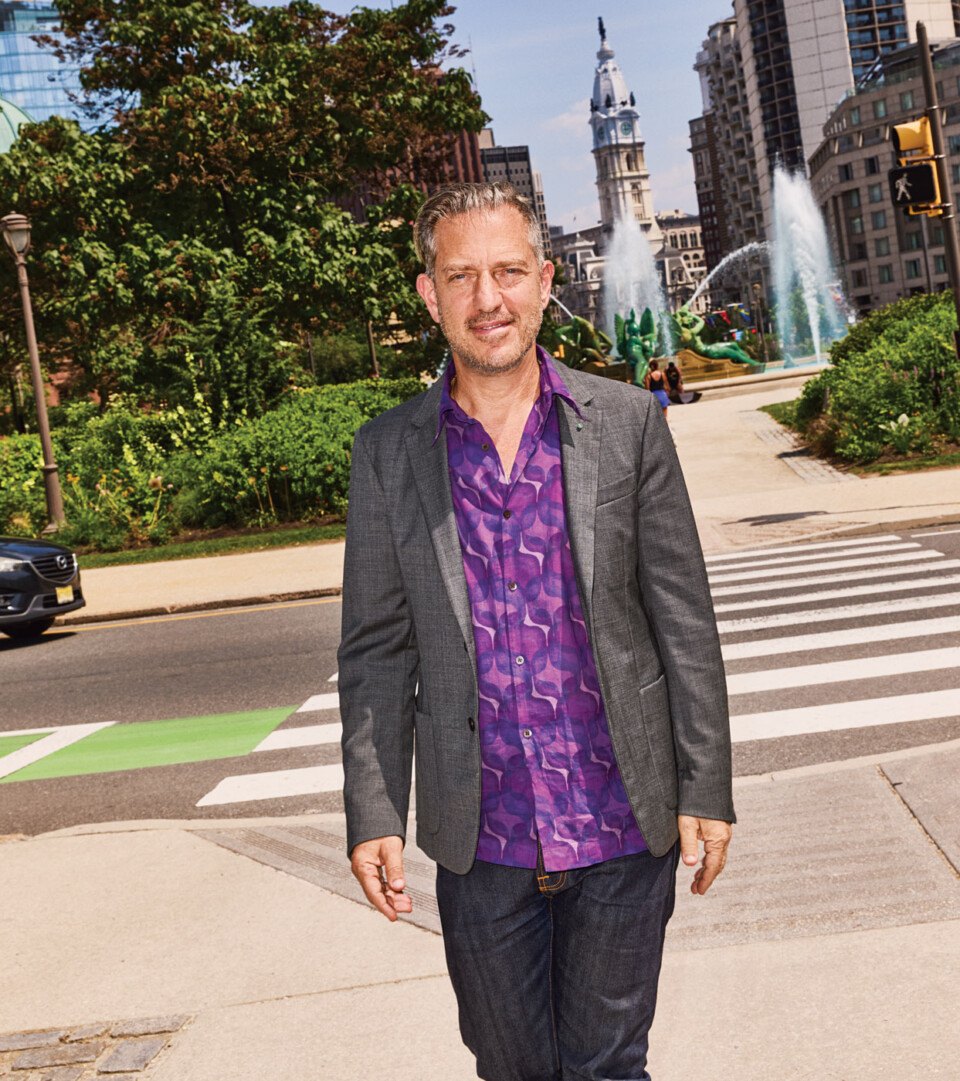
The Calder Gardens Museum, a groundbreaking institution dedicated to the immersive experience of Alexander Calder‘s art, is set to redefine the museum landscape. Spearheaded by Calder Foundation president and grandson Sandy Rower, and wiht the visionary architectural design by Herzog & de Meuron, the museum aims to foster a profound, personal connection between visitors and the artist’s iconic works.
Rower emphasizes a departure from traditional museum practices, stating, “My mission is not to interpret the work. And not to allow other people to interpret it for you.” This ideology translates into a space devoid of wall labels, encouraging visitors to engage directly with the art without pre-conceived notions or external guidance. “There’s nothing mitigating your experience. There’s nobody telling you what to think,” Rower explains. While this might initially seem challenging for those accustomed to explicit information, the intention is to create an unadulterated encounter with Calder’s creations.
The museum’s unique setting within a garden, curated by landscape architect Michael Van Valkenburgh, is integral to its mission. Director of programming, Agnes Berrio, highlights the holistic approach, stating, “It’s an invitation for a full holistic experience, for the soul, the mind, and the body.” The garden surroundings itself serves as a subtle teacher,inviting contemplation of impermanence and interconnectedness,themes deeply resonant with calder’s artistic principles. Berrio envisions programming that extends beyond visual art,incorporating elements of mindfulness,meditation,poetry,music,and scholarly discourse. Plans include a monthly film club and sound series, further enriching the visitor’s journey. The idea of lending meditation pillows to visitors underscores the museum’s commitment to facilitating self-discovery.
The absence of didactic elements is not intended to alienate visitors but rather to foster a sense of shared discovery.Berrio suggests that the lack of labels might encourage dialogue between visitors, prompting them to share their own interpretations and insights. This communal aspect mirrors the potential symbolism of Calder’s mobiles,which can be seen as representations of interconnectedness – from the smallest particles to celestial bodies,and even human relationships. The museum provides a space to reflect on these intricate webs of connection, encouraging a deeper understanding of our place within the world. Ultimately,the Calder Gardens Museum invites each individual to forge their own meaningful relationship with art and,by extension,with the world around them.
