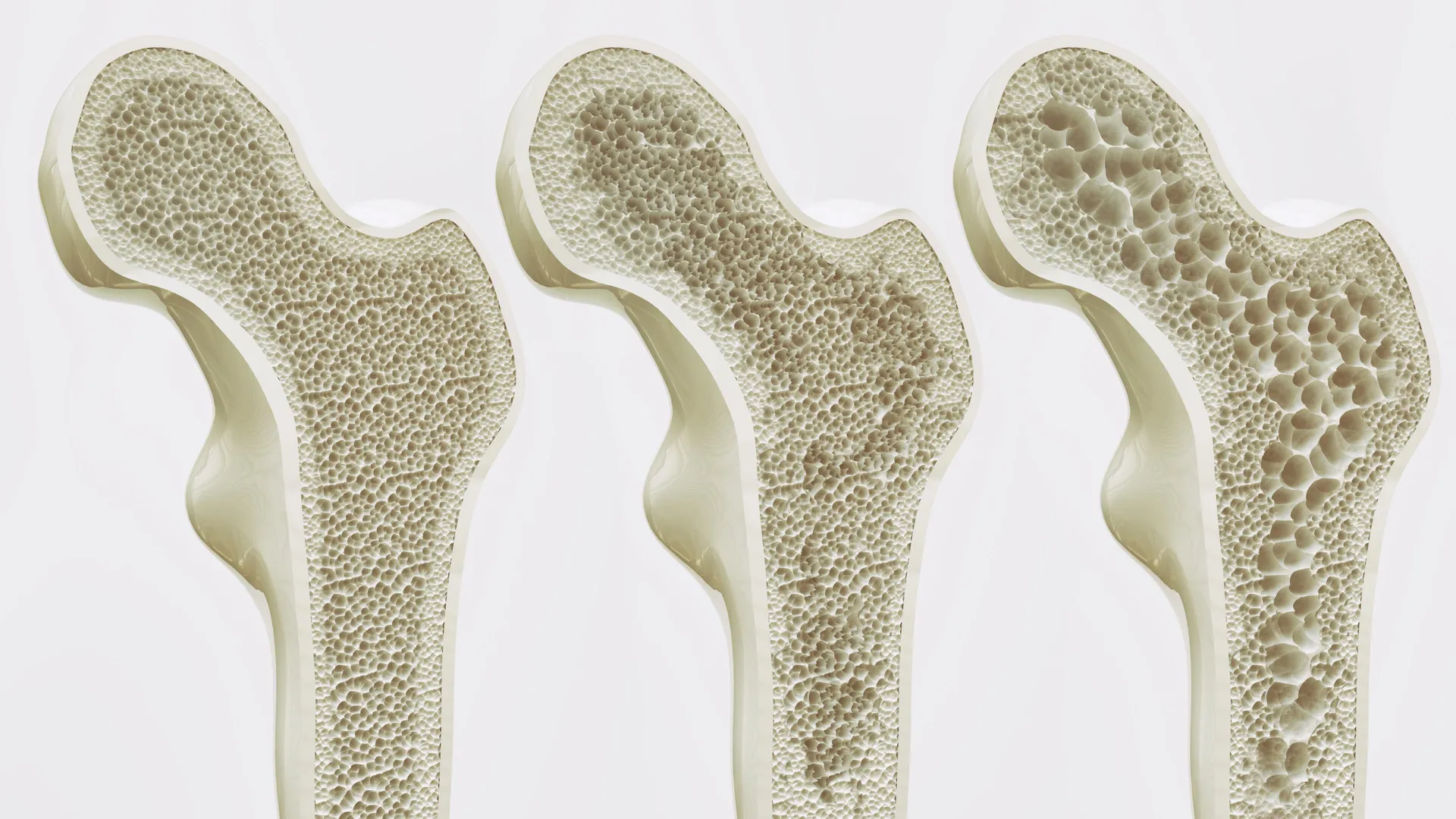
Calcium and Vitamin D Supplements Don’t Prevent Falls or Fractures, Study Finds
Older adults who take calcium and vitamin D supplements to protect their bone health may be receiving little to no clinical benefit, according to a sweeping new review published in The BMJ. The investigation, which analyzed data from more than 153,000 adults, challenges longstanding public health guidelines that routinely recommend these nutritional supplements for fracture and fall prevention in aging populations.
The BMJ Review Challenges Routine Supplementation
A major review of 69 randomized controlled trials involving 153,902 adults found that calcium and vitamin D supplements—taken alone or together—do little to prevent fractures or falls in older people. High and moderate certainty evidence showed no clinically meaningful reduction in overall fractures, hip fractures, or fall incidents. Researchers suggest shifting preventative focus toward practical alternatives like balance and resistance exercises rather than relying on routine supplementation.
The Growing Crisis of Aging and Falls
Falls present a severe public health challenge as populations age. Epidemiological data indicates that nearly one in three adults aged 65 and older falls annually. These incidents frequently trigger cascading health crises, including debilitating fractures, chronic pain, loss of independence, and diminished quality of life that can necessitate a transition into residential care. Because of these stakes, identifying robust preventative measures remains a primary objective for geriatric medicine.
Weighing Biological Rationale Against Clinical Reality
Historically, medical consensus closely linked calcium and vitamin D to skeletal integrity. Calcium serves as a fundamental structural component of bone tissue, while vitamin D facilitates intestinal calcium absorption and regulates normal bone metabolism. Despite this physiological rationale, past evidence evaluations consistently showed that standalone calcium or vitamin D intake failed to significantly lower fracture risk. Results regarding combined supplementation remained inconclusive, leaving uncertainty around whether vitamin D could actively mitigate fall rates.
To resolve these ambiguities, a team of researchers based in Canada conducted a comprehensive evaluation of 69 randomized controlled trials. These trials encompassed a total of 153,902 adult participants. Randomized controlled trials represent the gold standard in clinical research because random participant assignment minimizes confounding variables. The studies compared various regimens of calcium supplements, vitamin D supplements, or dual administration against a placebo or no active treatment.
Data Shows No Meaningful Protection
Upon establishing strict thresholds for clinically meaningful benefits, the research team detected little to no effect on fracture incidence. Moderate-certainty evidence derived from 11 trials involving 9,067 participants demonstrated no meaningful protection from calcium supplements alone. Similarly, high-certainty evidence from 36 trials encompassing 92,045 participants showed that vitamin D supplementation failed to meaningfully alter fracture or fall rates. Combined calcium and vitamin D regimens yielded identical results, supported by high-certainty evidence across 15 trials involving 51,126 participants. Specific clinical endpoints, including hip fractures and total falls, followed this exact pattern.

The consistency of the review’s results reinforces their validity. The outcomes remained stable even after researchers adjusted for confounding variables such as age, sex, historical fracture rates, prior falls, and baseline dietary calcium intake. Based on these robust data points, the authors state that current scientific evidence does not support routine supplementation of calcium, vitamin D, or combined formulations for primary fracture and fall prevention in older adults.
Exceptions and New Directions in Patient Care
Despite these broad conclusions, investigators emphasize important clinical exceptions. Patients managing specific metabolic bone disorders or those undergoing active pharmacological treatment for osteoporosis possess distinct clinical requirements and must not generalize these findings to their personal care plans.
As clinical guidelines face inevitable reevaluation, healthcare providers are encouraged to pivot toward proven non-pharmacological interventions. Balance and resistance exercise offer verifiable benefits for muscular strength and stability.
Disclaimer: The information provided in this article is for educational and scientific communication purposes only and does not constitute medical advice. Always consult with a qualified healthcare provider regarding any medical condition, diagnosis, or treatment plan.