Calaceite: A Hidden Gem of History, Literature, and Culture in Teruel
Calaceite, a historic municipality in Spain’s Teruel province, serves as a nexus of Iberian archaeology, Renaissance architecture, and 20th-century literary history. Recognized as one of the “Most Beautiful Villages in Spain,” the town preserves a unique urban layout featuring medieval portals converted into chapels, reflecting centuries of shifting defensive and cultural priorities.
The Architectural Evolution of a Matarraña Landmark
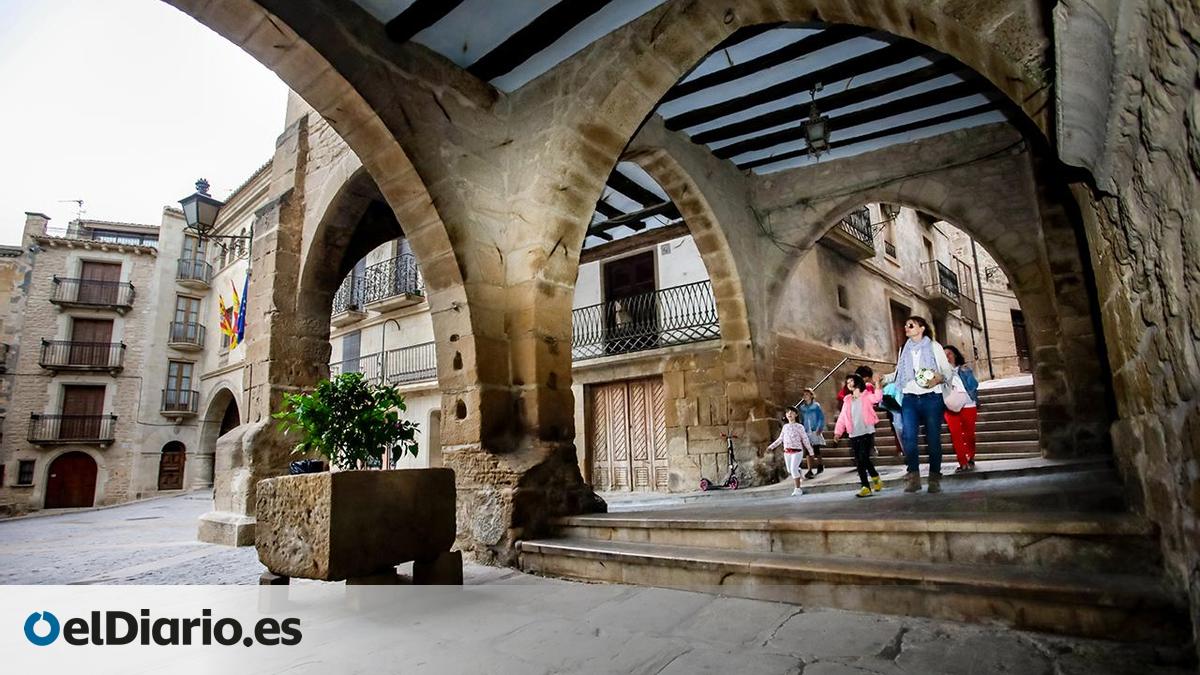
The urban identity of Calaceite is defined by its adaptation to the rugged terrain of the Matarraña region. Central to this is the Plaza de España, a 16th-century hub that once hosted the town’s primary commerce and administrative functions. The local town hall, completed in the early 17th century, remains a hallmark of Renaissance civil architecture, featuring arches that historically housed the municipal jail and public market.
Visitors often note the “portal-chapels,” such as the Portal-Capilla de San Antonio and the Portal-Capilla de la Virgen del Pilar. These structures represent a creative architectural transition; as the town’s defensive needs waned, medieval city gates were repurposed into religious spaces. This structural reuse illustrates the town’s ability to evolve while maintaining its historical facade. For those managing the preservation of such sites, consulting with a Heritage Conservation Specialist is essential to ensure that structural integrity is maintained without compromising historical authenticity.
Literary Legacy and the Latin American Boom
Beyond its stone walls, Calaceite gained international prominence during the late 20th century as a sanctuary for the “Latin American Boom.” Chilean writer José Donoso established a residence in the town during the 1970s, effectively transforming the quiet village into a hub for intellectual discourse. Notable figures, including Gabriel García Márquez, Mario Vargas Llosa, and Carlos Fuentes, spent time in the village, drawn by the same tranquility that defines its streets today.
This legacy is formally recognized by the Plaza de los Artistas, inaugurated in 1999. The town’s history of hosting international talent necessitates robust support for cultural programming. Local entities seeking to maintain this artistic reputation often require assistance from a Cultural Resource Management Firm to organize exhibitions and preserve archival materials related to these literary figures.
Archaeological Significance: The Iberian Connection
The historical depth of Calaceite extends to the pre-Roman era. The town is the birthplace of Juan Cabré, a seminal figure in Spanish archaeology whose work brought national attention to the Iberian culture. His research is memorialized in the local museum bearing his name, which serves as a repository for the region’s prehistoric findings.
Just one kilometer from the town center, the San Antonio Iberian settlement offers a window into life between the 5th and 2nd centuries BCE. Excavations at this site have revealed structural remains of defensive systems and domestic housing that testify to the strategic importance of the area. The maintenance of such archaeological sites is a complex legal and logistical undertaking. Developers or municipal planners overseeing land use near these sensitive areas are strongly advised to engage a Land Use and Zoning Attorney to navigate the strict regulations governing protected heritage sites.
Infrastructure and the Future of Cultural Tourism
As of June 6, 2026, Calaceite remains a focal point for those interested in the intersection of rural economy and cultural heritage. The local economy, historically rooted in olive oil production—exemplified by the 800-year-old “Olivera del Suavo”—continues to balance agricultural tradition with the demands of modern tourism.

Managing the influx of visitors while protecting delicate historical assets requires careful planning. “The challenge for towns like Calaceite is to modernize infrastructure without eroding the very character that draws visitors in the first place,” notes a regional planning expert familiar with Aragon’s municipal development strategies. To address these pressures, town councils frequently seek guidance from Urban Infrastructure Planning Consultants to optimize pedestrian flow and public services.
The silhouette of the village, dominated by the 1710 Church of the Assumption, stands as a testament to the village’s resilience. Whether through the preservation of its baroque facades or the continued study of its Iberian roots, Calaceite exemplifies how a small community can sustain its relevance across centuries. The integration of modern services with ancient architecture remains the primary task for those entrusted with its future. As the village looks toward the next decade, the successful preservation of its identity will depend on the professional expertise leveraged to protect its past while accommodating the needs of the future.