Caffeine for Breathing Problems in Late Preterm Babies: What the Evidence Shows
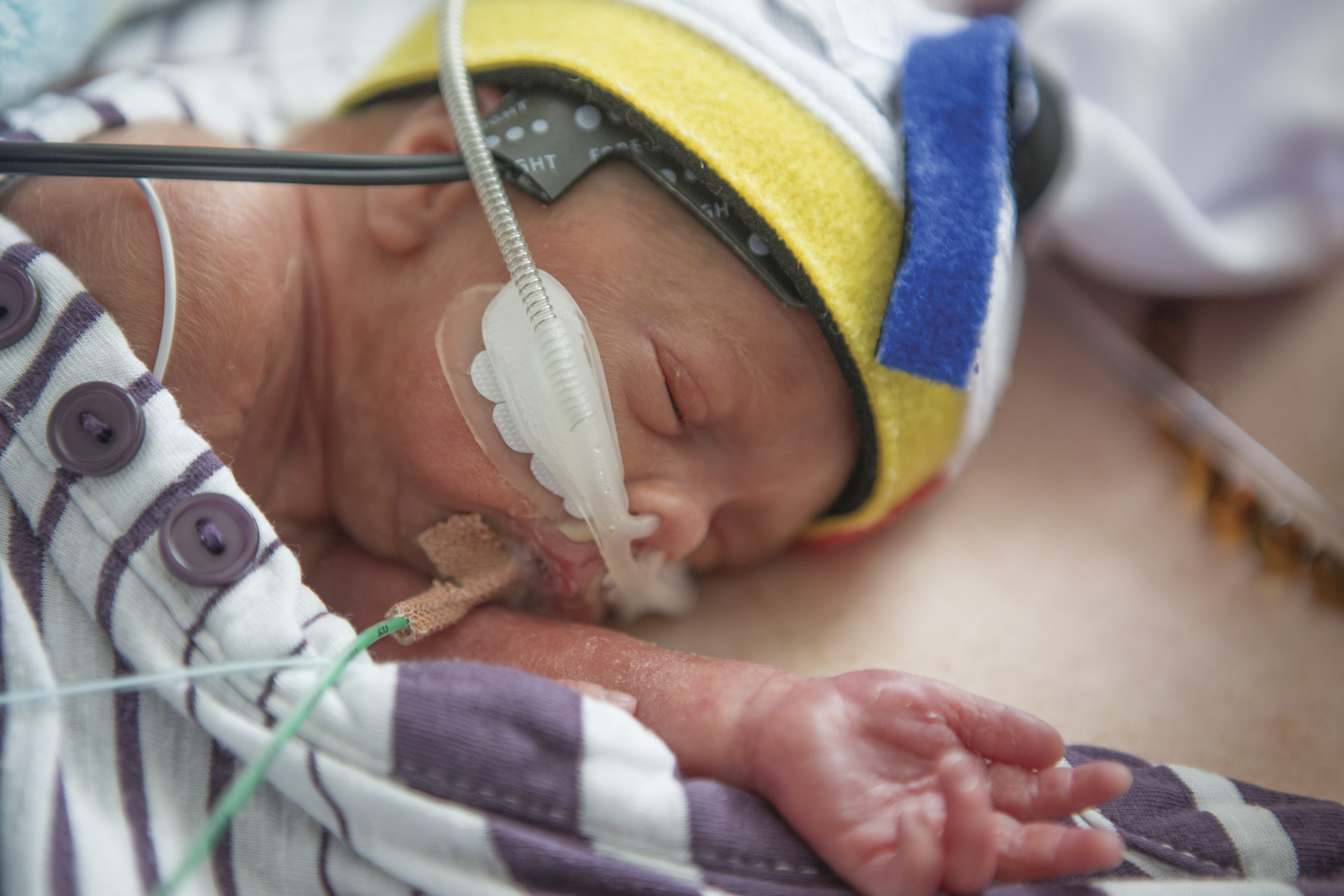
Giving caffeine and other breathing-stimulating medicines to babies born a few weeks early may reduce short-term drops in blood oxygen levels, but clinical data regarding their broader efficacy remain extremely limited. According to a review of medical evidence current to December 2025, only one study has evaluated the use of methylxanthines in late preterm infants born between 34 and 36 weeks of pregnancy. While these medications are often used, successfully, to treat breathing problems in premature infants born before 32 weeks, researchers emphasize that their safety and effectiveness for late preterm populations require significantly more investigation.
Physiological Risks in Late Preterm Neonates
The core clinical challenge in managing late preterm neonates stems from pulmonary and neurological immaturity. Unlike infants born at full term after 37 weeks, late preterm babies often experience intermittent hypoxemia, where oxygen levels drop for short periods of time. Breathing difficulties can cause long-term problems by damaging the brain. To counteract this, methylxanthines, a class of pharmacologic agents that make breathing easier by relaxing the muscles we use to breathe, are utilized. Caffeine is the most commonly used type of methylxanthine because it has fewer unwanted effects than other types.
Insights From the Sole New Zealand Trial
Applying these therapies to late preterm infants lacks robust empirical backing. The primary evidence base relies on a single clinical study conducted in New Zealand involving 132 participants. This trial compared varying doses of caffeine against a placebo control group. Investigators observed that caffeine administration may lower the number of times babies have low oxygen levels over one week from starting treatment. However, the trial failed to provide clarity on critical secondary outcomes, such as whether the intervention reduces the need for breathing (respiratory) support, shortens hospital stays, or impacts survival rates until leaving the hospital.
Methodological Limitations and Clinical Gaps
Methodological limitations heavily constrain the current medical consensus. Because the findings rest upon a single small-scale trial, confidence in the reported data is very low. The study did not report on critical long-term development metrics or the number of times a baby stopped breathing (apnea). Furthermore, researchers identified no studies investigating methylxanthines to treat, rather than prevent, breathing complications in late preterm infants.
Ongoing Global Trials and Institutional Protocols
Pediatric research continues to evolve. Five studies are currently in progress, with findings anticipated to help update the evidence base and clarify the risk-benefit profile of respiratory stimulants in late preterm cohorts.
Key Takeaways for Care Teams
Late preterm infants, born between 34 and 36 weeks, possess underdeveloped lungs and other organs that place them at risk for intermittent hypoxemia, a condition marked by drops in blood oxygen levels. The sole identified clinical trial examined 132 late preterm babies in New Zealand, finding that caffeine administration may reduce the frequency of low oxygen episodes over a one-week treatment window. Current evidence remains insufficient to determine whether caffeine decreases the need for breathing support, such as ventilators, shortens hospital stays, or causes unwanted effects in this specific cohort.
Disclaimer: The information provided in this article is for educational and scientific communication purposes only and does not constitute medical advice. Always consult with a qualified healthcare provider regarding any medical condition, diagnosis, or treatment plan.