
Cadmium Contamination in France: Health Risks & Food Sources
France Faces Growing Health Concerns as Cadmium Levels in Population Remain High
French health authorities have confirmed that nearly all of the country’s population is exposed to heavy metals, with cadmium levels remaining particularly high, raising concerns about long-term health consequences. A study released by Santé publique France in 2021 revealed that 47.6% of adults aged 18-60 exceed the critical threshold of 0.5 micrograms of cadmium per gram of creatinine in their urine, an indicator of kidney health.
The findings, initially reported by vert.eco, align with a broader assessment by the National Agency for Food, Environmental and Occupational Health Safety (Anses), which recently confirmed that diet is the primary source of cadmium exposure, accounting for up to 98% of intake in non-smokers. The Anses study examined various exposure routes, including food, water, air, dust, soil, cosmetics, and tobacco use.
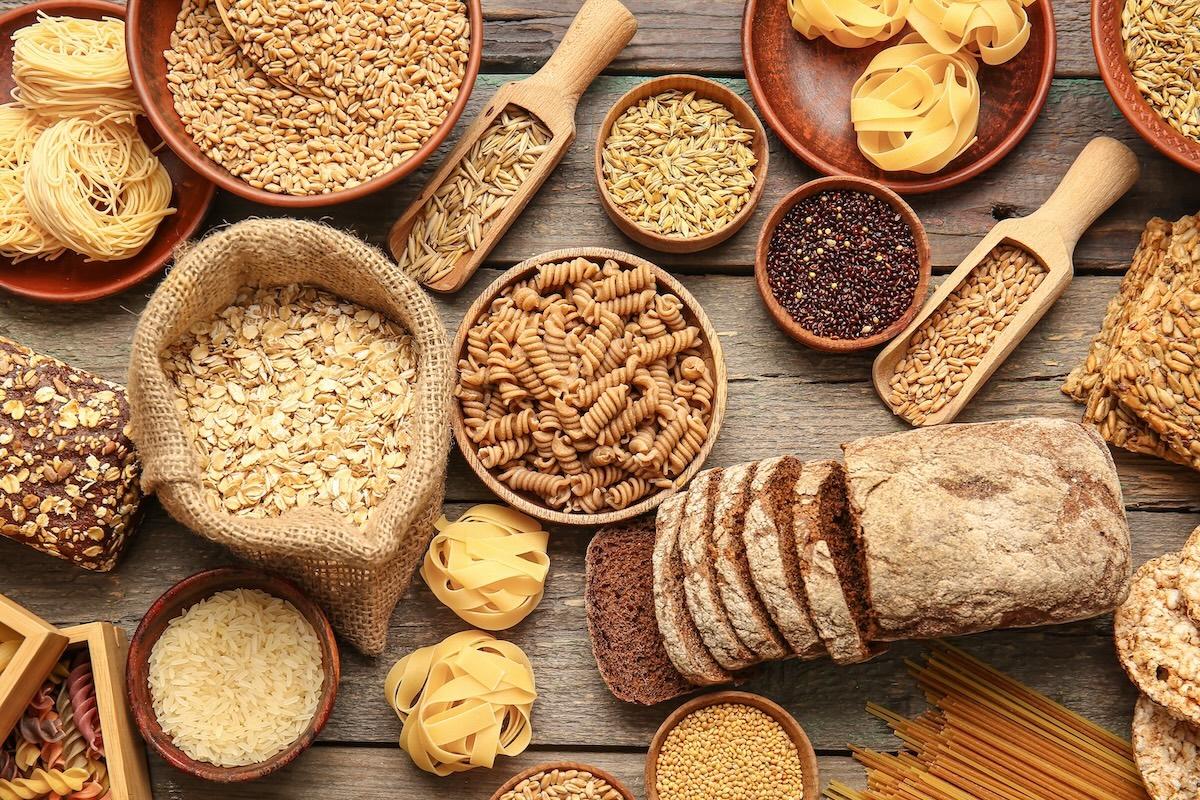
Foods contributing to cadmium exposure include cereals – breakfast cereals, bread, pastries, pasta, and rice – as well as potatoes and certain vegetables. Whereas chocolate was found to be a minor contributor, the prevalence of these staple foods in the French diet is driving the widespread contamination. Tobacco use as well represents an additional source of cadmium exposure.
Cadmium is classified as a substance that is carcinogenic, mutagenic, and reprotoxic (CMR) by European standards. Exposure is linked to kidney damage and increased risk of osteoporosis following prolonged exposure. The Esteban study, which began in 2014 and concluded in 2016, also indicated that cadmium levels in the French population were three to four times higher than those observed in North American and other European countries.
The source of the contamination is linked to the use of phosphate fertilizers in agriculture, which naturally contain cadmium. France relies on imports of phosphate rock, particularly from Morocco, which has exceptionally high cadmium concentrations – up to 73 mg/kg. This is significantly higher than the European Union limit of 40 mg/kg, currently in effect, and more than double the 90 mg/kg limit currently applied in France.
The EU is set to lower the threshold to 20 mg/kg by 2035, a standard already adopted by countries like Finland, Hungary, and Slovakia. Anses recommends applying a limit of 20 mg/kg of phosphate in mineral fertilizers and an annual cadmium input of no more than 2 grams per hectare of agricultural land.
Anses is also advocating for the adoption of new agricultural practices that adjust fertilizer types and quantities based on soil and crop needs, and promote techniques to mobilize existing phosphorus in soils, reducing the demand for additional phosphate inputs. The agency also suggests encouraging farmers to source fertilizers with lower cadmium content or utilize cadmium removal processes.
On an individual level, Anses recommends limiting consumption of wheat-based products, both sweet and savory, such as breakfast cereals, cakes, and biscuits, and increasing the intake of legumes.
Géraldine Carne, who coordinated the Anses expertise, warned that “if current exposure levels are maintained and no action is taken, adverse effects are likely to occur in a growing proportion of the population.”
The agency is currently pushing for a revision of fertilizer labeling to include cadmium content information, a step that could empower consumers and inform agricultural practices.