
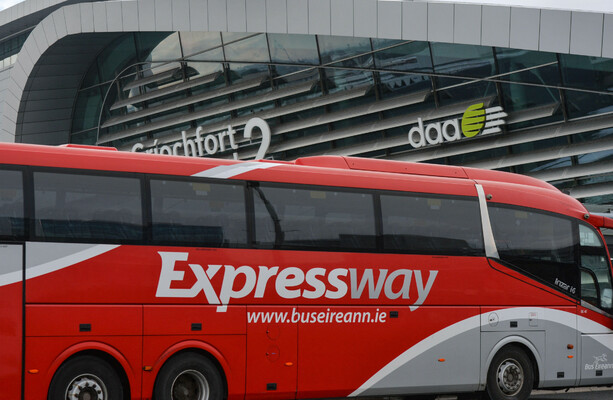
Bus Éireann Withdraws Three Regional Expressway Services Amid Short-Sighted Criticism
Bus Éireann, Ireland’s national bus company, is facing significant backlash after abruptly ending three Expressway intercity routes – Ballina to Galway, Wexford to Waterford, and a Dublin to Donegal service – citing unsustainable losses. The move, impacting regional connectivity and commuter access, has ignited a political firestorm and raised concerns about the future of rural transport infrastructure. The decision underscores a broader fiscal challenge for state-owned transport operators navigating post-pandemic recovery and rising operational costs.
The immediate fallout isn’t simply inconvenience for passengers. It’s a disruption to regional economies reliant on consistent transport links for tourism, workforce mobility, and supply chain efficiency. Businesses in affected areas are already voicing concerns about diminished access to markets and a potential slowdown in economic activity. This situation highlights a critical demand for robust risk management and contingency planning within public transport authorities – a need often addressed through specialized risk assessment and mitigation services.
The Financial Strain on National Transport
Bus Éireann’s rationale centers on “continuous and significant losses” on these particular routes. While the company hasn’t released granular financial details, the Irish Independent reported that the Wexford to Waterford service alone was operating at a loss. This isn’t an isolated incident. Across Europe, publicly funded transport networks are grappling with the dual pressures of increased fuel costs and reduced ridership following the easing of pandemic restrictions. According to the European Environment Agency’s 2024 Transport Trends report, public transport usage remains 15% below pre-pandemic levels in many regions, despite government subsidies.
The problem isn’t simply a lack of passengers; it’s a structural imbalance between fare revenue and operating expenses. Ireland’s National Transport Authority (NTA) provides substantial subsidies to Bus Éireann, but these are clearly insufficient to cover losses on less profitable routes. The current model relies heavily on cross-subsidization, where revenue from busy urban routes supports services in rural areas. This system is increasingly unsustainable, particularly as fuel prices remain volatile and labor costs continue to rise. The situation demands a re-evaluation of funding models and a potential shift towards more targeted, performance-based subsidies.
Political Repercussions and Regional Impact
The decision to axe these routes has triggered a swift political response. Sinn Féin TD for Galway East, Mairead Farrell, described the cancellation of the Ballina to Galway service as a “major blow” to the region, emphasizing the reliance of residents on the route for access to healthcare, education, and employment. The outcry underscores the political sensitivity surrounding transport infrastructure, particularly in areas with limited alternative options.
Beyond the immediate political fallout, the cuts have a tangible impact on regional economies. Businesses dependent on tourism, for example, face challenges in attracting visitors without reliable transport links. The lack of connectivity too hinders workforce mobility, potentially exacerbating labor shortages in certain areas. This ripple effect highlights the interconnectedness of transport infrastructure and economic development.
“We’re seeing a pattern of short-term cost-cutting measures that ignore the long-term economic consequences. Investing in regional transport isn’t just about providing a service; it’s about fostering economic growth and ensuring equitable access to opportunities.” – Dr. Eleanor Vance, Senior Economist, Trinity College Dublin.
The Search for Sustainable Solutions
The current crisis demands a multifaceted approach. Simply cutting routes isn’t a viable long-term solution. Instead, Bus Éireann and the NTA need to explore alternative strategies to improve efficiency, increase ridership, and secure sustainable funding. This includes optimizing route networks, investing in fuel-efficient vehicles, and leveraging technology to enhance the passenger experience.
One potential avenue is the implementation of demand-responsive transport (DRT) systems, where buses are dispatched based on real-time demand rather than fixed schedules. DRT can be particularly effective in rural areas with low population density, offering a more cost-effective alternative to traditional fixed-route services. However, implementing DRT requires significant investment in technology and infrastructure, as well as careful planning to ensure seamless integration with existing transport networks.
exploring public-private partnerships (PPPs) could unlock additional funding and expertise. PPPs can leverage private sector innovation and efficiency to deliver transport infrastructure projects more effectively. However, careful consideration must be given to ensuring that PPPs align with public interest objectives and do not compromise affordability or accessibility. Navigating the complexities of PPPs requires specialized legal counsel, making expert corporate legal advisors essential partners.
The Role of Technology and Data Analytics
Data analytics plays a crucial role in optimizing transport networks and improving efficiency. By analyzing passenger data, Bus Éireann can identify underutilized routes, adjust schedules to meet demand, and personalize the passenger experience. Real-time tracking and monitoring systems can also help to improve operational efficiency and reduce delays.
The integration of smart ticketing systems and mobile apps can further enhance the passenger experience and encourage ridership. These technologies can provide passengers with real-time information about schedules, fares, and disruptions, as well as allowing them to purchase tickets and plan their journeys seamlessly.
However, leveraging the power of data requires robust data security measures to protect passenger privacy and prevent cyberattacks. Investing in cybersecurity infrastructure and expertise is therefore essential for any transport operator that relies on data-driven decision-making. This is where specialized cybersecurity consulting firms can provide invaluable support.
Looking Ahead: A Call for Strategic Investment
The Bus Éireann route cancellations are a symptom of a larger systemic challenge facing public transport networks across Europe. Addressing this challenge requires a long-term strategic vision, coupled with sustained investment in infrastructure, technology, and innovation. Short-sighted cost-cutting measures may provide temporary relief, but they ultimately undermine the long-term sustainability of the transport system.
The upcoming fiscal quarters will be critical for Bus Éireann and the NTA. They must demonstrate a commitment to finding sustainable solutions that prioritize both financial viability and public service. This includes engaging with stakeholders, exploring innovative funding models, and leveraging the power of technology to improve efficiency and enhance the passenger experience.
For businesses navigating these evolving transport landscapes, proactive planning and access to expert advice are paramount. The World Today News Directory provides a curated network of vetted B2B partners – from risk management consultants to legal advisors and cybersecurity specialists – ready to help you mitigate disruption and capitalize on emerging opportunities. Don’t let infrastructure changes derail your growth; connect with the right partners today.