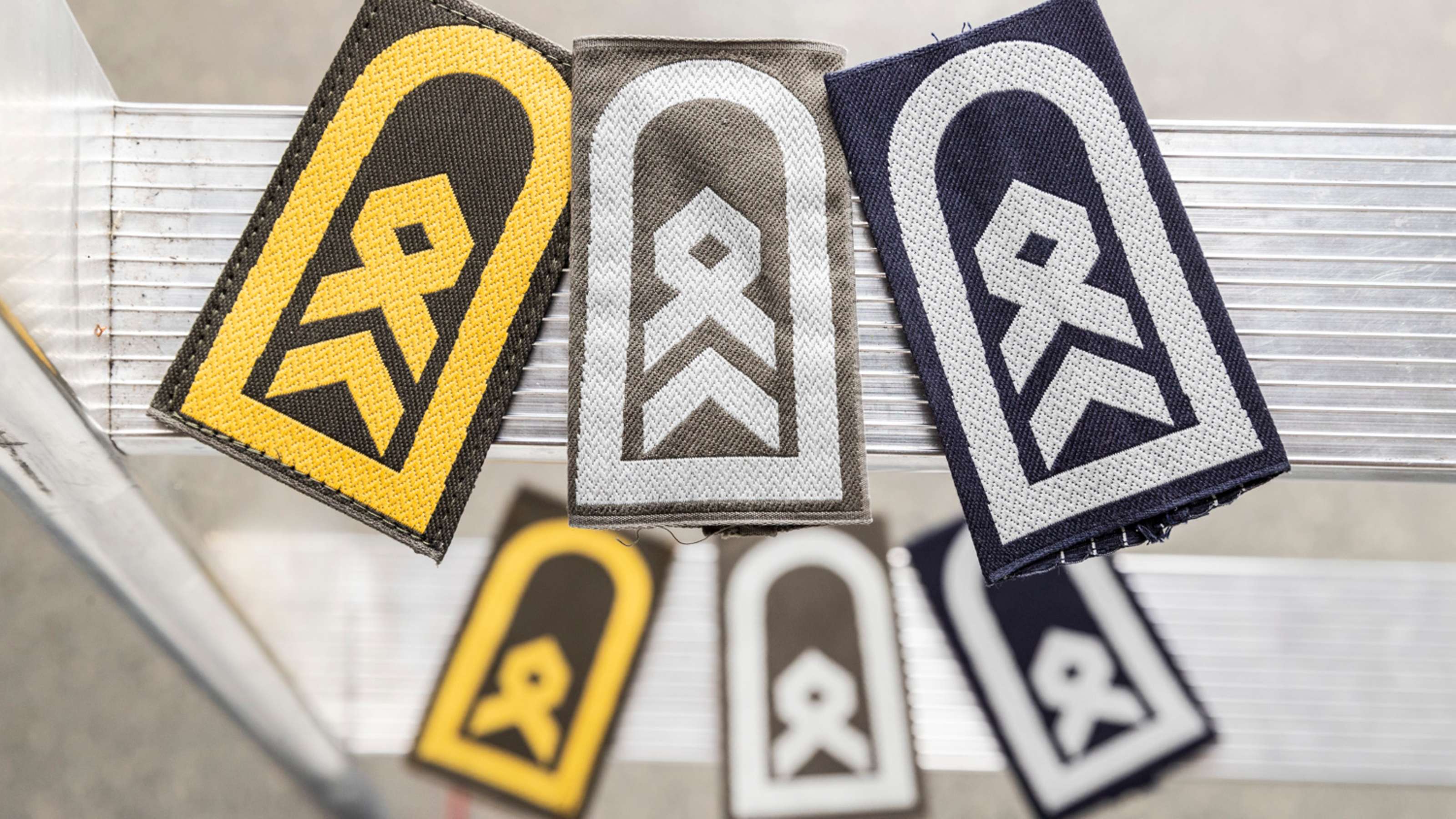
Bundeswehr Resumes Stabsfeldwebel Promotions in January 2027 With New Assignment Criteria
Bundeswehr promotions to the rank of Stabsfeldwebel and Stabsbootsmann — suspended since July 2026 — will resume in January 2027 under a reshaped career structure the Defence Ministry says is legally sound, according to PressNews.
The annual quota rises from roughly 1,700 to as many as 3,000.
The Tech TL;DR:
- Promotions to Stabsfeldwebel/Stabsbootsmann were frozen on July 1, 2026 after higher courts ruled seniority alone could not decide advancement.
- From January 2027, promotions restart under new rules, with the possible number climbing to 3,000 — an increase of more than 75 percent.
- New postings are unbundled: selection will require at least two assignments as Hauptfeldwebel, each generally three years and never fewer than two.
Courts broke the old seniority ladder
The freeze was not administrative housekeeping. According to the Bundeswehr’s own announcement, several court decisions held that the previous minimum service periods, as a precondition for promotion, were incompatible with the constitutional principle of performance. Corresponding higher-court rulings under civil-servant law were applied to soldiers and caused confusion in the ranks.
In plain terms: courts required that suitability, ability and professional performance be recognizably weighed in every promotion decision — not time served. The German armed forces responded with what it called an “Ordnungshalt,” a temporary halt to the favorable-posting decisions for both ranks, effective July 1, 2026.
What the new rules actually change
The number of service years alone will no longer be decisive, the Bundeswehr stated. Instead, individual performance and a demonstrable progression through assignments move to the center of the decision. The affected group — non-commissioned officers — gets, in the ministry’s framing, a more stringent career perspective as the backbone of the force.

Two structural changes sit underneath that. First, positions will no longer be bundled across the span from Feldwebel to Stabsfeldwebel, which is what frees up promotion capacity. Second, the ministry is introducing fixed criteria: personnel considered for promotion must regularly have held three — and no fewer than two — assignments in the Hauptfeldwebel or Hauptbootsmann rank, with each assignment generally lasting three years and never less than two.
Who negotiated the fix, and how big it gets
The redesign came out of the working group “Personalstruktur Bundeswehr 2027+”, led by the deputy to the Inspector General of the Bundeswehr, Surgeon General Nicole Schilling, and by Ministerial Director Alexander Götz, head of the personnel-growth department, according to the Bundeswehr.
The settlement also involved the inspectorates, the commander of the Bundeswehr Support Command, the commander of the Joint Medical Service, the president of the Federal Office for Bundeswehr Personnel Management (BAPersBw), and the relevant departments of the Defence Ministry.
The capacity jump is the most concrete deliverable. Using existing authorizations, possible promotions in 2027 rise from about 1,700 a year to as many as 3,000 — growth of over 75 percent, which is meant to clear the backlog built up during the freeze quickly.
Pistorius: clear, legally reliable prospects
“Feldwebel and Bootsleute are the backbone of our Bundeswehr,” said Boris Pistorius. “Especially now, as the Bundeswehr grows, their expertise and experience come into play.”
In the quoted statement, Pistorius welcomed that the promotion practice had been modernized “in a short time” and that non-commissioned officers would receive “clear and legally reliable professional prospects” from the beginning of 2026’s successor year. He also tied the change to staffing: “I am pleased that we can once again deploy high-performing Portepee non-commissioned officers to favorable positions and promote them there.”
One caveat remains open. The court rulings that triggered the halt were civil-servant-law judgments transferred to soldiers, and they created uncertainties in the force; neither source identifies the specific judgments by name or docket.
Why the timeline is tight
The sequencing is compressed and deliberate: the halt took effect on July 1, 2026; the structural changes are now settled among the ministry, the service inspectorates and the personnel agencies; and selection decisions on newly funded positions resume in January 2027. Individual, career-history-based reassignments fall to the respective military services and organizational areas to execute, the Bundeswehr stated.
The Bundeswehr, established in 1955 as a wholly new force for the defence of West Germany, deliberately broke with the traditions of the Reichswehr and the Wehrmacht, drawing its ethos instead from the military reformers of the early 19th century — Scharnhorst, Gneisenau and Clausewitz — and from the resistance against Hitler.
Its emblem is the Iron Cross, in use since 1813, and recruits make their pledge annually on 20 July, the date of the 1944 assassination attempt on Hitler. As of 31 January 2026 the force counted 186,221 active-duty personnel and 81,205 civilians, the second largest in the European Union, with a target of around 203,000 soldiers by 2031.
For the affected NCOs, the practical upshot is concrete: from January, the promotion gate reopens with roughly 1,300 more slots annually than before the freeze, and the criteria for passing through it — assignment count and duration — are now written down rather than implied by seniority. Further details are published on the Bundeswehr’s organizational pages.