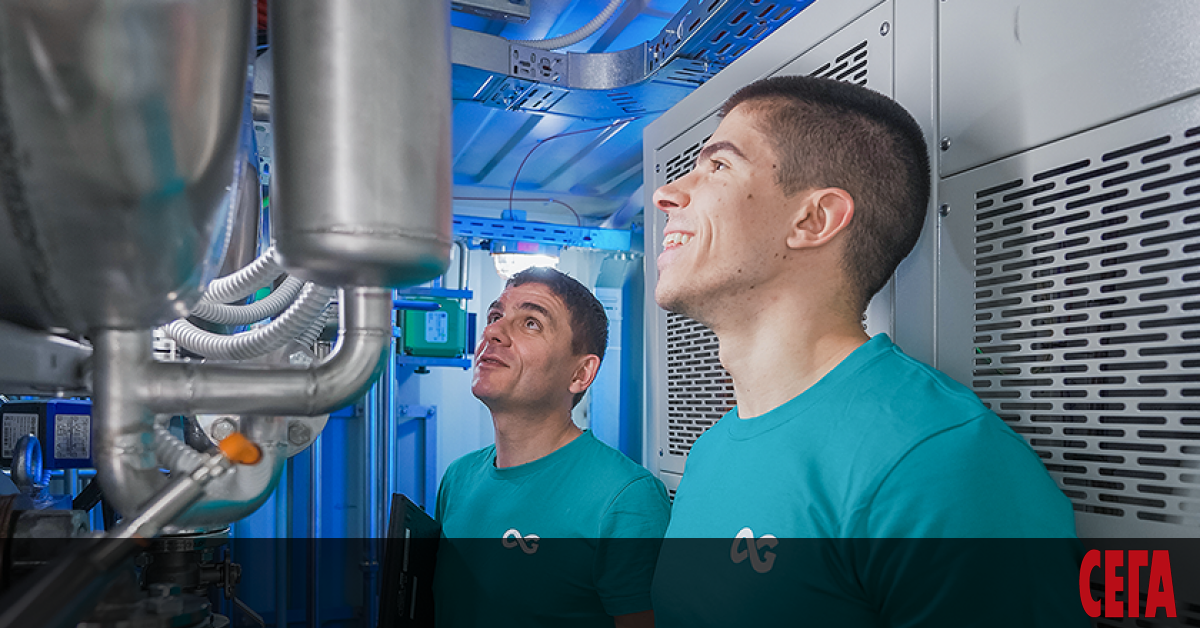
Bulgarian Hydrogenera Secures Large-Scale Hydrogen Project in Germany
Bulgarian hydrogen technology firm Hydrogenera has secured a landmark contract to deploy industrial-scale hydrogen systems in Germany. This strategic expansion marks a critical pivot toward the DACH region, leveraging proprietary electrolysis and storage tech to solve decarbonization bottlenecks for German heavy industry and energy-intensive manufacturing sectors.
The move isn’t just a win for Sofia; it is a litmus test for Eastern European green-tech scalability. For the industrial giants in Germany, the problem is a brutal intersection of skyrocketing carbon taxes and a fragile energy grid. They need immediate, scalable alternatives to natural gas, but the capital expenditure (CapEx) for hydrogen infrastructure is often prohibitive. This is where the friction lies: the gap between climate mandates and operational viability.
Bridging this gap requires more than just hardware. It demands a sophisticated layer of international corporate law firms to navigate the labyrinthine EU energy directives and German industrial regulations, ensuring that cross-border technology transfers don’t stall in regulatory purgatory.
The Hydrogen Arbitrage: Scaling Beyond the Pilot Phase
Hydrogenera is entering the German market at a moment of extreme volatility. While the hype surrounding “Green Hydrogen” has plateaued, the actual industrial demand is peaking. The European Commission’s Hydrogen Strategy emphasizes the need for “Hydrogen Valleys”—integrated clusters of production and consumption. Hydrogenera is effectively positioning itself as the primary architect for these clusters in the German mid-market (Mittelstand).
The financial implications are stark. To move from a pilot project to a full-scale industrial rollout, Hydrogenera must manage a complex balance sheet. We are looking at a transition from R&D-heavy spending to a high-growth operational model. This shift typically triggers a need for aggressive specialized project financing services to manage the long-term amortization of infrastructure assets.
The risk? Supply chain fragility. The procurement of PEM (Proton Exchange Membrane) components and specialized catalysts remains a bottleneck. If Hydrogenera cannot secure a resilient supply chain, the project’s internal rate of return (IRR) will be eroded by delivery delays and inflationary pressure on raw materials.
“The transition to a hydrogen economy is no longer a theoretical exercise in sustainability; it is a race for industrial survival. Companies that can deliver integrated, turnkey systems—rather than fragmented components—will capture the lion’s share of the European energy transition.”
— Marcus Thorne, Managing Director at Global Energy Capital
The Macro Explainer: Three Vectors of Industrial Disruption
- The Decarbonization Mandate: German industrial firms are facing escalating costs under the EU Emissions Trading System (ETS). By integrating Hydrogenera’s systems, these firms convert a liability (carbon penalties) into a competitive advantage (green certification), effectively lowering their long-term operational expenditure (OpEx).
- Energy Sovereignty: The shift away from Russian gas has left a void in the German energy mix. Hydrogen serves as a strategic hedge against geopolitical volatility. This isn’t just about “green” energy; it is about “secure” energy.
- Technological Leapfrogging: By exporting Bulgarian innovation, Hydrogenera is proving that the “periphery” of the EU can lead in high-value intellectual property. This disrupts the traditional flow of technology from West to East, creating a new corridor of innovation.
The market is currently pricing hydrogen stocks and ventures on a multiple of future capacity, not current EBITDA. For a firm like Hydrogenera, the key metric is the “Levelized Cost of Hydrogen” (LCOH). If they can drive the LCOH below the threshold of grey hydrogen (produced from natural gas), the adoption curve will move from linear to exponential.
This level of scaling creates an immediate vacuum for enterprise risk management consultants. Scaling a business across borders into the most stringent regulatory environment in the world (Germany) without a robust risk framework is a recipe for a balance sheet disaster.
Analyzing the Fiscal Trajectory and Capital Requirements
Looking toward the next four fiscal quarters, Hydrogenera will likely face a “cash crunch” typical of rapid expansion. The gap between the signing of a contract and the first milestone payment can be lethal for mid-sized firms. To sustain this momentum, the company will need to optimize its working capital management.

According to the International Energy Agency’s Global Hydrogen Review, the cost of electrolyzers has remained stubbornly high due to the scarcity of iridium and platinum. Hydrogenera’s ability to innovate around these materials—or secure long-term hedge contracts for them—will determine if their German project remains profitable or becomes a vanity project.
The project’s success hinges on “off-take agreements.” In the world of capital markets, a contract is only as good as the creditworthiness of the buyer. If Hydrogenera has secured take-or-pay contracts with Tier-1 German manufacturers, the project becomes a highly bankable asset, likely attracting interest from institutional infrastructure funds.
“We are seeing a shift where the ‘Green Premium’ is disappearing. Industrial buyers are now looking for LCOH parity. Hydrogenera’s entry into Germany suggests they believe they have hit a tipping point in efficiency that makes their tech economically viable without permanent subsidies.”
— Elena Rossi, Senior Analyst, European Green Finance Initiative
The volatility of the Euro-Leva exchange rate also introduces a layer of currency risk. While the Euro provides a stable base, the operational costs in Bulgaria versus the revenue in Germany require sophisticated currency hedging strategies to protect margins from sudden FX swings.
The trajectory is clear: Hydrogenera is no longer a local player; it is a challenger in the global energy transition. The success of this German venture will likely trigger a wave of similar expansions across the EU, as other Eastern European tech hubs realize the appetite for decarbonization tools in the West.
As these firms scale, the demand for vetted, high-tier B2B partners—from legal architects to financial strategists—will only intensify. For those looking to navigate this new industrial landscape, the World Today News Directory remains the definitive source for connecting with the firms capable of turning these macroeconomic shifts into bottom-line results.