
Bulgarian Culture Fund Scandal: EU Grants and Chaos
Who: Actor-singer Ivo Arakov and Bulgaria’s National Culture Fund. What: A controversial 400,000 Euro grant approval amidst systemic fund mismanagement. Where: Sofia, Bulgaria. Why: Political patronage under the “There Is Such a People” party administration has triggered a funding crisis, delaying payouts to legitimate artists while funneling public money into questionable private projects.
The scent of burning money is distinct and right now, it is wafting out of Sofia’s Ministry of Culture. In a move that has stunned the local arts community and drawn sharp eyes from EU auditors, semi-successful actor Ivo Arakov secured nearly 400,000 Euros in public funding for a trilogy of creative ventures. The approval comes at a time when the National Culture Fund (NCF) is paralyzed by administrative chaos, leaving established theaters and festivals begging for basic operational costs while political allies cash in on the Recovery and Resilience Plan.
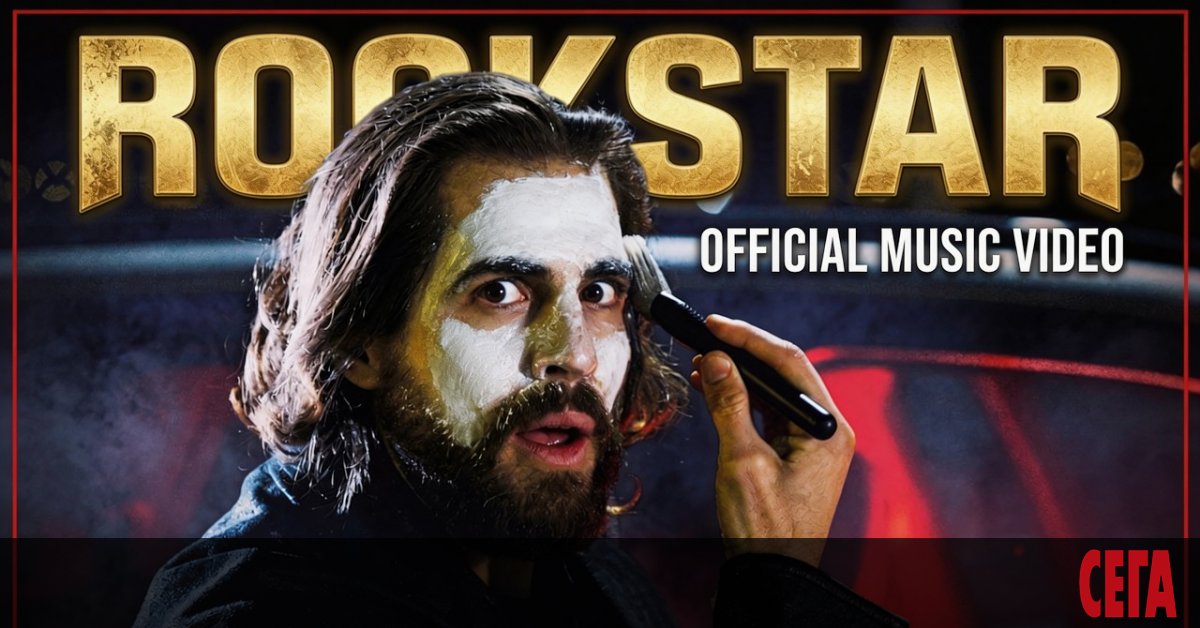
This isn’t just a story about a bad song; it is a case study in how brand equity can be destroyed by poor stakeholder management. Arakov’s windfall includes 70,000 Euros for his single “Rockstar”—a track critics suggest is best experienced with the volume muted—alongside subsidies for a European tavern tour and a film titled “Isolation.” While Arakov may have the paperwork in order, the optics are disastrous. In the court of public opinion, reputation risk is already mounting. When a government body appears to prioritize celebrity vanity projects over institutional survival, the entire cultural ecosystem suffers a credibility deficit.
The Bureaucratic Black Hole
The Arakov scandal is merely the tip of an iceberg floating in a sea of unspent EU millions. The specific programs Arakov tapped into—”Bulgarian Productions in the Cultural and Creative Industries Sector”—were designed to inject capital into the market. Yet, data from the fund reveals a grim reality: only 9% and 12% of allocated funds have actually been disbursed. The rest is trapped in a logistical nightmare.
Artists who played by the rules are facing financial ruin. Director Martin Genovski, for instance, submitted interim reports in November 2025 and has received zero leva to date. The fund’s own protocols mandate a 30-day review window, yet silence has been the only response. This creates a liquidity crisis for independent producers who fronted production costs expecting reimbursement. It is a classic cash flow failure that threatens to bankrupt the highly sector the funds were meant to sustain.
“When public funding mechanisms lack transparency and timely execution, they cease to be support systems and turn into active liabilities. We are seeing a complete breakdown in fiduciary duty to the artistic community.”
The administrative rot runs deep. Naiden Todorov, the interim Minister of Culture, admitted on national television that the Fund has transformed from a support instrument into a primary source of scandal. His predecessor, Marian Bachev—a comedian turned politician—oversaw a tenure marked by high turnover and low output, including the resignation of a fund director who cited an inability to perform his duties after just three months.
Political Patronage and the “Chalga” Connection
At the heart of this dysfunction lies the influence of “There Is Such a People” (ITN), the political party led by media mogul Slavi Trifonov. Critics argue the Ministry has been run as a extension of Trifonov’s media empire, prioritizing projects that align with the party’s populist branding over artistic merit. The appointment of fund directors with ties to the party, such as Krasimir Dimitrov and Sofia Shtereva, suggests a conflict of interest that borders on embezzlement.
This politicization of culture creates a hazardous environment for intellectual property and creative rights. When funding decisions are driven by political loyalty rather than peer review, the market value of genuine art is distorted. For investors and international co-producers, this signals a high-risk jurisdiction. Protecting assets in such an environment requires robust entertainment legal counsel capable of navigating corrupt bureaucracies and enforcing contract law against state entities.
The Absurdity of Allocation
The mismanagement extends beyond Arakov. The outgoing government ratified a 2026 National Cultural Calendar that defies economic logic. The “Goose Liver Festival” in Rakovski received 167,000 Leva—more than the Opera Open in Plovdiv. The “Stork Festival” in Belozem was granted 250,000 Leva, matching the budget of the prestigious “Varna Summer” international festival. Meanwhile, a monument to legendary bass Nikola Gyuzelev received only half its requested funding.
This skewed allocation highlights a failure in strategic planning. Cultural policy should drive tourism and soft power, not subsidize local gastronomy at the expense of high art. The disparity suggests that lobbying efforts outweighed curatorial vision. For legitimate festival organizers facing these inequities, the solution often lies in hiring specialized crisis communication firms to publicly audit funding decisions and pressure ministries for accountability.
Restoring Order to the Chaos
As the August 2026 deadline for the Recovery Plan approaches, the pressure is mounting. The Fund is operating in the dark, with board members claiming they lack access to basic budget contracts. A financial expert was even found on the payroll, working one hour a day for a salary of 10,000 Leva. This level of operational inefficiency is unsustainable.
To salvage the remaining funds and restore trust, the Ministry needs more than a fresh director; it needs a complete operational overhaul. This involves rigorous compliance auditing and the deployment of professional event management and logistics experts to ensure that funded projects like Arakov’s tour actually deliver on their promised ROI and audience engagement metrics. Without professional oversight, these grants remain nothing more than political slush funds.
The Arakov affair is a warning shot. It demonstrates what happens when creative industries are managed by amateurs with political agendas. The 400,000 Euros might be spent, but the cost to Bulgaria’s cultural reputation is incalculable. For the industry to survive, it must demand professional standards, transparent financial reporting, and a return to merit-based grantmaking. Anything less is just noise.