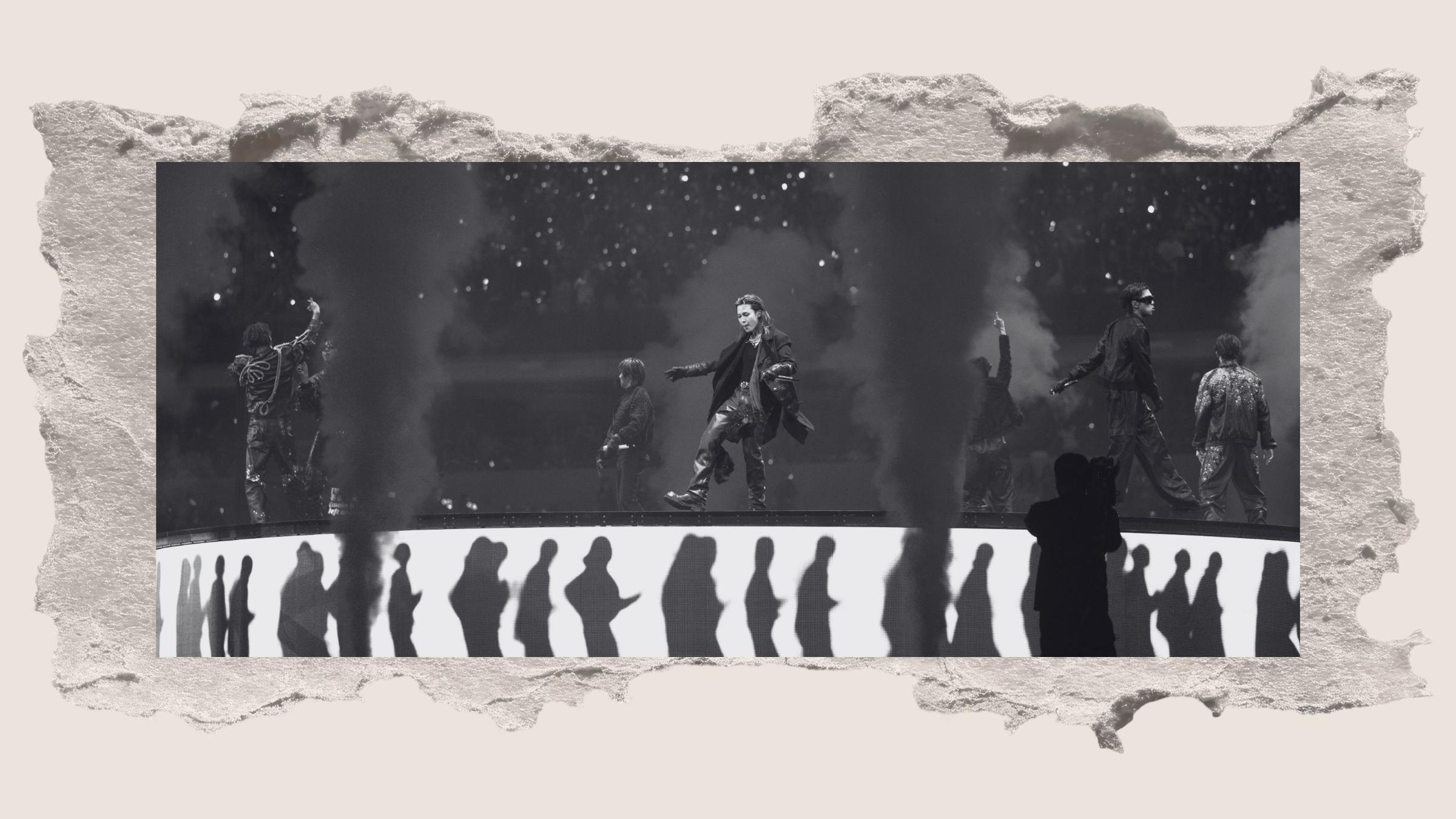
BTS Boycotts New Grammy Asian Pop Category Over Genre Segregation
In early summer, the Recording Academy announced a new category for the 2027 Grammy Awards: Best Asian Pop Music Performance. In response, the world’s biggest boy band, BTS, announced they would not submit their music for Grammy consideration, igniting a global debate over genre segregation, industry recognition, and the historical hierarchy of Western popular music.
The Recording Academy’s New Category and the BTS Boycott
The announcement of the Best Asian Pop Music Performance category for the 2027 Grammy Awards was intended to highlight regional artistry. Recording Academy CEO Harvey Mason Jr. stated that the category was created to celebrate the depth, diversity, and extraordinary growth of pop artistry coming out of Asia, while clarifying that submitting music in a genre category would not exclude an artist from also being considered for the prestigious General Fields awards like Record of the Year, Album of the Year, and Song of the Year. Despite this reassurance, the move drew swift pushback. K-pop fans worldwide expressed concern that the new category would sideline Asian artists into a separate classification rather than integrating them fully into mainstream American recognition, prompting BTS to withhold their submissions.
Historical Roots of the Western-Korean Music Hierarchy
This modern awards-season friction reflects a long-standing cultural hierarchy between Western and Korean popular music. As noted in historical accounts of the industry, South Korea’s commercial recording industry took shape in the early 20th century under Japanese and American influence. Following the Korean War in the 1950s, the Eighth U.S. Army shows became a vital site for local entertainment development, employing Korean performers to play American popular music for U.S. soldiers. For decades, imported albums, the American Forces Korea Network (AFKN), and MTV served as primary conduits for U.S. musical trends. Well into the 2000s, listening to Western pop carried a distinct cultural prestige in South Korea, where critics and radio DJs often framed Western music as more intellectual, authentic, and meaningful than domestic gayo.
The Evolution of the K-Pop Universe
That dynamic shifted as K-pop began claiming international recognition on its own terms. Ethnomusicological research into K-pop fandom reveals that listeners frequently contrast contemporary American pop—which some fans describe as repetitive or overly focused on themes of sex, drugs, and parties—with K-pop’s emphasis on dreams, fantasies, and self-growth. This immersive appeal was systematically advanced in 2012 when SM Entertainment debuted EXO as extraterrestrial beings from EXO Planet, each equipped with supernatural powers. Since then, world-building has fused music, dance, fashion, visual design, and digital media, transforming K-pop into an audiovisual and participatory cultural form that continues to challenge how Western institutions categorize global pop artistry.
Disclaimer: The views and cultural analyses presented in this article are for informational and entertainment purposes only. Information regarding legal disputes or financial data is based on available public records.