
Understanding Bruxism: Causes, Symptoms, and Treatments
According to assoc. Dr. Rana Turunç, bruxism – the involuntary grinding or clenching of teeth – can affect individuals of all ages. Research indicates a prevalence ranging from 10-50% in children, frequently enough resolving with growth, and 5-90% in adults.
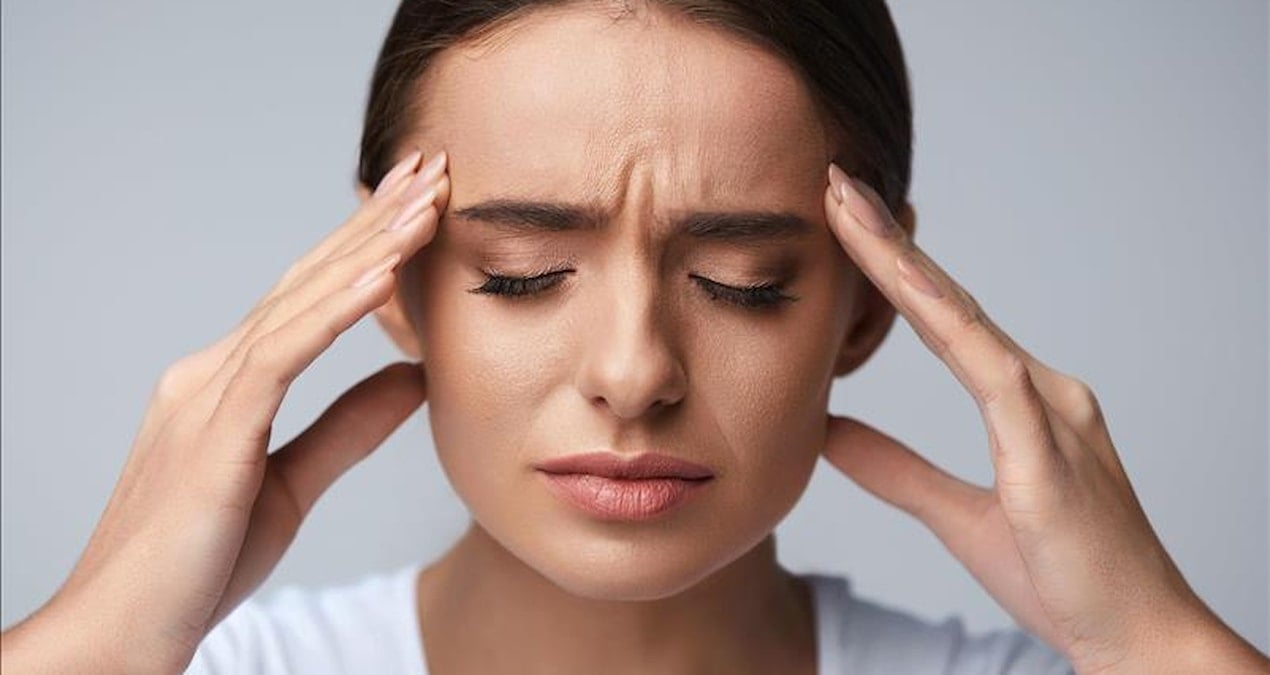
Common symptoms reported by patients include morning jaw pain, headaches, and tension in the neck and facial muscles. Prolonged bruxism can lead to more significant issues, such as enlargement of the chewing muscles, alterations in facial appearance or asymmetry, and dental problems like wear, cracks, sensitivity, and even fractures of fillings or teeth.A decline in overall dental health is also a concern.
Diagnosis typically begins with a clinical examination, considering the patientS reported symptoms and medical history. A partner’s observation of grinding during sleep can be a valuable indicator. Though, Assoc. Dr. Turunç notes that the most definitive diagnosis relies on specialized tests: polysomnography (a sleep study) and electromyography (EMG), which measure chewing muscle activity during sleep and quantify the frequency of tooth grinding or clenching – assessments performed by specialists in dedicated centers.
Treatment isn’t always necessary, but is recommended for severe cases causing tooth abrasion, jaw joint issues, or chewing muscle discomfort. Treatment plans are individualized. for stress-related bruxism, Assoc. Dr. Turunç suggests psychological support,relaxation techniques,and lifestyle adjustments. Addressing underlying sleep disorders can also be beneficial.Medication adjustments, muscle relaxants, psychiatric or neurological interventions, or even Botox (botulinum toxin) injections may be considered for pain relief or aesthetic concerns. Protecting the teeth is paramount, and dental treatments like fillings might potentially be necessary.
A key treatment option is the use of a splint – frequently enough referred to as a “night guard.” Assoc. Dr.Turunç explains that a splint is a custom-fitted, transparent appliance designed to prevent tooth-to-tooth contact, relax jaw muscles, and reduce stress on the jaw joint. She strongly recommends personalized splints created by a dentist in a laboratory, rather than standard, over-the-counter options.
