
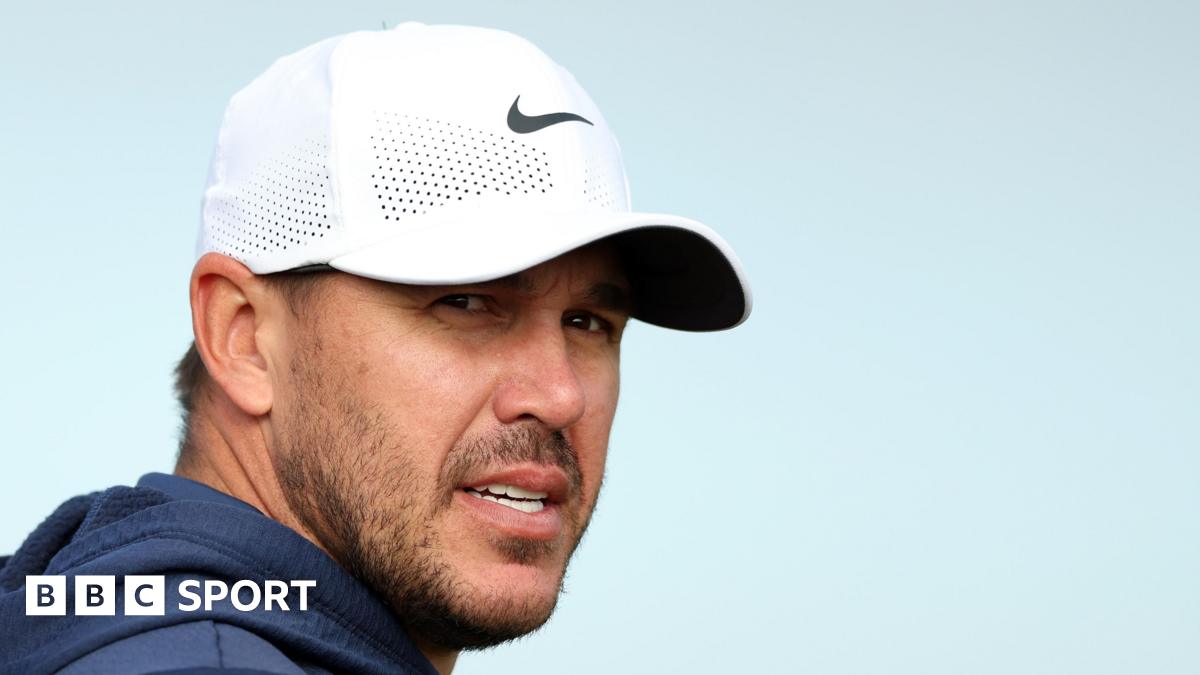
Brooks Koepka Returns to teh PGA Tour: A Landmark Deal and What It Means for Golf
In a stunning turn of events, five-time major champion Brooks Koepka is set to rejoin the PGA tour at the end of January, marking a significant moment in the ongoing saga between the Tour and LIV Golf. Koepka’s return, facilitated by a new returning member program, signals a potential shift in the landscape of professional golf and raises questions about the future of player movement [1]. The deal, however, comes with a hefty price tag for the star player, including financial penalties and a forfeiture of certain benefits.
From PGA Tour Star to LIV Defector
Koepka’s decision to initially join LIV Golf in 2022 sent shockwaves through the golfing world. The American,a proven major championship winner,was among the first high-profile players to publicly align himself with the Saudi-backed series,motivated by the considerable financial incentives offered. during his time with LIV, Koepka secured five victories across four seasons, establishing himself as a key figure in the breakaway league. However, in december 2025, Koepka announced his departure from LIV Golf, despite reportedly having a year remaining on his contract .
The Terms of the Return: A Costly Reintegration
While the PGA Tour traditionally imposed strict limitations on players who defected to LIV Golf, preventing their return for at least a year, a special program was created to accommodate Koepka’s specific situation.The agreement allows Koepka to tee it up at the Farmers Insurance Open at Torrey Pines (January 29 – February 1) far sooner than anticipated [2].However,this expedited homecoming isn’t without significant consequences.
Financial Penalties and lost Opportunities
Koepka has agreed to forego all payments from the FedExCup Bonus scheme during the 2026 season. More considerably, he will be ineligible for the tour’s player equity program between 2026 and 2030—a potential loss estimated to be between $50 and $85 million. In addition, Koepka has committed to a $5 million charitable contribution. These substantial financial concessions underscore the seriousness with which the PGA Tour views player loyalty and the importance of maintaining competitive integrity. The overall penalty is expected to be one of the largest in sports history .
Why the PGA Tour changed Course
The PGA tour’s willingness to negotiate a return for Koepka represents a strategic shift in approach.initially staunchly opposed to allowing LIV defectors back into the fold,the Tour appears to be prioritizing the presence of top-tier talent to enhance the fan experience and strengthen the overall product.PGA Tour CEO Brian Rolapp emphasized this point in a letter to fans, stating that the program was launched in “response to a unique set of circumstances” and a commitment to ensuring the world’s best golfers compete on the PGA Tour regularly [2].
The eligibility requirements for this special program are strict. Players must have been away from the PGA Tour for at least two years and have won either The Players Championship or a major championship within the previous four seasons. This criteria effectively limits the program’s scope, ensuring it’s reserved for players of significant caliber.
Koepka’s Commitment and Future Plans
Koepka’s enthusiasm for his return is palpable. “When I was a child, I always dreamed about competing on the PGA Tour, and I am just as excited today to announce that I am returning,” he stated. He has already committed to compete in both the Farmers Insurance Open and the Phoenix Open (February 5-8), signaling his intention to immediately re-establish himself as a contender. Returning PGA Tour members are expected to participate in a minimum of 15 co-sponsored and approved tournaments throughout 2026, demonstrating a commitment to regular competition.
What This Means for the Future of Golf
Brooks Koepka’s return to the PGA Tour is more than just the homecoming of a star player; it’s a potential bellwether for the future of professional golf. The landmark agreement underscores the evolving dynamics between the PGA Tour,LIV Golf,and the players themselves. While the PGA Tour has clearly demonstrated a willingness to welcome back top talent under specific terms, the financial penalties imposed suggest a clear message regarding player loyalty and the value of adhering to Tour principles.
The golfing world will be watching closely to see if other LIV players follow suit, and whether this marks the beginning of a broader reconciliation between the competing tours. For now,the focus remains on koepka’s performance and his ability to recapture his winning form on the PGA Tour stage.
