
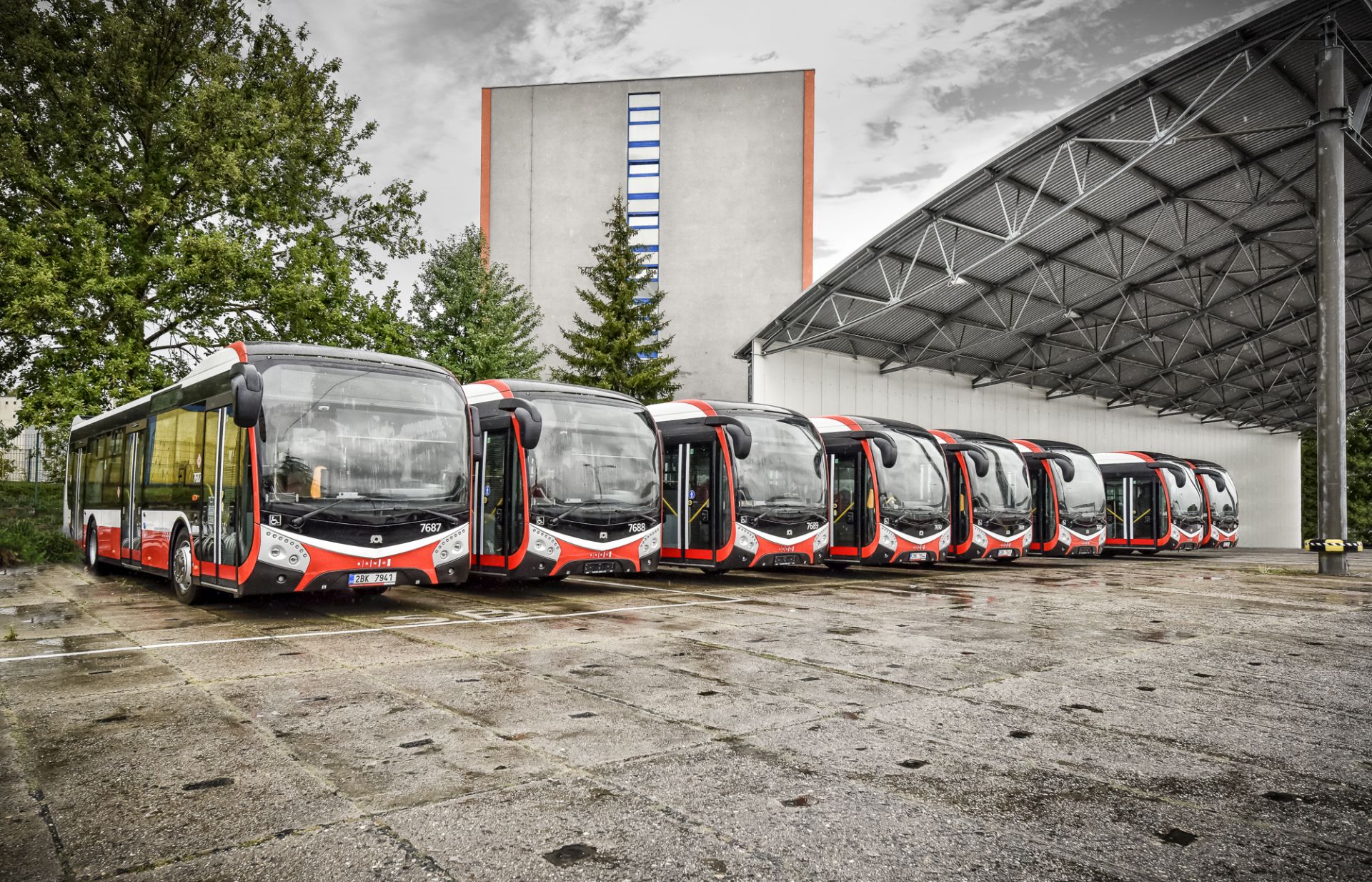
Brno Transport Company Awaits Final Batch of 37 Diesel Buses
Brno’s public transport operator, Dopravní podnik města Brna (DPMB), is currently accepting the final delivery of 37 diesel-powered buses, marking the conclusion of its fossil-fuel fleet expansion. Under current European Union environmental regulations and local procurement policies, the municipal transit agency is no longer permitted to purchase new diesel vehicles for its urban network.
The Final Diesel Procurement
The 37 buses currently arriving in Brno represent the tail end of a procurement contract that was finalized before more stringent emissions requirements took full effect. According to reports from the industry outlet Zdopravy.cz, these vehicles are intended to replace older, high-emission units that have reached the end of their operational lifespan. Once this batch is integrated into the fleet, DPMB will shift its purchasing strategy entirely toward low-emission and zero-emission alternatives, including electric buses and vehicles powered by compressed natural gas (CNG).
Regulatory Pressures on Fleet Modernization
The transition away from diesel is driven by the European Union’s Clean Vehicles Directive. This mandate requires member states to ensure that a significant percentage of public procurement for road transport vehicles consists of “clean” vehicles. For the Czech Republic, this means transit operators must prioritize electric, hydrogen, or advanced gas-powered propulsion systems to meet binding carbon reduction targets.
While DPMB has already invested heavily in CNG infrastructure—which serves as a transitional bridge in the city’s environmental strategy—the agency is now facing the practical limitations of that technology under new EU definitions. Recent regulatory updates have narrowed the criteria for what qualifies as a “clean” vehicle, effectively disqualifying standard diesel engines from future tender processes.
Operational Consequences for DPMB
The move to zero-emission technology introduces new challenges for the transit authority, specifically regarding charging infrastructure and grid capacity. Unlike diesel fueling, which is relatively fast and requires minimal site adaptation, electric bus deployment necessitates the installation of high-capacity charging stations at depots and, in some cases, at terminal stops.
DPMB officials have previously indicated that the speed of the transition will be tethered to the availability of funding for this secondary infrastructure. While the agency has successfully operated a mix of trolleybuses and CNG buses for years, the full-scale electrification of the remaining bus routes requires significant capital investment that extends beyond the cost of the vehicle units themselves.
As the current contract for the 37 diesel buses concludes, the operator is now finalizing the technical specifications for its next procurement cycle. The agency has not yet announced the specific timeline for its next major tender, leaving the immediate future of its fleet composition to be determined by upcoming budget approvals and the availability of European subsidy programs.