
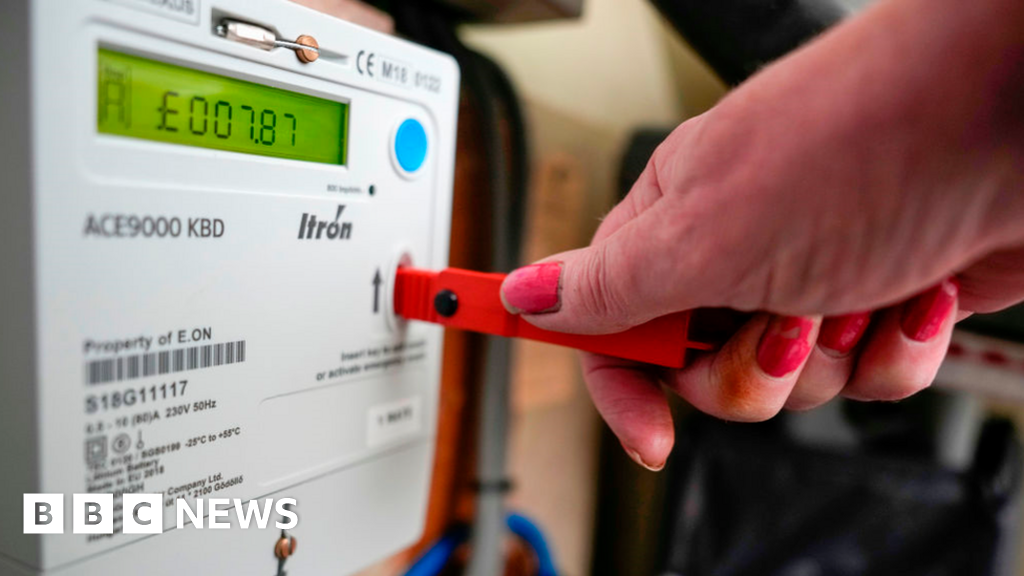
British Gas Pays £20m to Settle Probe Into Force-Fitting of Prepayment Meters
British Gas has agreed to pay £20 million into a redress fund to settle an Ofgem investigation into the forced installation of prepayment meters. The settlement includes writing off up to £70 million in energy debt for vulnerable customers following systemic failures in the company’s debt collection practices between 2018 and 2023.
This represents more than a regulatory slap on the wrist; It’s a textbook case of operational negligence manifesting as a massive liability. When a utility giant allows debt recovery agents to bypass legal boundaries to install hardware, the fiscal problem shifts from a manageable credit risk to a catastrophic regulatory and reputational crisis. For the C-suite, the fallout is a stark reminder that third-party vendor failures are, in the eyes of the regulator, first-party failures.
Companies operating at this scale, where thousands of field agents act as the face of the brand, often find themselves blindsided by “boots on the ground” misconduct. To mitigate this, firms are increasingly pivoting toward specialized regulatory compliance auditing to ensure that outsourced operations do not create existential legal threats.
The Cost of Operational Silence
The timeline of this failure is where the real financial negligence lies. British Gas was first alerted to the issue of forced prepayment meter (PPM) installations in 2018 via an external review. An internal audit flagged the problem again in 2021. Yet, the practice was not suspended until 2023.
That five-year gap represents a failure of internal governance. In the world of high-stakes corporate finance, the distance between “awareness” and “action” is where the most expensive penalties are born. By ignoring internal warnings, the company didn’t just risk customer goodwill; it invited the scrutiny of Ofgem, which eventually concluded that the firm breached license conditions specifically designed to protect customers in vulnerable situations.
The financial architecture of the settlement is designed to bleed the company’s margins while providing immediate relief to the consumer base. The £20 million payment into the Voluntary Redress Fund is a direct hit to the bottom line, but the £70 million debt write-off is the more significant operational concession. Writing off debt on this scale effectively wipes out potential revenue streams to satisfy a regulatory mandate.
“The company fell short in its treatment of an unacceptable number of vulnerable customers who had a PPM installed without consent.” — Tim Jarvis, Ofgem
The human cost of this operational failure was laid bare by reports of agents working for Arvato Financial Solutions. In one instance, agents utilized a locksmith to force entry into the home of a single father of three to install a meter. This level of aggression in debt collection isn’t just a PR nightmare; it’s a systemic failure of vendor oversight.
When a primary contractor fails to police its subcontractors, the resulting litigation requires the intervention of top-tier corporate law firms capable of negotiating settlement frameworks that prevent full license revocation.
Quantifying the Brand Erosion
The prepayment meter scandal wasn’t an isolated incident of incompetence. It was an industry-wide contagion. Between 2022 and 2023, approximately 40,000 customers across various suppliers—including EDF, E.On, and Scottish Power—had meters installed without permission. However, the duration of British Gas’s inaction makes its settlement particularly poignant.
From a market perspective, the “reputational haircut” taken by British Gas will linger long after the £20 million is paid. In an era where ESG (Environmental, Social, and Governance) metrics dictate institutional investment flows, a documented history of “unfair treatment” of vulnerable populations can lead to a higher cost of capital. Analysts now have to factor in “regulatory volatility” whenever the company announces new debt recovery strategies.

To stabilize the ship, British Gas is implementing several remedial measures:
- Direct Compensation: Payments to affected customers from the 2018-2021 period, supplementing previous payments made for 2022-2023.
- Support Packages: The continuation of a £22.4 million voluntary support package launched in 2023 for PPM customers.
- Governance Overhaul: The creation of a new Vulnerable Customers Debt Advisory Panel to inform future treatment of customers in debt.
These aren’t just altruistic gestures. They are calculated attempts to signal to the market that the company is shifting from a “recovery-at-all-costs” model to a sustainable, compliant framework.
The Vendor Risk Vacuum
The reliance on Arvato Financial Solutions highlights a critical vulnerability in the B2B supply chain: the agency problem. When a corporation outsources its “dirty work”—debt collection—it often creates a vacuum of accountability. The agents are incentivized by installation quotas, not by the company’s long-term brand equity or legal compliance.
This creates a desperate need for enterprise vendor risk management services that can provide real-time oversight of third-party field operations. If British Gas had a robust, transparent audit trail for every locksmith call and every forced entry in 2018, the 2026 settlement would never have happened.
The financial impact of this settlement is manageable for a company of British Gas’s size, but the precedent is dangerous. Ofgem has signaled that it will no longer tolerate “awareness without action.” The regulator is moving toward a regime where internal audits that are ignored will be treated as evidence of willful negligence rather than mere oversight.
As the energy sector continues to grapple with volatility and consumer debt, the ability to balance revenue recovery with ethical compliance will be the primary differentiator between market leaders and those perpetually fighting regulatory fires. The industry is moving toward a model where empathy is a risk-mitigation strategy.
Investors should keep a close eye on the upcoming fiscal quarters to see if the “Vulnerable Customers Debt Advisory Panel” results in actual operational shifts or if it is merely a cosmetic addition to the corporate charter. For firms looking to avoid similar pitfalls, finding vetted partners in compliance and crisis management is no longer optional—it is a prerequisite for survival. You can explore the full spectrum of these essential partners through the World Today News Directory.