
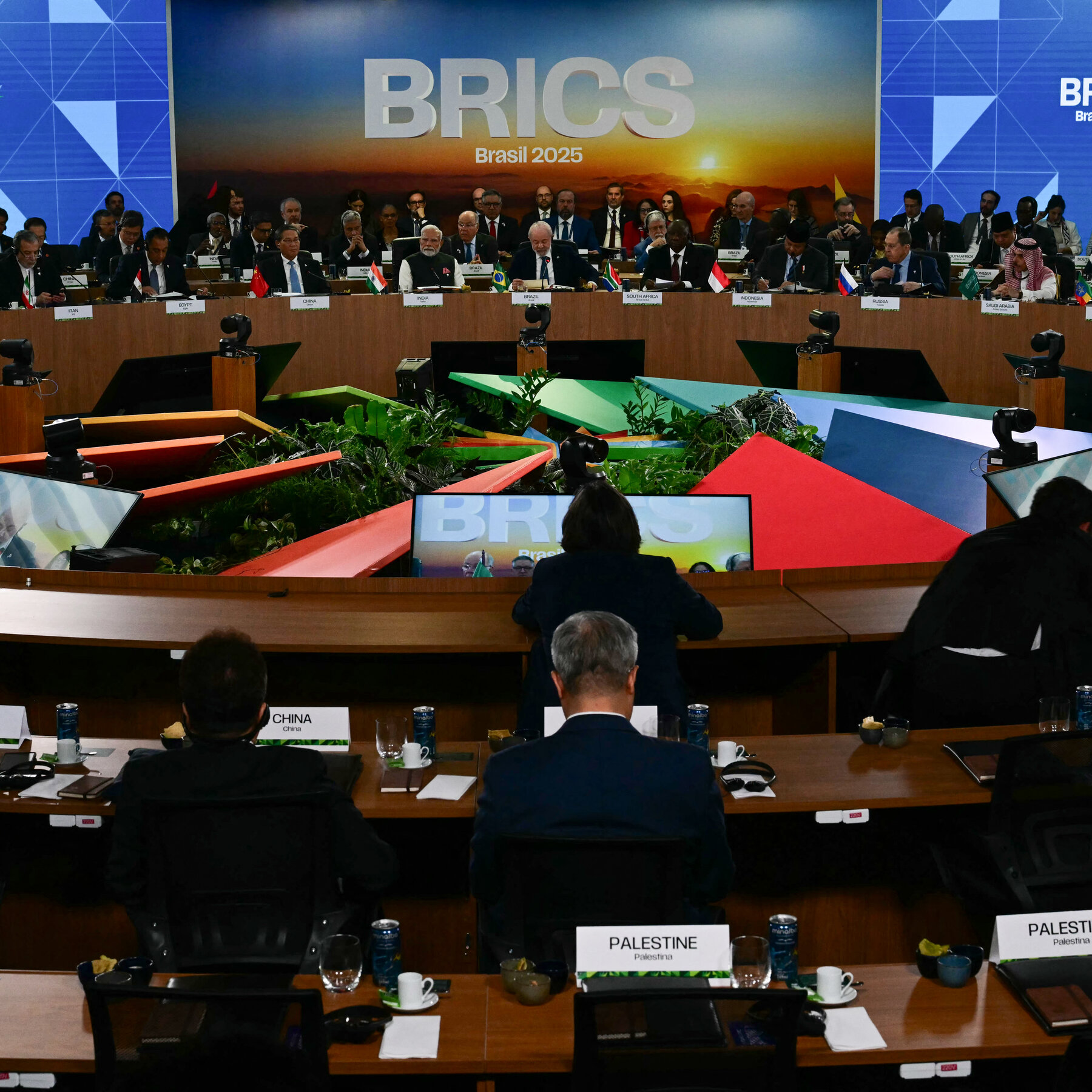
BRICS Financial System: Reducing Dependence on the US Dollar
BRICS nations are actively constructing an alternative financial infrastructure to reduce reliance on the U.S. Dollar. This shift impacts global trade settlements, currency stability, and investment strategies across emerging markets. Investors and businesses must prepare for a multipolar economic landscape by diversifying assets and securing expert legal counsel.
The date is December 10, 2025. The headlines are no longer speculative. BRICS Pay is operational. Settlement mechanisms are testing real volume. For decades, the global economy ran on a single operating system: the U.S. Dollar. Now, a parallel network is coming online. This is not merely a geopolitical maneuver. It is a fundamental restructuring of how value moves across borders.
For business owners in São Paulo, Mumbai, or Johannesburg, this transition introduces immediate friction. Contracts written in dollars yesterday carry different risks today. Supply chains dependent on Western banking corridors face potential bottlenecks. The problem is clear: volatility. The solution requires proactive adaptation.
The Mechanics of De-Dollarization
Understanding the shift requires looking beyond the rhetoric. The core objective is sovereignty. When a nation settles trade in its own currency, it bypasses the Federal Reserve’s monetary policy influence. It avoids the weaponization of sanctions. It reduces transaction costs associated with double currency conversion.
Consider the technical architecture. BRICS Pay functions as a messaging system similar to SWIFT but operates outside U.S. Jurisdiction. It allows a Brazilian exporter to receive payment in reais from a Chinese importer without converting to dollars first. This eliminates the spread fees banks traditionally charge for currency exchange.
However, implementation is messy. Legacy systems dominate. Most global reserves remain dollar-denominated. Transitioning requires massive liquidity pools. It demands trust in new currencies that lack the historical stability of the greenback.
Regional economic zones experience this pressure most acutely. In Southeast Asia, trade ministries are rewriting import regulations to accommodate multi-currency settlements. Municipal bonds in emerging markets are increasingly issued in local currencies to attract domestic capital rather than foreign debt.
“We are witnessing the end of a monoculture in finance. Diversification is no longer an investment strategy; it is a survival mechanism for national economies.”
This sentiment echoes from senior trade analysts at the African Centre for Monetary Integration. They argue that while the dollar will not vanish, its monopoly is breaking. For corporations, So hedging strategies must evolve. Relying solely on dollar-based assets exposes portfolios to unilateral policy shifts in Washington.
Impact on Global Commerce and Local Infrastructure
The ripple effects reach local Main Streets. Importers facing currency fluctuations need robust financial planning. A sudden shift in exchange rates can wipe out margins on goods shipped from Shanghai to Cape Town. Businesses must lock in rates or utilize forward contracts.
Legal frameworks are struggling to keep pace. Cross-border contracts now require clauses addressing non-dollar settlement disputes. Which court has jurisdiction if a transaction fails on the BRICS network? Which law applies? These are not theoretical questions. They are active litigation risks.
Companies navigating these complexities are turning to specialized international trade attorneys. Standard corporate counsel often lacks the niche expertise required for multi-jurisdictional currency disputes. The cost of error is too high.
infrastructure projects funded through BRICS development banks come with stipulations. Local contractors must comply with new reporting standards. They must audit supply chains for compliance with member-state regulations rather than Western ESG standards alone.
Comparative Risk Analysis: USD vs. BRICS Basket
Investors need a clear view of the landscape. The following table outlines the primary risk factors associated with each system as of late 2025.
| Factor | USD-Dominant System | BRICS Alternative System |
|---|---|---|
| Liquidity | High; deep markets globally | Medium; growing but fragmented |
| Sanction Risk | High for non-aligned nations | Low for member states |
| Volatility | Low; stable reserve currency | High; dependent on member economies |
| Transaction Speed | Fast via established networks | Variable; depends on local banking tech |
The data suggests a hybrid approach is prudent. Abandoning the dollar entirely is reckless. Ignoring the BRICS alternative is negligent.
Strategic Adaptation for Businesses
What should a CEO do tomorrow? First, audit currency exposure. Identify how much revenue ties directly to dollar fluctuations. Second, diversify banking relationships. Maintain accounts in multiple jurisdictions to ensure access to different payment rails.
Financial advisors are seeing a surge in demand for multi-currency portfolio management. Clients want exposure to emerging market bonds without taking on unchecked sovereign risk. This requires nuanced analysis of debt-to-GDP ratios in member nations.
Securing vetted certified financial planners with emerging market expertise is critical. Generalists may overlook the specific regulatory hurdles involved in holding assets denominated in yuan or rupees.
supply chain managers must renegotiate terms. If a supplier demands payment in a local BRICS currency, the buyer assumes the exchange risk. Contracts must specify who bears the cost of conversion. This is where currency risk management firms add tangible value. They provide the instruments to lock in costs regardless of market swings.
The Long-Term Horizon
This transition will not happen overnight. The dollar’s inertia is powerful. Network effects keep traders using familiar systems. But the trajectory is set. As more nations join the bloc, the liquidity pool deepens. The alternative becomes viable for everyday commerce, not just state-level deals.
Geopolitical tensions accelerate this timeline. Every new sanction drives another nation toward the alternative system. It is a self-reinforcing cycle. The more the dollar is weaponized, the less attractive it becomes as a neutral medium of exchange.
For the global economy, this means fragmentation. We are moving toward regional blocs with distinct financial standards. Trade within blocs will flourish. Trade between blocs may face higher friction costs.
Monitor the policy announcements from central banks in Beijing and New Delhi. Watch for changes in reserve allocation reports from the International Monetary Fund. These are the leading indicators.
Stay ahead of the curve. The financial landscape is shifting beneath our feet. Those who prepare now will navigate the turbulence. Those who wait will react to crises. Consult the World Today News Directory to find verified professionals equipped to handle this developing story. Your economic sovereignty depends on informed action.