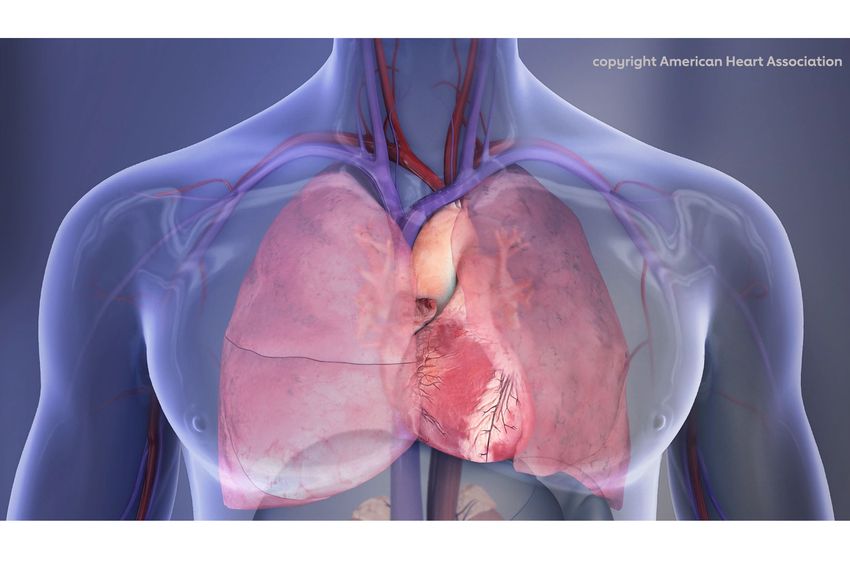
Breast Cancer and Irregular Heartbeat: Common Risk Factors and Rates
Breast cancer and irregular heartbeats, specifically atrial fibrillation (AFib), share overlapping risk factors including obesity, hypertension, and advanced age, according to the American Heart Association (AHA). Clinical data indicates that the relationship is bidirectional: certain breast cancer therapies increase the risk of cardiac arrhythmias, while pre-existing cardiovascular dysfunction can complicate oncology treatment pathways.
- Shared Pathogenesis: Metabolic syndrome and chronic inflammation serve as primary drivers for both malignancy and cardiac electrical instability.
- Treatment Toxicity: Specific chemotherapeutic agents and targeted therapies can induce cardiotoxicity, manifesting as arrhythmias.
- Patient Stratification: High-risk breast cancer patients require integrated screening for cardiovascular comorbidities to reduce morbidity.
The intersection of oncology and cardiology, known as cardio-oncology, addresses a critical clinical gap where the treatment for one life-threatening condition may exacerbate another. For patients undergoing aggressive breast cancer protocols, the risk of developing an irregular heartbeat is not merely incidental. According to research archived by the American Heart Association, the systemic inflammatory response associated with both cancer and cardiovascular disease creates a fertile environment for atrial remodeling, which triggers AFib.
This clinical overlap necessitates a multidisciplinary approach. Patients experiencing palpitations or shortness of breath during chemotherapy should not dismiss these as general fatigue. It is highly recommended to consult with [Board-Certified Cardio-Oncologists] to establish a baseline cardiac function and monitor for treatment-induced arrhythmias.
The Biological Link Between Metabolic Syndrome and Arrhythmia
Epidemiological data from the PubMed database suggests that obesity and type 2 diabetes are potent catalysts for both breast cancer and atrial fibrillation. The mechanism involves the secretion of pro-inflammatory cytokines and adipokines from adipose tissue, which promote cellular proliferation in breast tissue and induce structural remodeling in the left atrium of the heart. This remodeling leads to electrical instability and the onset of irregular heartbeats.

A significant portion of this research is funded by the National Institutes of Health (NIH) and various university-led grants aimed at understanding the “obesity-inflammation-cancer” axis. When the heart’s atrium undergoes fibrosis—the thickening of connective tissue—the electrical impulses that regulate the heartbeat are disrupted. This process mirrors the systemic inflammation seen in the pathogenesis of various malignancies.
Because these risks are intertwined, diagnostic precision is paramount. Patients with a history of hypertension or metabolic disorders are advised to seek comprehensive screenings at [Accredited Diagnostic Imaging Centers] to assess both cardiac morphology and oncological markers simultaneously.
Cardiotoxicity and the Impact of Breast Cancer Therapeutics
The standard of care for breast cancer often involves agents that, while effective at eradicating malignant cells, can be detrimental to cardiac myocytes. According to clinical guidelines published in JAMA, certain anthracyclines and HER2-targeted therapies (such as trastuzumab) are associated with a risk of decreased left ventricular ejection fraction and the potential for triggered arrhythmias.

The risk is not uniform across all demographics. Post-menopausal women, who may already have a higher baseline risk for atrial fibrillation due to the loss of estrogen’s protective effects on the vasculature, are particularly susceptible. This creates a complex clinical scenario where the physician must balance the necessity of the oncology drug with the stability of the patient’s heart rhythm.
Managing these contraindications requires rigorous adherence to monitoring protocols. Pharmaceutical distributors and hospital systems are increasingly partnering with [Healthcare Compliance Attorneys] to ensure that cardio-oncology monitoring standards meet the latest FDA and EMA safety mandates to avoid liability and improve patient outcomes.
Comparing Risk Factors and Prevalence Rates
While breast cancer and AFib are distinct pathologies, their prevalence curves align closely with age and lifestyle factors. The following data outlines the commonalities in their risk profiles based on American Heart Association and oncology consensus data:
| Risk Factor | Impact on Breast Cancer | Impact on Irregular Heartbeat (AFib) |
|---|---|---|
| Obesity | Increases estrogen levels; promotes inflammation. | Causes atrial stretching and structural remodeling. |
| Hypertension | Indirect link via metabolic syndrome. | Primary driver of left atrial hypertrophy. |
| Age | Risk increases significantly post-menopause. | Prevalence rises sharply after age 65. |
| Chronic Inflammation | Facilitates tumor growth and metastasis. | Promotes cardiac fibrosis and electrical instability. |
The data indicates that the morbidity associated with these conditions is compounded when they coexist. A patient with AFib may face higher risks during surgery (mastectomy or lymph node dissection) due to impaired hemodynamic stability and the complexities of managing anticoagulation therapy alongside chemotherapy.
Integrated Care and the Future of Preventative Screening
The trajectory of current research is moving toward “preventative cardio-oncology.” Rather than treating cardiac issues after they appear, clinicians are advocating for pre-treatment cardiac stress tests and echocardiograms for all high-risk breast cancer patients. This shift is supported by guidelines from the World Health Organization, which emphasize the integration of non-communicable disease (NCD) management.

The goal is to identify “subclinical” dysfunction—heart damage that hasn’t yet caused a symptomatic irregular heartbeat but is present at a cellular level. By utilizing advanced biomarkers, physicians can adjust dosages or introduce cardioprotective medications to mitigate the risk of arrhythmia before it begins.
For those navigating a dual diagnosis of malignancy and cardiac instability, the coordination of care is the most critical variable. It is essential to engage with [Integrated Health Systems] that offer co-managed care between oncology and cardiology departments to ensure that the treatment for breast cancer does not compromise the long-term viability of the heart.
*Disclaimer: The information provided in this article is for educational and scientific communication purposes only and does not constitute medical advice. Always consult with a qualified healthcare provider regarding any medical condition, diagnosis, or treatment plan.*