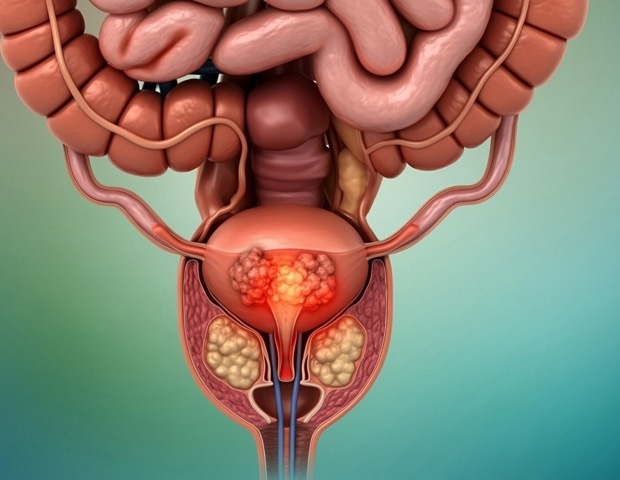
Breakthroughs in Overcoming Prostate Cancer Therapy Resistance
Prostate cancer remains a formidable clinical adversary, particularly when it advances to a castration-resistant state. Recent molecular investigations have identified a breakthrough gene expression signature that may finally unlock the potential of immunotherapy for these high-risk patients. By mapping the complex interplay between tumor microenvironments and hormonal signaling, researchers are moving closer to a precision-medicine paradigm that could redefine current standard-of-care protocols.
Key Clinical Takeaways:
- A novel gene expression signature has been identified that predicts patient response to immunotherapy, potentially sparing non-responders from ineffective, toxic treatments.
- Cortisol signaling has been pinpointed as a critical driver of therapy resistance, offering a new target for pharmacological intervention.
- The integration of receptor-blocking agents with existing androgen-deprivation therapies is currently being evaluated to circumvent resistance mechanisms in advanced prostate cancer.
The pathogenesis of metastatic castration-resistant prostate cancer (mCRPC) is often characterized by an immunosuppressive tumor microenvironment that renders traditional checkpoint inhibitors largely ineffective. A landmark study published in Nature Communications—supported by grants from the National Institutes of Health (NIH)—has delineated how specific gene signatures dictate the recruitment of immune cells to the tumor site. This research provides a molecular roadmap for stratifying patients who are most likely to derive clinical benefit from immunotherapy, moving beyond the “one-size-fits-all” approach that has historically limited oncology success rates.
The Cortisol-Resistance Nexus in Prostate Malignancy
Emerging data indicates that the glucocorticoid receptor (GR) plays a paradoxical role in prostate cancer progression. While androgen deprivation therapy (ADT) is the bedrock of treatment, tumor cells frequently exploit cortisol signaling pathways to regain proliferative momentum. The work led by Besim Ogretmen, Ph.D., and Michael Lilly, M.D., suggests that the elevation of specific sphingolipid metabolites and the activation of the GR pathway correlate with a heightened state of treatment resistance. This biological feedback loop essentially masks the tumor from immune surveillance.
“The challenge with mCRPC is not merely the tumor’s ability to mutate, but its sophisticated ability to co-opt host stress-response pathways to survive systemic therapy. By identifying the gene signature associated with this cortisol-driven resistance, we can begin to design combinatorial regimens that strip the cancer of its primary survival mechanism.” — Dr. Aris Thorne, Lead Oncologist and Clinical Researcher in Molecular Oncology.
For patients and clinicians navigating these complex diagnostic landscapes, identifying the right facility for molecular profiling is paramount. Accessing specialized oncology diagnostic centers capable of performing high-throughput gene expression analysis is the first step in translating this research into clinical action. Patients currently managing resistant disease should seek guidance from board-certified urological oncologists to determine if they are candidates for emerging clinical trials focused on receptor-targeted therapies.
Clinical Trial Framework: Evaluating Combinatorial Efficacy
The transition from bench to bedside requires rigorous validation of these biomarkers. The current landscape of clinical research focuses on combining novel receptor blockers with conventional ADT and checkpoint inhibitors. The following table outlines the strategic approach currently being utilized in late-stage research to overcome resistance.
| Therapeutic Strategy | Mechanism of Action | Clinical Goal |
|---|---|---|
| Precision Biomarker Stratification | Gene expression signature mapping | Identify immunotherapy responders |
| GR-Pathway Inhibition | Receptor blockade via novel tiny molecules | Reverse cortisol-driven resistance |
| Immune Checkpoint Blockade | PD-1/PD-L1 inhibition | Restore T-cell mediated tumor destruction |
The implementation of these strategies is not without regulatory and operational hurdles. As research moves from phase II to phase III, the need for robust patient advocacy and clinical coordination becomes increasingly critical. Healthcare systems must ensure that their clinical trial coordination services are optimized to handle the longitudinal monitoring required for these complex immunotherapy regimens. Pharmaceutical developers and research institutions are increasingly engaging biotech compliance counsel to navigate the rapidly shifting landscape of FDA and EMA approval pathways for biomarker-driven therapies.
Future Trajectories in Precision Oncology
The identification of this gene signature represents a pivot point in the management of resistant prostate cancer. By neutralizing the cortisol-driven resistance mechanism, clinicians may be able to “re-sensitize” tumors that were previously refractory to immunotherapy. This shift promises to reduce the morbidity associated with ineffective, high-toxicity treatments while enhancing the durability of remission. As the medical community continues to refine these diagnostic markers, the integration of genomic data into routine clinical practice will remain the decisive factor in improving long-term outcomes for patients with advanced malignancy.
Patients and providers are encouraged to stay abreast of ongoing developments by consulting with specialists who participate in multidisciplinary tumor boards. Ensuring that a patient’s treatment plan is informed by the latest peer-reviewed clinical intelligence is the most effective defense against the progression of resistant disease.
Disclaimer: The information provided in this article is for educational and scientific communication purposes only and does not constitute medical advice. Always consult with a qualified healthcare provider regarding any medical condition, diagnosis, or treatment plan.