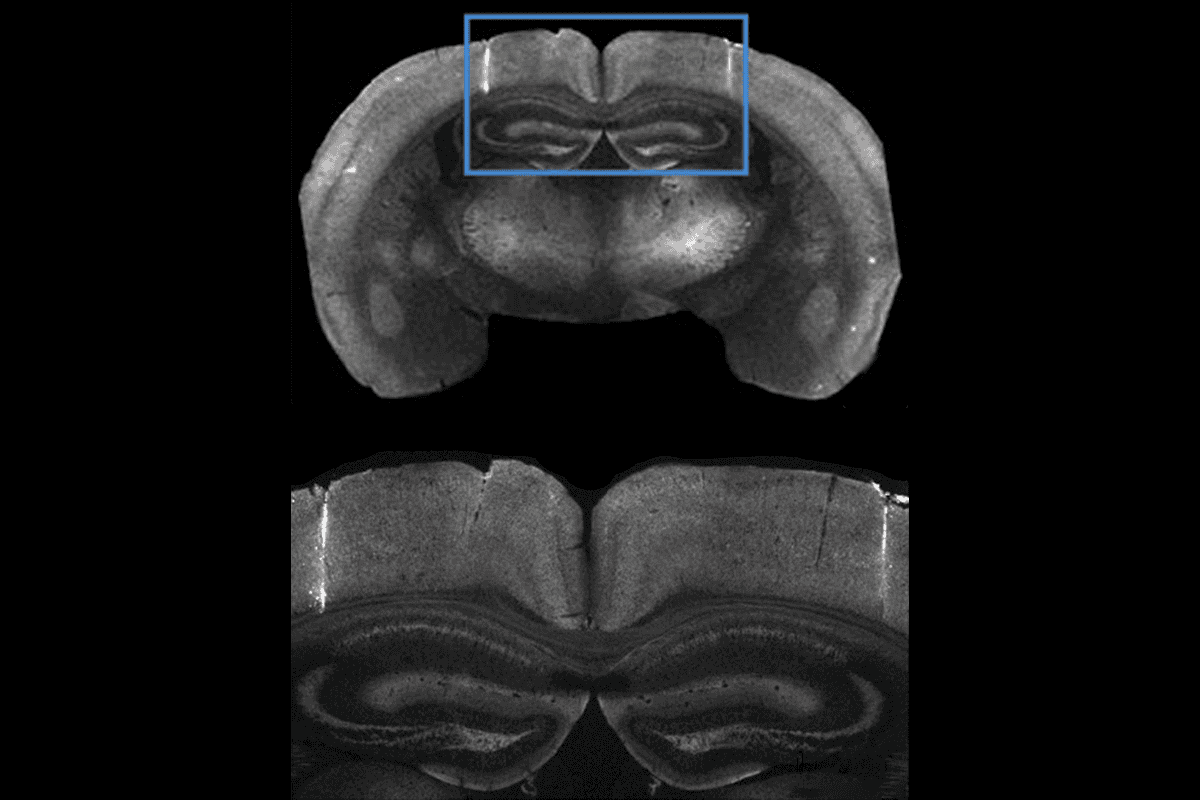
Breakthrough Discovery: Sleep-Like Brain Activity Boosts Memory in Awake Mice
Recent neurobiological research indicates that specific sleep-like neuronal activity can occur in the brains of awake mice, potentially reducing the biological necessity for restorative sleep while simultaneously enhancing memory consolidation. Published in the journal Nature, this study challenges the traditional dichotomy between wakefulness and sleep by identifying localized, sleep-like oscillations—specifically “sleep-like hippocampal ripples”—that emerge during periods of quiet wakefulness. These findings suggest that the brain may possess an intrinsic mechanism to optimize cognitive function and recovery without requiring a full transition into non-REM sleep states.
Key Clinical Takeaways:
- Researchers identified brief, sleep-like neural activity in awake mice that mirrors the patterns typically observed during deep sleep.
- These localized “ripples” in the hippocampus are associated with improved memory performance and a reduced overall requirement for traditional sleep duration.
- The study provides a new biological framework for understanding sleep homeostasis and potential future interventions for sleep-deprivation-related cognitive decline.
Mechanisms of Neural Recovery in Wakefulness
The study, led by researchers at the University of California, San Francisco (UCSF) and supported by funding from the National Institutes of Health (NIH), utilized advanced optogenetics and high-density electrophysiology to map neuronal firing patterns. According to the research, these localized sleep-like oscillations occur predominantly in the hippocampus—a region critical for memory encoding and spatial navigation. By isolating these ripples, the investigators observed that mice experiencing more frequent, sleep-like hippocampal activity required less time in a state of behavioral sleep to achieve comparable memory consolidation benchmarks.
This phenomenon suggests that the brain’s homeostatic drive is not exclusively global. Instead, it functions as a modular system where specific circuits can enter a “restorative” mode independently of the organism’s behavioral state. For individuals experiencing chronic sleep fragmentation or circadian rhythm disorders, this research underscores the complexity of sleep-dependent synaptic plasticity. Patients struggling with persistent cognitive fatigue or sleep-maintenance insomnia are encouraged to seek guidance from a [Board-Certified Sleep Medicine Specialist] to evaluate whether underlying neuro-pathways are failing to achieve these essential restorative micro-states.
Comparative Analysis: Global Sleep vs. Localized Ripples
Historically, medical consensus has categorized sleep as a systemic, global phenomenon involving the entire brain. However, recent evidence increasingly points to “local sleep,” where specific cortical regions exhibit slow-wave activity while the rest of the brain remains awake. The current findings in Nature expand upon this by demonstrating that hippocampal ripples during quiet wakefulness function similarly to those during Slow-Wave Sleep (SWS).
While SWS is characterized by widespread delta-wave synchronization, the ripples observed in these awake mice are highly localized, brief (typically lasting less than 200 milliseconds), and functionally tethered to memory reactivation. This distinction is vital for researchers attempting to bridge the gap between animal models and human clinical neurology. As we refine our understanding of these oscillations, the clinical focus will likely shift toward non-pharmacological interventions that promote these restorative states. For clinics specializing in cognitive health, integrating advanced EEG monitoring to track these micro-oscillations may eventually become part of the [Standard-of-Care Diagnostic Protocol] for patients with early-stage neurodegenerative conditions.
Implications for Sleep Deprivation and Cognitive Health
The therapeutic potential of this discovery lies in the possibility of “inducing” these sleep-like states to mitigate the morbidity associated with chronic sleep deprivation. Sleep loss is a known risk factor for neuroinflammation, impaired glucose metabolism, and diminished executive function. If clinicians can identify biomarkers for these ripples, it may be possible to develop targeted neuro-stimulation techniques to bolster memory consolidation in patients whose sleep architecture has been compromised by illness or environmental factors.
However, the transition from murine models to human clinical applications remains significant. The regulatory pathway for neuro-modulation devices requires rigorous safety validation to ensure no adverse impact on global brain function or seizure thresholds. Healthcare organizations currently exploring non-invasive brain stimulation should consult with a [Healthcare Compliance Attorney] to ensure that any experimental protocols remain aligned with evolving FDA guidance on Class II and III medical devices.
Future Trajectory of Sleep Science
As research progresses, the focus will likely move toward characterizing the specific neurotransmitter modulation—such as acetylcholine and norepinephrine levels—that permits these ripples to emerge during wakefulness. Understanding the gating mechanism that allows sleep-like patterns to “leak” into the awake state provides a roadmap for future drug development targeted at the sleep-wake transition. Clinicians and researchers seeking to stay at the forefront of this evolving field should engage with established neurobiology research networks and academic centers of excellence to monitor Phase I pilot studies as they emerge.
Disclaimer: The information provided in this article is for educational and scientific communication purposes only and does not constitute medical advice. Always consult with a qualified healthcare provider regarding any medical condition, diagnosis, or treatment plan.