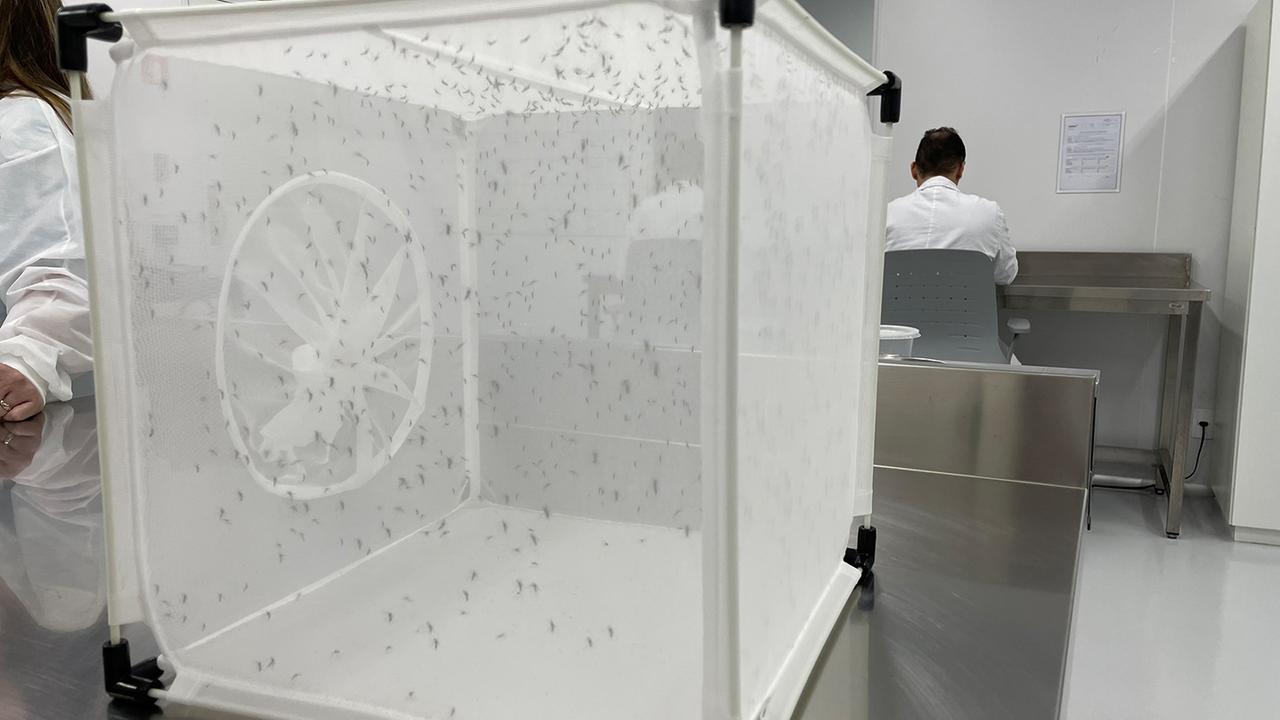
Brazil Releases 190 Million Factory Mosquitoes Weekly to Fight Dengue
Brazil is scaling up its bio-factory production to release 190 million sterile and Wolbachia-infected mosquitoes weekly in a massive vector control effort to combat surging dengue fever transmission rates. Public health authorities are racing to curb the pathogenesis of the mosquito-borne virus as seasonal outbreaks threaten healthcare infrastructure across densely populated urban centers.
Key Clinical Takeaways:
- Brazil’s public health agencies are deploying 190 million modified mosquitoes weekly to suppress local Aedes aegypti vector populations.
- The intervention utilizes biological control mechanisms, specifically the introduction of Wolbachia bacteria and sterile insect techniques, to reduce viral transmission without relying solely on chemical insecticides.
- Epidemiologists emphasize that vector suppression remains a primary line of defense in reducing morbidity associated with severe dengue fever stages.
Scaling Biocontrol Infrastructure Against Viral Vectors
The vector control initiative relies on industrial-scale breeding facilities designed to flood affected regions with modified Aedes aegypti mosquitoes. According to public health reporting from tagesschau.de, scaling production to 190 million insects per week represents a significant logistical expansion in the nation’s epidemiological strategy. By releasing male mosquitoes carrying either sterility traits or the intracellular Wolbachia bacterium, authorities aim to suppress the reproductive capacity of wild populations that transmit the dengue virus to humans.
Clinical researchers note that standard chemical interventions often face growing resistance among vector populations. Biological suppression circumvents this pharmacological barrier by targeting the reproductive cycle directly. For regional clinics managing acute viral presentations, reducing vector density lowers overall disease incidence and prevents emergency room overcrowding during peak transmission seasons. Patients experiencing acute febrile illness or joint pain should promptly consult with vetted infectious disease specialists to ensure accurate diagnostic evaluation and supportive care.
Epidemiological Impact and Clinical Management of Dengue Pathogenesis
Dengue virus infection presents a complex clinical picture, ranging from mild self-limiting fever to severe plasma leakage and shock syndrome. Public health data tracked by the World Health Organization highlights the continuous global burden of arboviral diseases. In regions experiencing hyperendemic transmission like Brazil, timely laboratory confirmation via PCR or NS1 antigen testing is vital for appropriate triage.
Healthcare providers managing high volumes of suspected cases must remain vigilant for warning signs such as persistent vomiting, mucosal bleeding, and severe abdominal tenderness. Navigating complex diagnostic protocols and ensuring adherence to clinical guidelines often requires institutional support. Healthcare facilities looking to optimize their triage workflows and diagnostic accuracy can consult with certified clinical diagnostics advisory services to refine patient pathways.
Future Trajectory of Arboviral Suppression
As large-scale releases continue, ongoing entomological surveillance will measure the sustained reduction of vector density and correlate these metrics with local infection rates. Researchers stress that biological control must operate alongside community sanitation efforts and vaccination programs to achieve long-term disease mitigation. Integrating these multi-layered defense strategies remains essential for protecting vulnerable populations against recurring epidemics.
Clinics and public health networks preparing for upcoming transmission cycles must maintain robust supply chains and clinical oversight. Healthcare organizations seeking to audit their outbreak response readiness and compliance frameworks can partner with specialized healthcare compliance consultants to navigate regulatory requirements effectively.
Disclaimer: The information provided in this article is for educational and scientific communication purposes only and does not constitute medical advice. Always consult with a qualified healthcare provider regarding any medical condition, diagnosis, or treatment plan.