
Brazil media associations condemn judicial intervention in TV debate
Brazil’s presidential election faced immediate disruption when three major media associations expressed deep outrage over judicial intervention that forced the cancellation of the final televised debate just two days before the national vote. President Luiz Inácio Lula da Silva and his main challenger, Flávio Bolsonaro, both withdrew from the event following conflicting court orders that altered broadcast rules and added uninvited candidates, sn.at reported alongside coverage from orf.at, tt.com, and vol.at.
Court Orders Trigger Debate Cancellation Across Brazil
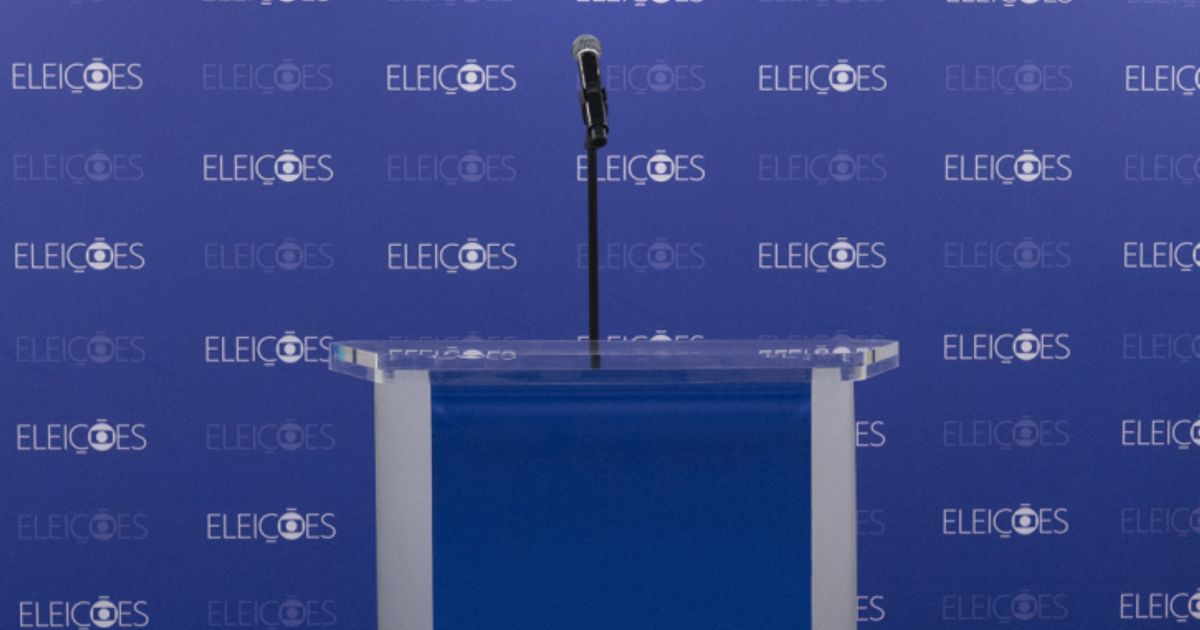
The controversy unfolded rapidly on the eve of the election’s first round. On application by supporters of President Lula, the electoral court prohibited the television network Globo from leaving an empty podium for the absent incumbent or permitting remaining candidates to direct questions toward him, according to tt.com. Simultaneously, a Supreme Court justice ordered the inclusion of Renan Santos from the newly formed Missao Party, who had not received an initial invitation. In response to the rulings, Flávio Bolsonaro also withdrew from the broadcast, denouncing the adjustments as censorship. Globo subsequently canceled the entire production, citing legal uncertainty and inappropriate interference.
Three prominent Brazilian media associations issued a joint statement condemning the rulings, stating that judicial overreach trampled on citizens’ rights to hear candidate proposals, as reported by sn.at. The newspaper Folha de S. Paulo characterized the intervention in an editorial commentary as a desperate attempt to favor the incumbent administration. Opting out of the studio format, the 80-year-old incumbent instead appeared on a podcast, maintaining that he saw no utility in debating an opponent he considers unqualified. Bolsonaro, a 45-year-old federal senator since 2019 and son of imprisoned former right-wing president Jair Bolsonaro, watched the debate collapse alongside the incumbent’s camp.

Lula Seeks Fourth Term Amid Economic Shifts
Voters head to the polls with incumbent President Lula seeking a fourth, non-consecutive term in office, backed by a political career spanning five decades, as detailed by orf.at. During his initial two mandates, millions of citizens benefited from a major economic upswing fueled by Chinese demand for Brazilian raw commodities, allowing the administration to fund extensive social programs like Bolsa Família. World Bank data cited by orf.at indicates that approximately 20 million individuals escaped poverty between 2003 and 2009 under these initiatives. However, the current campaign unfolds amid high living costs and persistent public security concerns that place mounting pressure on the government.
The political environment also carries historical baggage from prior corruption investigations that shadowed the Workers' Party. A major scandal erupted in 2005 involving payments to lawmakers for legislative votes, though direct links to Lula were not legally established at the time, and he won reelection in 2006. Subsequent investigations into a luxury coastal apartment tied to public works contracts led to a 2017 conviction for corruption and money laundering, which Lula consistently denied before returning to the presidency in 2022 by defeating Jair Bolsonaro. Current pre-election polls show Lula and Flávio Bolsonaro running neck-and-neck ahead of Sunday’s vote. If no candidate secures an absolute majority of valid ballots, a runoff election is scheduled for October 25, 2026.
Lula Urges US to Avoid Interfering in Elections
Brazilian law enforcement authorities conducted searches following reports of potential threats against American diplomatic facilities, but reported finding no physical evidence to validate the warnings. U.S. President Donald Trump publicly stated that he was monitoring the Brazilian election closely. In response to the external attention, Lula repeatedly urged Washington throughout the campaign to refrain from interfering in domestic Brazilian affairs.
The October 25 Runoff Schedule
Should the tight race between President Lula and Flávio Bolsonaro prevent any contender from capturing more than 50 percent of the valid votes, electoral authorities will execute preparations for the scheduled runoff election on October 25, 2026.