
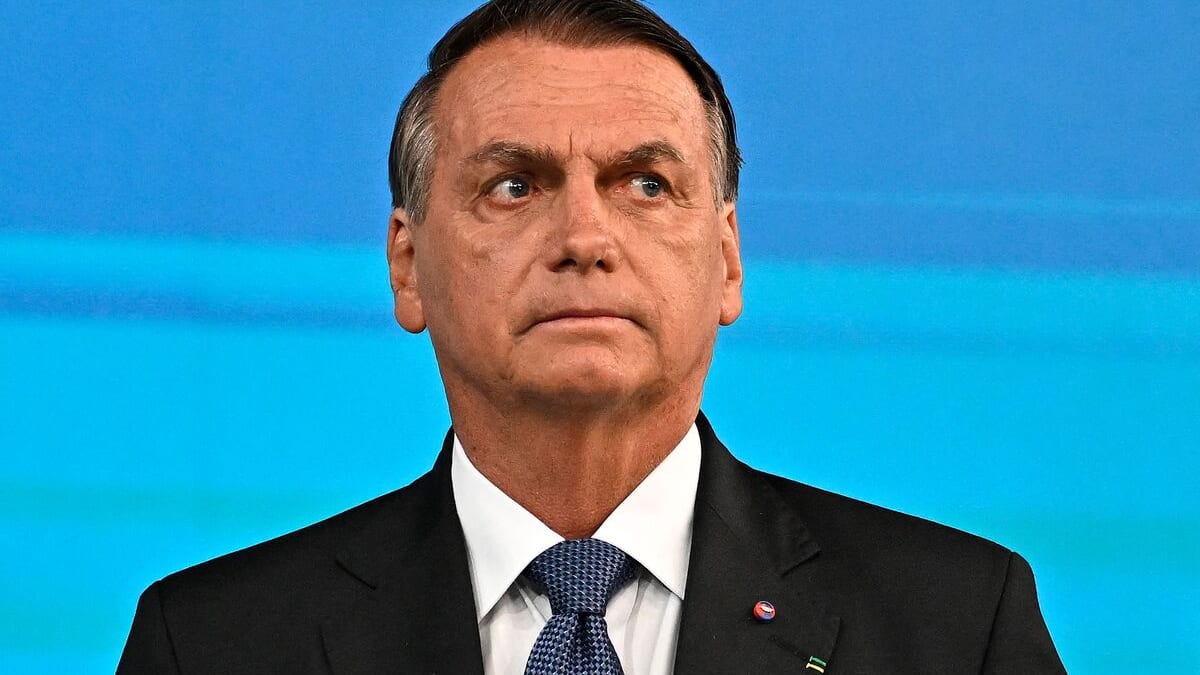
Brazil: Navigating the Aftermath of Bolsonaro‘s Conviction
The conviction of former Brazilian President Jair Bolsonaro has triggered a flurry of legal maneuvers and political positioning, leaving the future of the conservative movement and the possibility of a political comeback uncertain. Following the verdict announcement on Thursday, Bolsonaro’s legal team promptly signaled their intention to file appeals, “including internationally.” The defense has five days from the publication of the full ruling to formally submit these appeals.
One potential avenue for the defense, as suggested by Thiago Bottino, is the Inter-American Court of Human Rights, though its scope would be “limited.” Simultaneously, Bolsonaro is seeking alternative arrangements for serving his sentence, requesting to be placed under house arrest due to health concerns stemming from the consequences of a 2018 knife attack that required multiple surgeries. This strategy mirrors that of ex-president Fernando Collor de Mello, who was granted house arrest for health reasons in May while serving a sentence of over eight years for corruption.
However, the possibility of avoiding punishment altogether through an amnesty is actively being pursued by Bolsonaro’s allies. Senator Flavio Bolsonaro, his son, stated their commitment to “unite the parliament” around an amnesty bill encompassing his father. Bolsonarist deputy Luciano Zucco indicated the aim is to bring the bill to a vote “next week.” This effort faces significant hurdles, requiring support from key center parties who have already expressed reluctance.Furthermore, even if passed, any amnesty law could be vetoed by current president luiz Inácio Lula da Silva. Crucially, several judges, including Alexandre de Moraes, rapporteur of the trial, have already asserted the unconstitutionality of such an amnesty in cases of “crimes against democracy,” stating “there is no place” for parliamentary forgiveness.
The conviction also impacts Bolsonaro’s future political ambitions. Previously barred from running for office until 2030 due to electoral disinformation,he had hoped to overturn this ineligibility to contest the 2026 election. While his allies publicly maintain unwavering support – Deputy Sostenes Cavalcante stating, “We have no other plan, it is plan A, B and C” – behind-the-scenes maneuvering is underway to identify a successor.
Tarcisio de Freitas, the governor of São Paulo, is currently considered the frontrunner. A former minister under Bolsonaro, Freitas has adopted a more assertive stance against the Supreme Court and advocates for an amnesty. He has also pledged to grant Bolsonaro a presidential pardon on his first day in office should he be elected. However, political scientist Mayra Goulart of the Federal University of Rio de Janeiro (UFRJ) cautions that this rhetoric could alienate more moderate voters.
Simultaneously occurring, President lula da Silva is experiencing a slight resurgence in popularity, with a recent DataFolha Institute survey showing approval at 33%, despite a 38% rejection rate. While stating he has “not yet decided” on running for a fourth term, Lula has demonstrably signaled his intention to compete, focusing on defending Brazilian “sovereignty” in response to trade tensions initiated by former U.S. President Donald Trump following the trial against Bolsonaro.
