
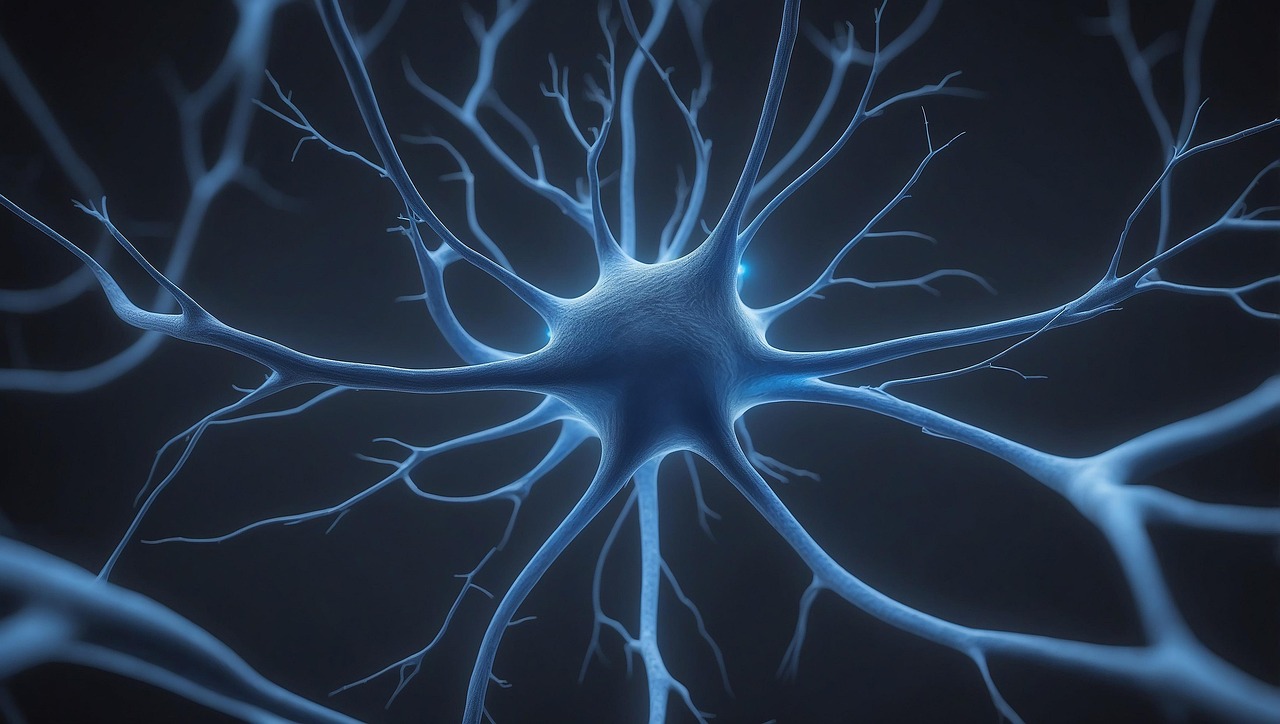
Groundbreaking Research Confirms Adult Brains Generate New Neurons
Table of Contents
For decades, the prevailing scientific belief was that the human brain ceased producing new neurons after childhood. however, a recent landmark study has shattered this long-held dogma, providing the clearest evidence to date that the brains of older individuals continue to generate new neurons, a process known as neurogenesis. This discovery could revolutionize our understanding of brain health and offer new avenues for treating neurological disorders.
Challenging the foundations of Neuroscience
In the early 20th century, Santiago Ramón y Cajal, a pioneer in neuroscience, posited that the adult nervous system possessed minimal regenerative capabilities. This idea considerably shaped the direction of neuroscience research for many years. While it was later recognized that the brain continues to develop after birth, this was considered distinct from actual nerve regeneration. The consensus remained that brain nerve regeneration essentially concluded in childhood, with the brain reaching maturity around age 30.
Did You Know? The hippocampus, where new neurons are generated, plays a crucial role in memory consolidation, transferring new memories from short-term to long-term storage.
Emerging Evidence of Adult Neurogenesis
Over time, research began to challenge this established view. Animal studies, for instance, revealed the production of new brain neurons in the dentate gyrus (DG) of mice, rats, and non-human primates. In 2013, a team led by Jonas Frisén at the Karolinska Institute in Sweden used carbon dating technology to assess neuronal age, publishing findings that suggested the adult hippocampus could indeed form new neurons.While this research garnered significant attention, skepticism persisted within the scientific community.
Overcoming Obstacles in Brain Tissue research
One of the primary challenges in studying adult neurogenesis lies in obtaining high-quality brain tissue samples. Adult brain tissue typically comes from autopsies or surgical procedures, and variations in sample treatment methods-such as preservation techniques, chemical usage, and slice thickness-can complicate the detection of new cells. This difficulty was highlighted in the spring of 2018 when two separate nerve regeneration studies, published just a month apart, reached diametrically opposed conclusions.
Pro Tip: Maintaining a healthy lifestyle, including regular exercise and a balanced diet, may promote neurogenesis and support overall brain health.
Breakthrough Using Advanced Technologies
Recently, the Karolinska Academy team has overcome these challenges by employing cutting-edge technologies. Their research provides compelling evidence that the adult brain harbors neural stem cells capable of growing, dividing, and ultimately maturing into new neurons.This groundbreaking work, published in the journal *Science* [1], marks a significant advancement in our understanding of the brain’s regenerative capacity.
The Hippocampus: A Hub for Newborn Nerve Cells
The research team sought to identify neural progenitor cells, which would provide direct evidence of ongoing neurogenesis. By combining advanced methods to characterize individual brain cells,track the expression of genes within single-cell nuclei,and analyze post-mortem brain samples from individuals aged 0 to 78,they were able to achieve this goal.
Analyzing over 400,000 independent nuclei from these samples, the researchers identified nerve cells at various stages of development. They confirmed that these neonatal nerve cells originated in the dentate gyrus within the hippocampal gyrus. The hippocampal gyrus, a component of the brain’s limbic system, plays a vital role in short-term memory, long-term memory, and spatial positioning [2].During memory consolidation, it helps stabilize the storage of new memories in the cerebral cortex’s long-term memory area.
Implications for Neurological and Psychological Diseases
This study’s clear evidence of nerve regeneration has the potential to resolve the long-standing debate about whether new neurons can grow in adult brains. The researchers also noted significant individual differences, with some adult brain tissue samples exhibiting a wealth of neural progenitor cells while others showed relatively few. These variations may help explain differences in the risk of developing neurological and psychological diseases.
| Key Finding | Details |
|---|---|
| Adult Neurogenesis | Confirmed in the dentate gyrus of the hippocampus. |
| Neural Progenitor Cells | Identified in adult brain tissue samples. |
| Individual Differences | Variations in neural progenitor cell abundance observed. |
| Potential Applications | Treatment of neurological diseases like Alzheimer’s. |
The ability to safely enhance the growth of new nerve cells in adult brains could pave the way for novel treatments for conditions such as Alzheimer’s disease.Further research is needed to explore these possibilities and develop effective therapeutic strategies.
Looking Ahead
This groundbreaking study offers a new viewpoint on the adult brain’s capacity for regeneration. By understanding the mechanisms that drive neurogenesis, scientists may be able to develop interventions that promote brain health and combat age-related cognitive decline.
The historical Context of Brain Regeneration Research
The idea that the adult brain is incapable of generating new neurons has been a cornerstone of neuroscience for over a century. though, in recent decades, evidence has been mounting to challenge this dogma. Studies in animals have shown that neurogenesis occurs in specific brain regions, such as the hippocampus and the olfactory bulb. These findings have spurred researchers to investigate whether similar processes occur in the human brain.
The Importance of the Hippocampus
The hippocampus is a brain region that is critical for learning and memory. It is also one of the few regions where neurogenesis has been consistently observed in adult mammals.The new neurons generated in the hippocampus are thought to play a role in forming new memories and adapting to changing environments.
Frequently Asked Questions About Adult Neurogenesis
- What factors can influence adult neurogenesis?
- Factors such as exercise, diet, stress, and sleep can all influence the rate of neurogenesis in the adult brain. Engaging in regular physical activity, consuming a healthy diet rich in antioxidants, managing stress levels, and getting adequate sleep may promote neurogenesis and support overall brain health.
- Can lifestyle changes promote brain nerve regeneration?
- Yes, adopting a brain-healthy lifestyle can potentially boost neurogenesis. This includes regular physical exercise, a diet rich in fruits, vegetables, and omega-3 fatty acids, sufficient sleep, stress management techniques, and engaging in mentally stimulating activities.
Disclaimer: This article provides information for general knowledge and informational purposes only,and does not constitute medical advice. It is essential to consult with a qualified healthcare professional for any health concerns or before making any decisions related to your health or treatment.
What are your thoughts on this groundbreaking discovery? How might this impact future treatments for neurological disorders? Share your comments below!
