
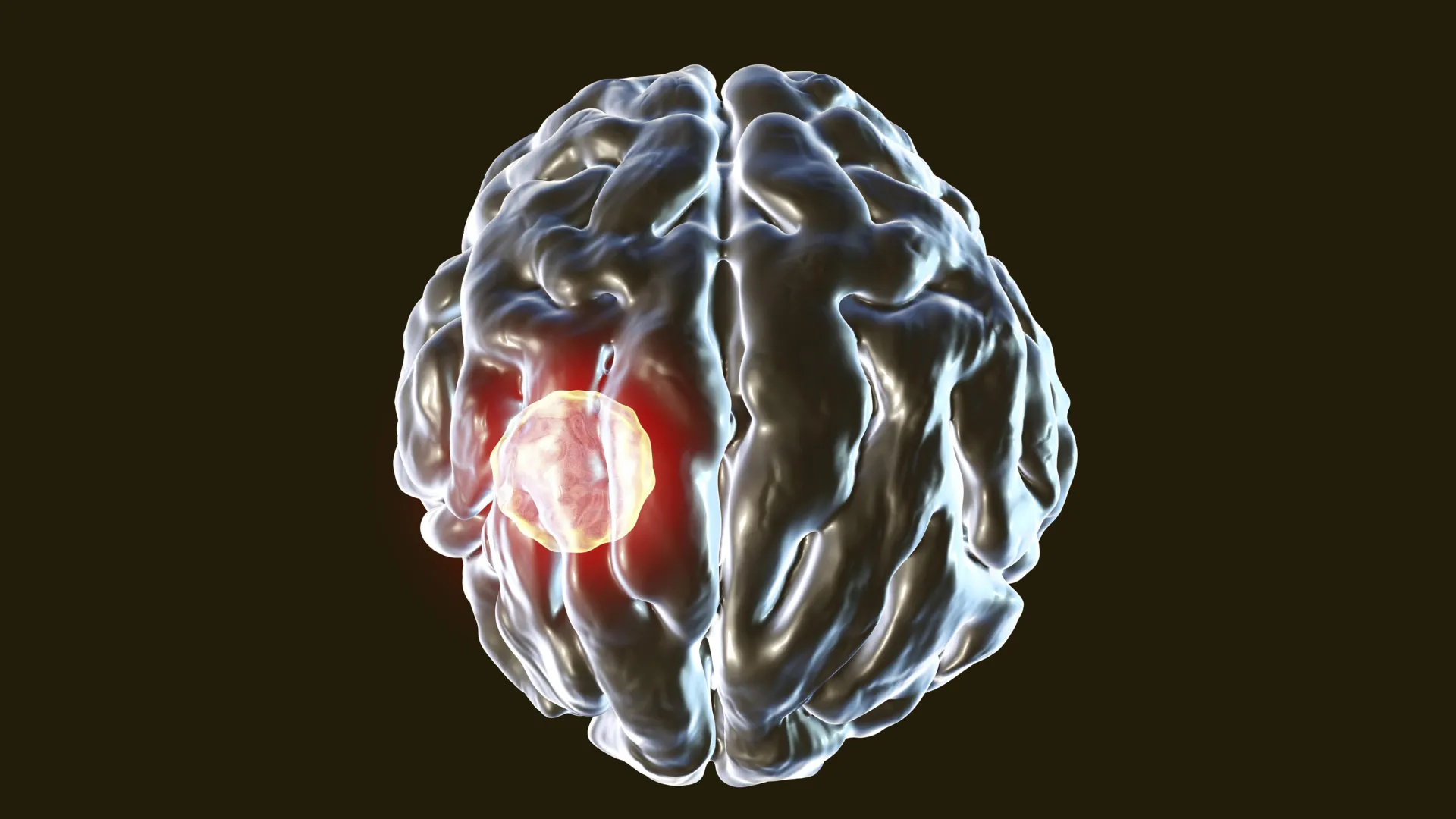
A common brain parasite, Toxoplasma gondii, has evolved a surprising defense mechanism: infecting immune cells sent to destroy it, then triggering those cells to self-destruct, effectively eliminating the threat to itself. Researchers at the University of Virginia (UVA) Health System have discovered this process, revealing a critical role for an enzyme called caspase-8 in controlling the parasite.
Toxoplasma gondii infects warm-blooded animals, including humans, often transmitted through contact with cats, contaminated food, or undercooked meat. Although roughly one-third of the global population carries the parasite, most individuals remain asymptomatic. However, the infection can be severe in those with compromised immune systems, and is considered a neglected parasitic infection by the Centers for Disease Control and Prevention due to its high prevalence, with over 60 million people in the U.S. Estimated to be infected.
The UVA research, led by Tajie Harris, PhD, director of the Center for Brain Immunology and Glia (BIG Center), focused on how the immune system responds when T. Gondii invades CD8+ T cells – specialized immune cells designed to kill infected cells. “We know that T cells are really important for combatting Toxoplasma gondii, and we thought we knew all the reasons why. T cells can destroy infected cells or cue other cells to destroy the parasite. We found that these very T cells can get infected, and, if they do, they can opt to die. Toxoplasma parasites require to live inside cells, so the host cell dying is game over for the parasite,” Harris explained.
The team’s experiments revealed that CD8+ T cells utilize caspase-8 to initiate a self-destruct sequence when infected with T. Gondii. Caspase-8 is a key regulator of immune responses, and its activation leads to programmed cell death. Mice lacking caspase-8 in their T cells developed significantly higher levels of the parasite in their brains compared to mice with functional caspase-8, despite both groups exhibiting similar overall immune responses. The difference was stark: mice without caspase-8 became severely ill and died, while those with it remained healthy.
“We scoured the scientific literature to find examples of pathogens infecting T cells. We found very few examples,” said Harris, part of UVA’s Department of Neuroscience. “Now, we think we know why. Caspase-8 leads to T cell death. The only pathogens that can live in CD8+ T cells have developed ways to mess with Caspase-8 function. Prior to our study, we had no idea that Caspase-8 was so important for protecting the brain from Toxoplasma.”
The findings, published in Science Advances, suggest that T. Gondii has evolved to exploit this self-destruct mechanism as a survival strategy. Cats are the definitive host for T. Gondii, meaning the parasite reproduces sexually within them, and are a crucial part of the parasite’s life cycle. Cats shed oocysts – environmentally resistant eggs – in their feces, which can then infect other animals. According to the Cornell Feline Health Center, oocysts can survive in the environment for over a year.
The research was funded by the National Institutes of Health, grants R01NS112516, R01NS134747, R21NS12855, T32GM008715, T32AI007496, T32AI007046, T32NS115657, F30AI154740, T32AI007496 and T32GM007267. a University of Virginia Pinn Scholars Award; a UVA Shannon Fellowship; and UVA’s Strategic Investment Fund. Harris and her team indicated no financial conflicts of interest.
