
Brain’s Tactile Center Shows Remarkable Adaptability with Age, New Study Finds
Contrary to previous assumptions about widespread brain decline, a new study reveals the cerebral cortex, responsible for higher-level brain functions, ages in a more nuanced way than previously understood. Researchers at the German Center for Neurodegenerative Disease Research (DZNE) have discovered that specific layers within the brain’s tactile processing center actually thicken with age, suggesting a remarkable capacity for adaptation.
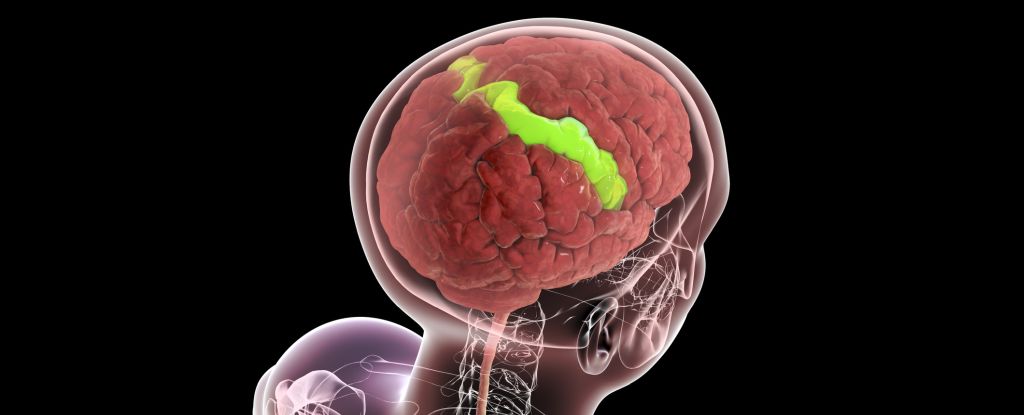
The study, published in Nature Neuroscience, utilized high-resolution MRI scans to examine the primary somatosensory cortex – the region of the brain that processes touch – in 61 adults ranging in age from 21 to 80. this area, structured like a layered stack of delicate tissue, showed distinct age-related changes.
While some layers became thinner with age, as was to be expected, the middle and upper layers exhibited increased thickness in older participants.The middle layer acts as a crucial entry point for tactile facts, while the upper layers are involved in more complex processing, like coordinating finger movements during grasping.”The middle layer is effectively the gateway for touch stimuli,” explains Dr. Kühn, lead author of the study. ”In the layers above, further processing occurs… important when grasping objects.”
Conversely,the lower layers,responsible for modulating tactile signals - essentially filtering out unimportant sensations like the feeling of clothing – were found to be thinner in older individuals. Though, this thinning wasn’t necessarily indicative of decline. Researchers observed an increase in myelin, a substance that speeds up signal transmission, alongside a rise in neurons that amplify modulation signals. This suggests the brain is actively compensating for any cellular loss.
The team proposes that this pattern of change is linked to the principle of “use it or lose it.” The middle and upper layers, constantly engaged by external stimuli, appear to be preserved through continued activity. The lower layers, receiving less stimulation in later life, experience thinning, but simultaneously demonstrate adaptive changes to maintain function.
“The neural circuits in the lower layers are stimulated to a lesser extent, especially in later life,” Dr. Kühn notes. ”I therefore see our findings as an indication that the brain preserves what is used intensively. That’s a feature of neuroplasticity.”
These findings offer an optimistic outlook on brain aging, suggesting that targeted stimulation could possibly promote these adaptive mechanisms and positively influence the aging process. The researchers hope future studies will explore ways to harness this inherent brain plasticity to maintain cognitive and sensory function throughout life.
