
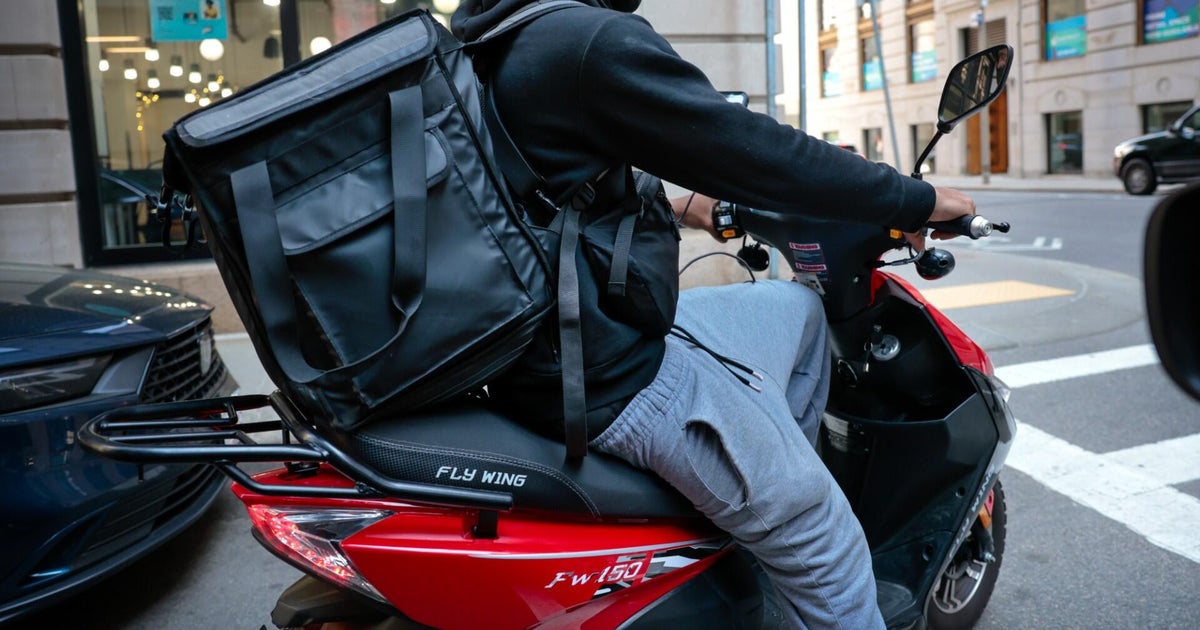
Boston City Council Considers Ban on Delivery Mopeds and E-Bikes
The Boston City Council is currently debating a potential ban on mopeds and e-bikes used by food delivery drivers to curb rising traffic chaos and safety hazards. This regulatory shift aims to restore order to city streets by targeting the “wild west” nature of current gig-economy delivery logistics in Massachusetts.
It is a classic urban collision: the friction between the rapid growth of the “on-demand” economy and the rigid infrastructure of a colonial-era city. For years, Boston’s narrow corridors have absorbed an influx of two-wheeled delivery vehicles that often treat traffic laws as optional suggestions. Now, the city is reaching a breaking point.
The problem isn’t just a few reckless drivers. it is a systemic failure of municipal zoning and transit law to retain pace with app-based commerce. When the city removes the primary tool of the delivery workforce, it creates an immediate void in the local logistics chain. Small businesses relying on these services face a sudden operational crisis, while drivers—many of whom are immigrants or low-income workers—face the loss of their primary livelihood.
The Logistics of Urban Friction
Boston’s geography is a nightmare for modern logistics. The city’s layout, characterized by winding streets and dense pedestrian hubs, makes it uniquely susceptible to the disruptions caused by moped congestion. When delivery drivers congregate in clusters outside restaurants in the Back Bay or North End, they don’t just block sidewalks; they create dangerous blind spots for motorists and pedestrians alike.
This is not an isolated incident of legislative overreach, but rather a response to a documented increase in traffic violations. The tension is palpable between the City of Boston administration and the gig-worker community. The council’s discussions on April 7th and 8th highlight a growing desire to prioritize pedestrian safety over the convenience of rapid food delivery.
However, the economic ripple effect is significant. A ban on mopeds doesn’t magically move deliveries to cars—which would only exacerbate Boston’s legendary traffic congestion—but may instead push drivers toward unregulated, high-speed e-bikes or simply out of the market entirely.
“The challenge for Boston is not simply removing the mopeds, but replacing the infrastructure that allowed them to proliferate. If we ban the tool without providing a viable, regulated alternative, we aren’t solving traffic; we are simply displacing poverty.”
For those caught in the crossfire, the legal ramifications are immediate. Drivers facing citations or vehicle seizures need urgent guidance. Navigating the complexities of municipal codes requires the expertise of experienced traffic attorneys who can challenge overly broad enforcement actions.
Analyzing the Regulatory Ripple Effect
To understand the long-term impact, we must glance at how other global hubs have handled the “delivery dilemma.” Cities like Paris and New York have attempted similar restrictions, often resulting in a “cat-and-mouse” game between city hall and delivery apps. In Boston, the proposal is more aggressive, potentially targeting the very vehicles that make the business model viable.
The following table outlines the projected shifts in the delivery ecosystem should the ban be fully implemented:
| Current State (Moped-Heavy) | Proposed State (Moped-Ban) | Projected Outcome |
|---|---|---|
| High speed, high volume, low regulation | Shift to e-bikes or automobiles | Increased delivery times & higher costs |
| Concentrated sidewalk congestion | Dispersed traffic/parking issues | Reduced pedestrian risk, increased curb-side idling |
| Low barrier to entry for drivers | Higher cost of compliant equipment | Reduction in available gig-work opportunities |
The macro-economic reality is that the “last-mile” delivery sector is the backbone of the modern urban restaurant industry. By restricting the means of transport, the city is effectively taxing the efficiency of local eateries. This creates a secondary problem: a surge in demand for more sustainable, perhaps corporate-managed, logistics solutions. Local businesses are now scrambling to find logistics and supply chain consultants to pivot their delivery models before the law takes full effect.
The Human Cost of Municipal Order
Beyond the spreadsheets and traffic reports lies a human element. For many in Boston, the moped is not just a vehicle; it is a mobile office. The “wild west” label used by council members ignores the desperation of workers who must complete a certain number of deliveries per hour just to break even after app fees.

The city’s approach focuses on the symptom (the moped) rather than the cause (the lack of designated delivery zones). Without dedicated staging areas for delivery workers, the sidewalk remains the only viable waiting room. This is a failure of urban planning, not a failure of the drivers.
“We are seeing a clash between the desire for a ‘walkable city’ and the reality of a ‘service economy.’ You cannot have one without accounting for the logistics of the other.”
As the City Council moves toward a vote, the focus will likely shift toward “permitted” vehicles. This creates a new bureaucratic layer where only certain, approved models of e-bikes or mopeds may be allowed. For the average worker, this means a sudden capital expenditure they cannot afford. This financial instability often leads to a need for small business financial advisors to assist independent contractors restructure their debts, and assets.
Looking Toward the Horizon
The decision facing the Boston City Council is a bellwether for other American cities. If Boston successfully implements a ban without collapsing its delivery ecosystem, others will follow. If it fails, it will serve as a cautionary tale about the limits of municipal regulation in the age of the algorithm.
The long-term viability of the city depends on its ability to integrate technology into its physical space. Banning a vehicle is a short-term fix for a long-term design flaw. The real solution lies in the creation of “micro-hubs”—dedicated zones where delivery vehicles can transition from larger transport to smaller, regulated modes of delivery without clogging the arteries of the city.
As this legal landscape shifts, the risk of non-compliance increases for both the driver and the business owner. Whether you are a restaurant owner trying to keep your doors open or a contractor trying to protect your equipment, the transition will be volatile. The only way to navigate this shift is through verified, professional guidance. From legal defense to strategic business pivoting, the World Today News Directory remains the definitive resource for connecting affected parties with the certified experts capable of mitigating the fallout of these regulatory storms.