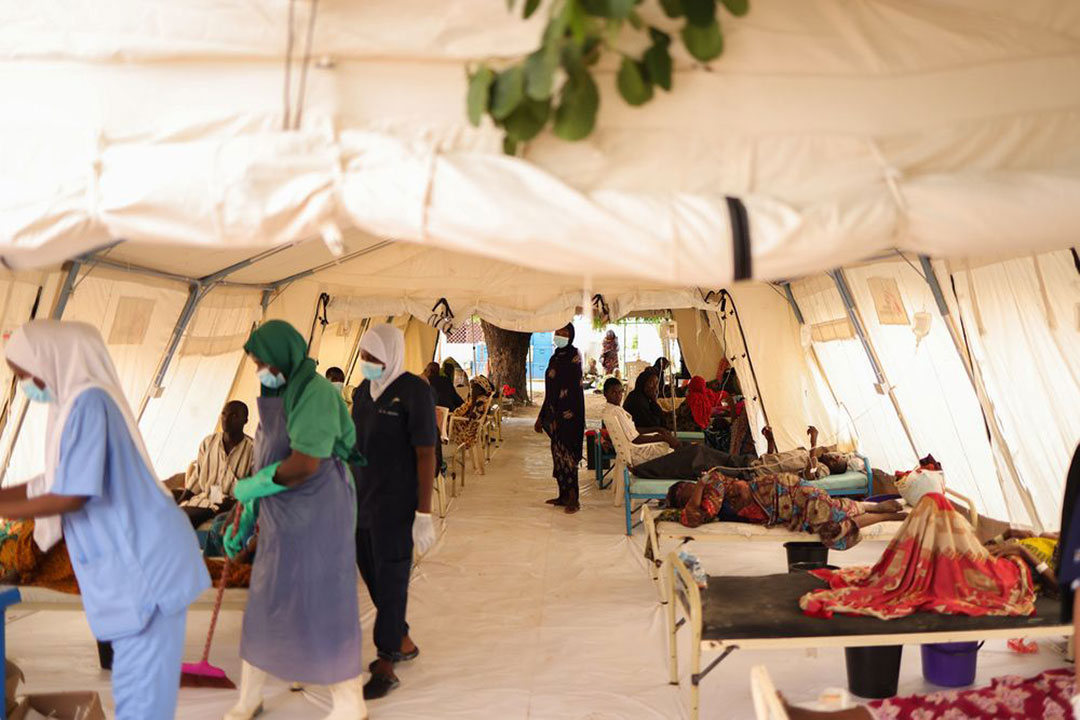
Borno State Battles Worst Cholera Outbreak in 20 Years
Borno State in northeastern Nigeria is currently managing its most severe cholera outbreak in two decades, driven by compounding environmental shocks, fragile sanitation infrastructure, and population displacement, according to operational data released by Gavi, the Vaccine Alliance. The escalating crisis has placed immense strain on local health systems, triggering emergency public health interventions to curb the rapid transmission of the waterborne bacterial infection caused by Vibrio cholerae.
Key Clinical Takeaways:
- Borno State is experiencing its worst cholera epidemic in 20 years, driven by acute vulnerabilities in clean water access and sanitation.
- Epidemiological tracking confirms rapid bacterial transmission of Vibrio cholerae, necessitating immediate oral cholera vaccine (OCV) deployment and aggressive rehydration protocols.
- Public health authorities emphasize that managing severe dehydration requires rapid clinical triage, specialized diagnostic confirmation, and strict adherence to established infection prevention standards.
Epidemiological Dynamics and Pathogenesis of the Borno Outbreak
The pathogenesis of Vibrio cholerae centers on the production of a potent enterotoxin that triggers severe, profuse watery diarrhea, rapidly leading to hypovolemic shock, severe metabolic acidosis, and renal failure if untreated. In Borno State, seasonal heavy rainfall, severe flooding, and compromised municipal infrastructure have accelerated the contamination of limited drinking water sources. According to reports from public health agencies monitoring the region, the combination of mass displacement and overcrowded temporary settlements has drastically reduced the standard of care regarding baseline hygiene, exponentially increasing the basic reproduction number ($R_0$) of the pathogen within vulnerable communities.
Controlling an epidemic of this magnitude requires robust epidemiological surveillance and rapid laboratory confirmation through stool cultures or rapid diagnostic tests (RDTs). Healthcare facilities across the affected districts are scaling up oral rehydration therapy (ORT) corners and intravenous fluid administration sites. Clinicians must carefully monitor serum electrolytes and renal function, particularly in pediatric and geriatric populations who face the highest morbidity rates from acute fluid loss.
Public Health Triage and Clinical Intervention Strategies
Mitigating the mortality associated with multi-decade peak outbreaks relies heavily on targeted vaccination campaigns and preventative community education. Per guidance from the World Health Organization, reactive vaccination campaigns utilizing oral cholera vaccines provide crucial short-term population immunity while long-term water, sanitation, and hygiene (WASH) infrastructure is rehabilitated. Medical teams operating in northeastern Nigeria are coordinating closely with international logistics networks to secure cold-chain storage for vaccine stockpiles.
For healthcare systems and medical organizations managing complex infectious disease protocols or expanding clinical operations in resource-limited settings, maintaining rigorous regulatory compliance is essential. Clinical directors frequently consult with specialized medical compliance networks and infectious disease consultants to optimize supply chains, ensure adherence to evidence-based treatment guidelines, and protect frontline healthcare workers from nosocomial transmission.
Future Trajectory and Clinical Preparedness
As international health organizations mobilize funding and medical supplies to support Borno State, the long-term containment of recurrent cholera epidemics hinges on structural investments in permanent water purification systems and robust disease surveillance networks. Suppressing the pathogen’s lifecycle demands an integrated approach combining mass immunization, community-level water safety auditing, and immediate access to board-certified infectious disease specialists and diagnostic laboratories. Strengthening these pillars remains the primary standard of care for preventing future resurgences in high-risk zones.
Disclaimer: The information provided in this article is for educational and scientific communication purposes only and does not constitute medical advice. Always consult with a qualified healthcare provider regarding any medical condition, diagnosis, or treatment plan.