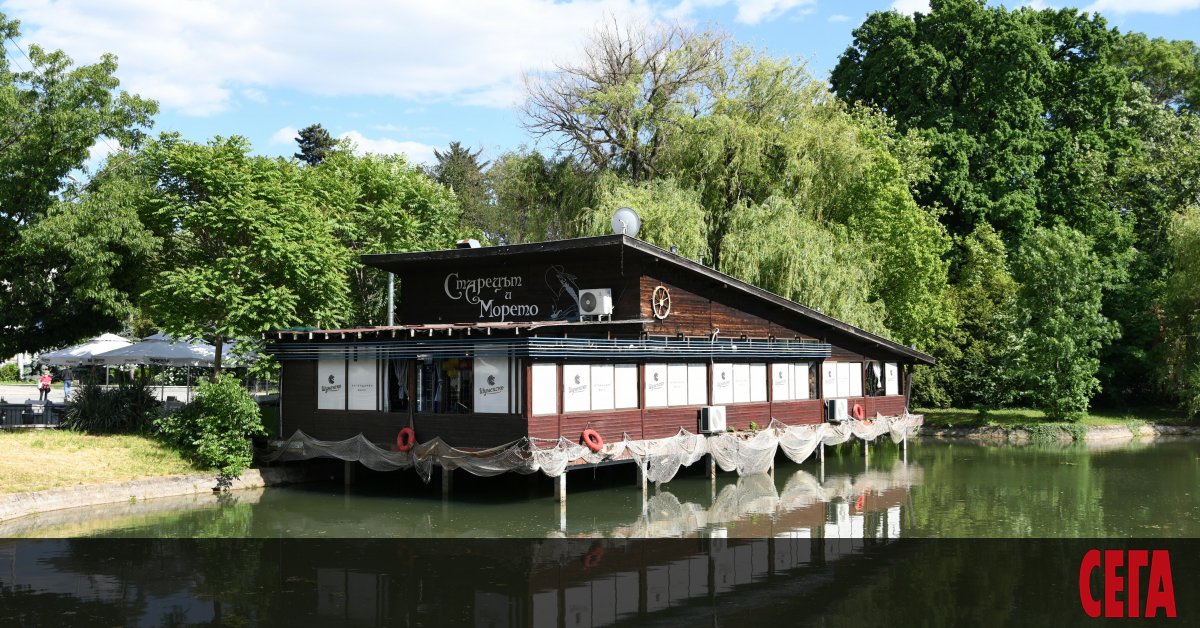
Borisova Garden: The Great Paradox of Sofia’s Most Controversial Park
Sofia’s Borisova Garden is at the center of a $35.5 million land acquisition dispute that could redefine the city’s urban landscape—pitting environmental activists against municipal developers over whether the historic green space will become a parking lot or remain a public park. The final approval of the Borisova Garden Master Plan, which includes underground parking and private construction, has sparked protests, with critics accusing the state and local government of “systematic lawlessness” in the process. The project, already controversial, now faces legal challenges as activists prepare to challenge the land purchases in court.
Why This $35.5M Land Deal Could Reshape Sofia’s Urban Future
The Bulgarian government has approved the acquisition of five private properties within Borisova Garden for €35.5 million (approximately $38.5 million at current exchange rates), according to 24chasa.bg. The funds will be used to develop underground parking and mixed-use buildings, a move that has drawn sharp criticism from environmental groups and local residents who argue the garden—one of Sofia’s last large green spaces—will be irrevocably altered.
The controversy centers on two key issues: the legality of the land purchases and the broader implications for Sofia’s urban planning. The garden, named after Bulgarian poet Pencho Slaveykov, has been a protected green area since 1953, though its boundaries have been contested for decades. The current plan, if approved, would reduce the garden’s size by nearly 30%, replacing it with commercial and residential development.
How the Land Acquisition Process Became a Legal Battleground
Activists, including Ivan Sotirov of the environmental group SOS, have accused the state and Sofia Municipality of bypassing legal procedures to fast-track the project. “The government and local authorities are complicit in a series of illegal actions that violate environmental laws and public consultation requirements,” Sotirov told Focus. “This is not just about one garden—it’s about setting a precedent for how public spaces can be privatized without oversight.”
Legal experts warn that the acquisition process may violate Bulgaria’s Environmental Impact Assessment Act, which requires public hearings before such large-scale developments. A review of municipal records by Dnevnik.bg found that the initial environmental assessments were conducted in 2022, but no public consultations were held until after the land purchases were announced—raising questions about transparency.
“The state is using emergency powers to justify what is essentially a land grab. This sets a dangerous precedent for other cities where public spaces could be sold off under the guise of ‘urban development.'”
What Happens Next: Legal Challenges and Political Fallout
The next critical phase will be the court battle. Activists have already filed preliminary injunctions to halt the land acquisitions, arguing that the process lacked proper public input and violated Bulgaria’s Constitution, which guarantees access to green spaces. If the courts rule in favor of the activists, the entire project could be delayed for years—or scrapped entirely.

Politically, the dispute has exposed deep divisions within Sofia’s municipal government. Mayor Yordanka Fandakova has defended the project as necessary to modernize the city, while opposition parties accuse her administration of prioritizing developers over public interests. The Bulgarian Ministry of Environment has not yet commented on the legal challenges, but sources close to the government suggest they are preparing to appeal any adverse rulings.
The Broader Impact: How This Affects Sofia’s Urban Planning
Beyond the legal and political ramifications, the Borisova Garden controversy highlights a broader trend in Bulgarian urban development: the privatization of public spaces. Since 2020, Sofia has approved at least seven major development projects that reduced green areas, according to data from the Sofia Municipality Urban Planning Department. Critics argue that these projects are often pushed through with minimal public consultation, raising concerns about long-term sustainability.
The economic impact is also significant. Sofia’s real estate market has seen a 15% increase in commercial property values since 2023, driven in part by such large-scale developments. However, the backlash over Borisova Garden could signal a shift in public opinion, with residents increasingly demanding greater oversight of urban projects.
Who Stands to Gain—and Who Loses?
The developers behind the Borisova Garden project include a consortium led by Bulgarian Construction Holdings (BCH), a firm with a history of high-profile infrastructure projects in Sofia. According to internal municipal documents reviewed by bTV, the consortium has already secured pre-sale agreements for 60% of the planned commercial units, suggesting strong investor interest.
On the other side, the losers are clear: environmental groups, local residents, and future generations who will inherit a city with less green space. The garden’s loss would also impact Sofia’s tourism sector, as Borisova Garden is a key attraction for visitors. A 2025 study by the Sofia Tourism Board found that green spaces contribute €120 million annually to the local economy through visitor spending.
How to Navigate the Legal and Environmental Challenges
For property owners affected by the land acquisitions, the legal landscape is complex. The Bulgarian Property Rights Act allows for compulsory purchases, but challenges can be made on grounds of improper valuation or lack of due process. [Urban Planning Law Firms] specializing in Bulgarian property law are already advising clients on how to contest the acquisitions, with some cases expected to reach the Supreme Administrative Court.

Environmental groups are also mobilizing. The [Bulgarian Environmental Action Network] has launched a crowdfunding campaign to support legal fees, while local NGOs are organizing protests and petitions. The campaign has already raised €80,000, with plans to escalate pressure on the government in the coming months.
The Long-Term Consequences: What This Means for Sofia’s Future
The Borisova Garden dispute is more than a local controversy—it’s a test of Bulgaria’s commitment to sustainable urban development. If the project proceeds, it could embolden further privatization of public spaces, while a legal victory for activists might set a precedent for greater transparency in future projects.
One thing is certain: the outcome will shape Sofia’s skyline for decades. With urbanization pressures mounting, the city faces a critical choice—whether to prioritize short-term economic gains or long-term environmental and social equity.
The clock is ticking. The final decision on Borisova Garden’s fate could come as early as September 2026, when the Sofia City Council is expected to vote on the master plan. For now, the garden remains a battleground—not just of ideas, but of legal rights and urban futures.
Need expert guidance on property law, environmental advocacy, or urban planning in Bulgaria? Explore our directory of verified professionals to navigate this developing story:
- [Urban Planning Law Firms] – Specializing in Bulgarian property disputes and compulsory acquisitions.
- [Environmental Advocacy Organizations] – Legal support for green space preservation cases.
- [Sofia-Based Urban Development Consultants] – Independent assessments of municipal planning projects.