Bomb Threats Hit Northeast Ohio Schools for Second Consecutive Day
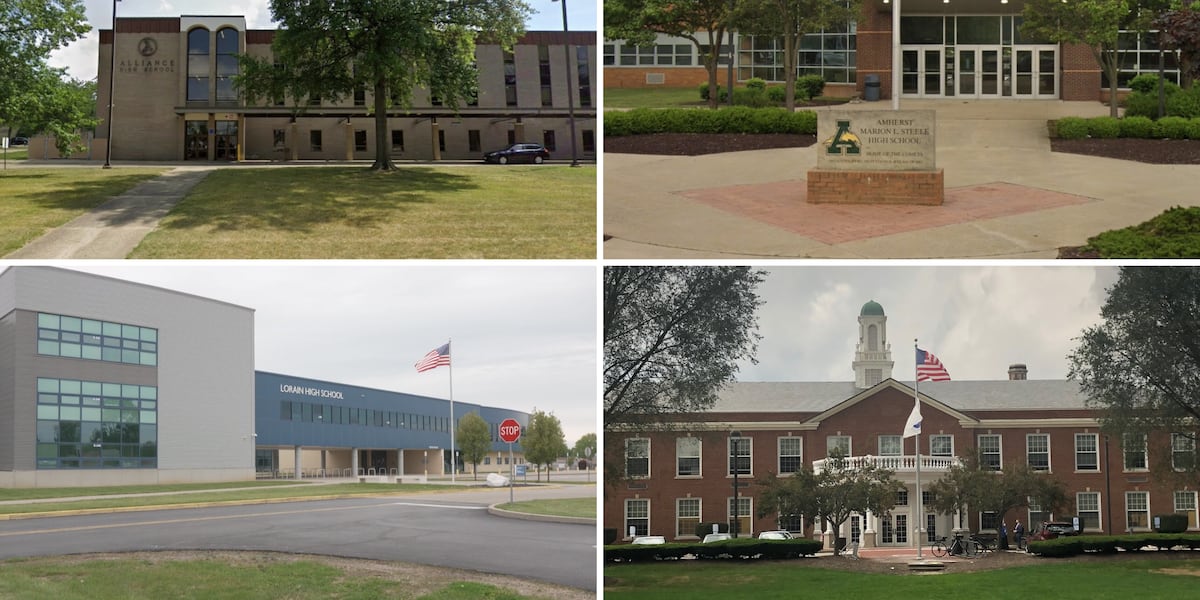
Northeast Ohio school districts, including the Elyria City School District, are facing a second consecutive day of bomb threats on Friday, May 8, 2026. These coordinated disruptions have forced emergency lockdowns and evacuations across the Cleveland region, triggering massive deployments of local law enforcement and disrupting the educational environment for thousands of students.
The immediate chaos is a symptom of a much larger, more systemic problem. When a school district is forced into a lockdown, the ripple effect extends far beyond the classroom. It paralyzes municipal traffic, drains emergency services, and leaves a lasting psychological scar on the student body. For the Elyria City School District, the impact hit home Friday morning, with both the high school and another district facility targeted, forcing administrators to pivot from education to crisis management in a matter of minutes.
This isn’t just a series of isolated pranks; it is a logistical assault on community infrastructure.
The Anatomy of a Coordinated Disruption
The pattern emerging in Northeast Ohio suggests a calculated effort to destabilize multiple jurisdictions simultaneously. By targeting different districts over a 48-hour window, the perpetrators ensure that local police and fire departments are stretched thin. This “cascading threat” model is designed to maximize panic and resource exhaustion.
In many of these cases, the threats are designed to trigger the highest level of response. When a bomb threat is received, the protocol is rigid: evacuate, sweep, and clear. This process requires the coordination of K9 units, bomb technicians, and perimeter security. For a city’s municipal budget, the cost of a single “hoax” event can run into thousands of dollars in overtime and diverted resources.
To mitigate these risks, many districts are now realizing that legacy security plans are insufficient. There is a growing movement toward hiring vetted security consultants who specialize in school safety audits to identify vulnerabilities in communication chains and physical entry points.
“The danger of coordinated hoax threats is not just the immediate fear, but the ‘cry wolf’ effect. When students and staff are subjected to repeated false alarms, the psychological threshold for panic rises, and the risk of a delayed response to a genuine emergency increases significantly.”
The Legal Minefield of School Threats
Under Ohio law, making a bomb threat is not a school disciplinary matter—it is a serious criminal offense. Depending on the scale of the disruption, such actions can be prosecuted as inducing panic or making terroristic threats, both of which can carry felony charges.
The challenge for investigators is the anonymity provided by modern technology. VoIP (Voice over IP) services and encrypted messaging apps allow bad actors to mask their location, often originating threats from outside the state or even the country. This necessitates a partnership between local police and federal agencies like the FBI to track digital footprints across borders.
As the investigation into the Northeast Ohio threats unfolds, those accused of involvement face a daunting legal landscape. The intersection of juvenile law and felony threat charges creates a complex environment where families are increasingly seeking the guidance of experienced criminal defense attorneys to navigate the judicial process and advocate for rehabilitative rather than purely punitive outcomes.
Psychological Fallout and the Recovery Phase
While the buildings are eventually cleared and the “all-clear” is given, the internal environment of the school remains fractured. The transition from a state of high-alert terror back to a mathematics or history lesson is not seamless. Students experience acute stress responses, and for some, these events can trigger long-term anxiety or PTSD.
The problem is that most school districts are equipped for physical safety but lack the resources for emotional recovery. The gap between “securing the building” and “securing the student’s peace of mind” is where the real damage occurs. What we have is why the integration of crisis counselors into the immediate aftermath of a threat is no longer optional—it is a necessity for academic continuity.
The economic impact is also felt in the surrounding community. When schools close or dismiss students early, thousands of parents are forced to leave work unexpectedly. This creates a localized productivity dip that affects small businesses and corporate offices across the Cleveland metropolitan area.
Resource Allocation During School Emergencies
| Resource Type | Immediate Impact | Long-term Requirement |
|---|---|---|
| Law Enforcement | Perimeter control & K9 sweeps | Digital forensics & intelligence gathering |
| Municipal Fire/EMS | Standby medical support | Review of evacuation bottlenecks |
| School Administration | Parental communication & lockdowns | Mental health screening & trauma support |
| Local Economy | Workforce disruption (parental absence) | Increased insurance premiums for facilities |
The current situation in Northeast Ohio serves as a stark reminder that the modern school is a target not just for physical violence, but for psychological warfare. The goal of these threats is rarely to cause an explosion; the goal is to cause the collapse of the normal routine.

As we move forward, the focus must shift from reactive policing to proactive resilience. So investing in the infrastructure of safety—not just cameras and locks, but the human networks of legal, security, and mental health professionals who can stabilize a community after the sirens stop.
The fragility of our educational systems is exposed every time a phone rings with a threat. The only way to counter this is to build a comprehensive support system that can withstand the shock. Whether it is securing the perimeter or healing the student, the tools for recovery are available, but they require a coordinated effort from the entire community. For those seeking verified professionals to help secure their institutions or navigate the legal aftermath of these events, the World Today News Directory remains the primary resource for connecting with vetted experts across every critical sector.