
Bolsonaro Granted House Arrest: Brazil Ex-President’s Health Concerns
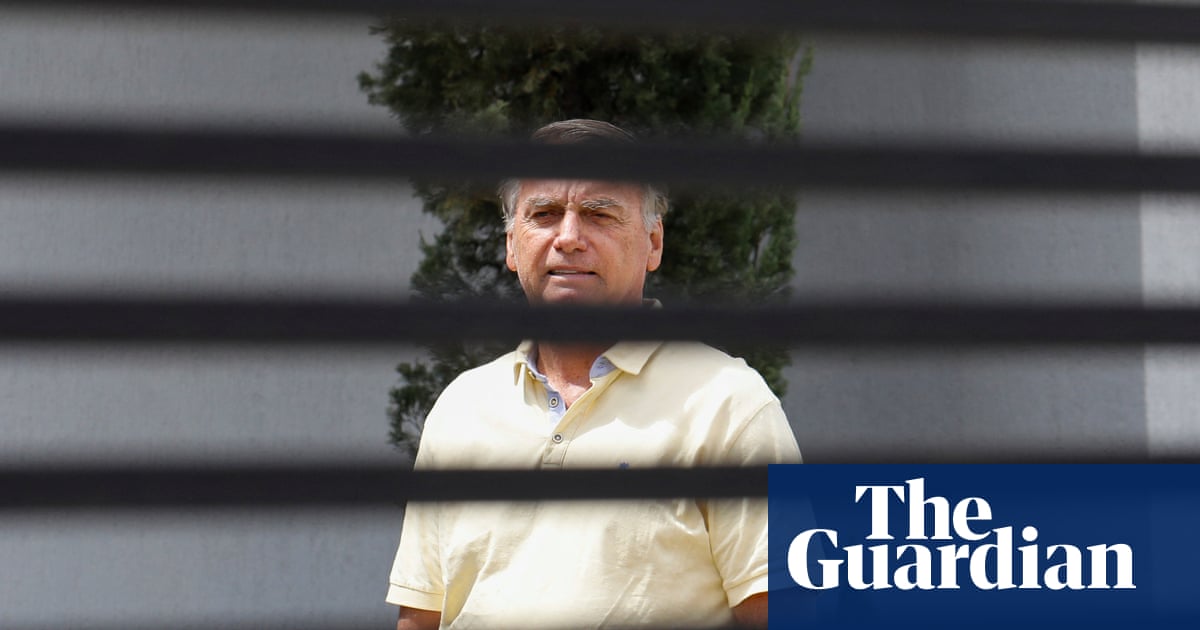
Brazil’s former president, Jair Bolsonaro, has been authorized to serve his 27-year sentence for attempting to subvert the country’s democratic institutions at his home in Brasília, following a recent hospitalization for pneumonia. The decision, handed down Tuesday by Supreme Court Justice Alexandre de Moraes, marks a significant shift in the legal proceedings against the former leader.
Bolsonaro, who governed from 2019 to 2022, was convicted of attempting a coup d’état aimed at overturning the results of the 2022 presidential election, which he lost to Luiz Inácio Lula da Silva. He was initially ordered to surrender his passport and was barred from holding public office for eight years. The move to house arrest comes after Bolsonaro was admitted to hospital on March 13th with pneumonia, and subsequently experienced kidney issues requiring a brief period in intensive care.
Justice Moraes stipulated that the house arrest will initially last for 90 days, after which the conditions for continued house arrest will be reassessed. This reassessment will include a medical evaluation to determine if the former president’s health continues to warrant the arrangement. According to the ruling, Bolsonaro must adhere to specific conditions, including the use of an electronic monitoring device, and restrictions on public statements, social media activity, and media interviews.
The decision follows a recommendation from Brazil’s Attorney General, Paulo Gonet, who signaled support for house arrest on Monday. Previously, Moraes had consistently denied requests from Bolsonaro’s legal team for humanitarian house arrest, citing the severity of the charges and the need to ensure the integrity of the legal process.
The attempted assassination of Bolsonaro in September 2018, during a campaign rally in Juiz de Fora, Minas Gerais, has been a recurring point of reference in discussions surrounding his health. He sustained a knife wound to the abdomen, requiring four surgeries and a prolonged recovery period. While the 2018 attack is not directly linked to the current decision regarding house arrest, it has been cited by supporters as evidence of the physical toll taken on the former president.
The unfolding situation also comes as Bolsonaro’s son, Senator Flávio Bolsonaro, is emerging as a potential presidential candidate in the upcoming October elections. Current polling data indicates a close race between Flávio Bolsonaro and incumbent President Lula da Silva, setting the stage for a potentially contentious election cycle.
Historically, Brazil’s Supreme Court has maintained a strict standard for reversing house arrest orders, requiring either a dramatic improvement in the detainee’s health or a violation of the established conditions. The court’s approach suggests a cautious stance towards any perceived leniency in the case, even given Bolsonaro’s health concerns.