
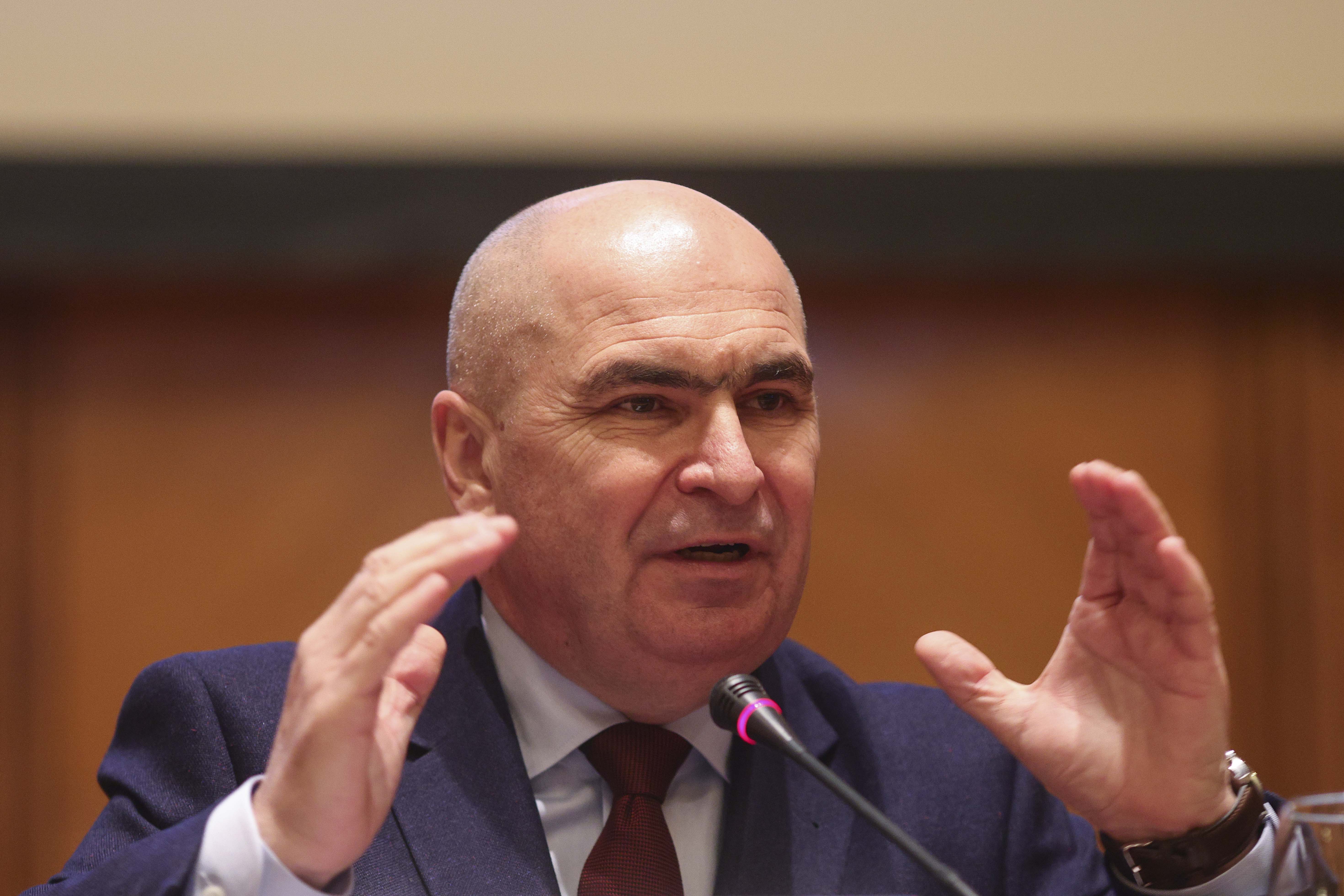
Romanian Prime Minister Ilie Bolojan proposed Tuesday that graduates of state-funded medical schools be required to practice in Romania for a minimum of two to five years following completion of their studies. The proposal, made during a debate with mayors organized by the National Association of Romanian Communes, aims to address imbalances in healthcare access between urban and rural areas.
“If you benefit, in our country, from medical training throughout your education – studies done on a budget, residency paid for by the Romanian state – you have an obligation to this country,” Bolojan stated, according to Agerpres. “And for at least a few years – two, three, four, five years – you must work somewhere in Romania. But let’s put this into practice.”
Bolojan highlighted a significant disparity between the number of medical school graduates and those entering the public healthcare sector. He noted that Romania produces approximately 7,000 medical school graduates annually, yet only around 1,000 enter public sector employment. A substantial number of Romanian doctors, he added, ultimately seek employment opportunities in other countries.
“Then, we will not have 7,000 graduates of medical faculties in Romania, about 4,000 in residency, and, after who knows how many years, about 1,000 employees in the public sector,” Bolojan said. “And the others, unfortunately, are lost, and we are in the first, second and third places, in many European countries, as a number of doctors. But for this, we must have the courage to make some decisions that sometimes do not sound good and, to distribute a part of our doctors where it is needed, in the more remote rural areas, in small urban areas and so on.”
The proposal comes amid ongoing debate regarding the distribution of medical professionals within Romania. According to a report from Romania Insider, the opposition recently filed a motion of no-confidence against Bolojan’s government, though it was ultimately rejected by parliament. The motion’s failure, as reported by Bloomberg, underscores the tensions surrounding the current political landscape and the challenges facing the Bolojan administration.
Romania’s healthcare system has faced persistent challenges related to staffing shortages and regional disparities. The government is as well currently navigating delays in rulings on key fiscal measures, as reported by Reuters, adding further complexity to the economic and political environment.
