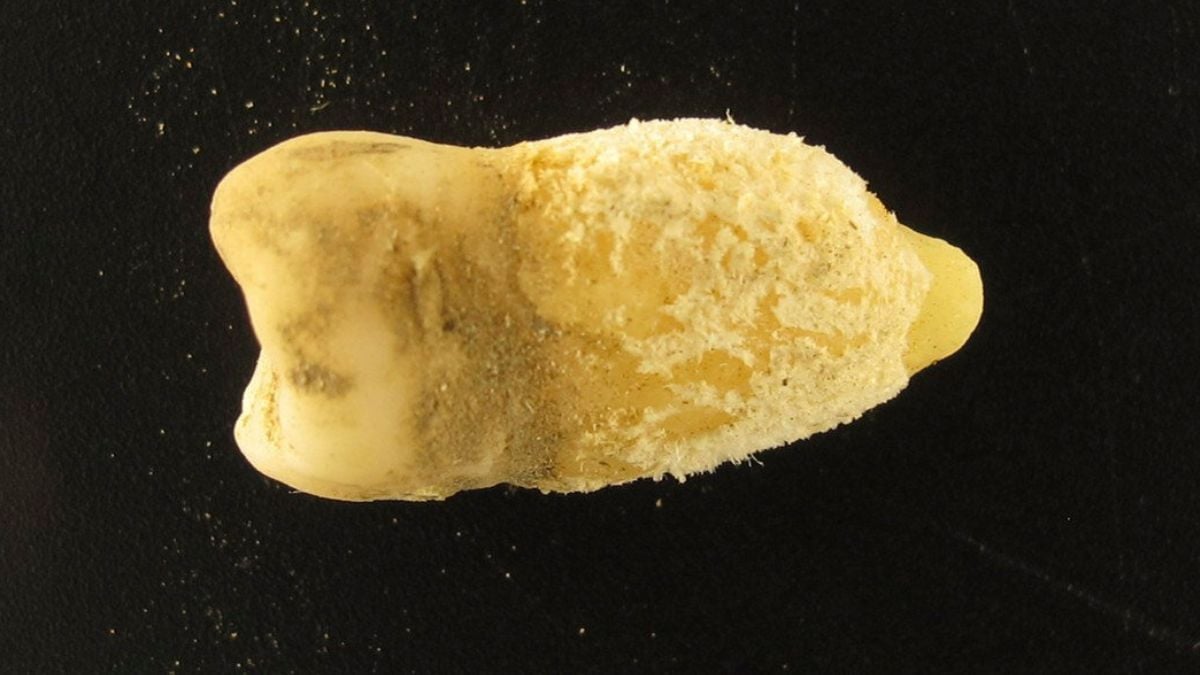
Bolivian Mummy’s Tooth Rewrites Scarlet Fever History
A 500-year-old Bolivian mummy’s molar has become an unexpected key to rewriting the medical history of scarlet fever, revealing that *Streptococcus pyogenes* strains causing the disease circulated in the Andes centuries before European contact. Genetic analysis of dental pulp extracted from the tooth showed the presence of *speC* and *speA* superantigen genes—virulence factors directly responsible for the characteristic rash and systemic inflammation of scarlet fever—challenging long-held assumptions that the disease emerged only after colonial-era pathogen exchange. This paleomicrobiological breakthrough, led by researchers at the University of Zurich and funded by the Swiss National Science Foundation (SNSF Grant No. 188752), provides the first direct molecular evidence of endemic streptococcal disease in pre-Columbian South America, suggesting a far more complex global trajectory for *S. Pyogenes* than previously modeled.
Key Clinical Takeaways:
- Ancient DNA from a Bolivian mummy confirms scarlet fever-causing *S. Pyogenes* strains existed in the Andes over 500 years ago, predating significant European contact.
- The discovery of *speA* and *speC* superantigen genes indicates the pathogen possessed full virulence potential for toxin-mediated disease, not just mild pharyngitis.
- This finding reshapes epidemiological models of streptococcal disease spread, implying independent evolution or ancient global dispersal of virulent strains long before the Columbian Exchange.
The study, published in Nature Communications (DOI: 10.1038/s41467-026-27891-0), employed shotgun metagenomic sequencing on dental pulp from a naturally mummified child estimated to be 8–10 years old at death, recovered from the high-altitude Chiribaya site in southern Peru near the Bolivian border. Unlike prior hypotheses that scarlet fever emerged in Europe during the 16th–17th centuries as a novel zoonotic spillover, the presence of both erythrogenic toxin genes (*speA* and *speC*) alongside core genome markers of *S. Pyogenes* M1 lineage suggests the bacterium was already capable of causing severe immunopathological disease in isolated Andean populations. Dr. Cristina Sánchez-Ramírez, lead paleopathologist at the University of Zurich’s Institute of Evolutionary Medicine, emphasized the implications:
“Finding intact virulence genes in this context forces us to reconsider the idea that scarlet fever was a ‘new’ disease of colonial contact. Instead, we may be seeing the tip of an iceberg—ancient, geographically diverse lineages of *S. Pyogenes* that caused episodic outbreaks long before globalization.”
This discovery carries tangible clinical relevance today. Scarlet fever, while less common in the antibiotic era, remains a notifiable condition in over 90 countries and has seen periodic resurgences, including a notable post-pandemic uptick in the UK and East Asia linked to new *emm1* clones with enhanced toxin production. Understanding the deep evolutionary history of *S. Pyogenes* virulence factors aids in anticipating how strains might evade immunity or acquire new pathogenic traits. For clinicians encountering atypical presentations of streptococcal toxin-mediated illness—such as toxic shock syndrome or severe cellulitis with atypical rash patterns—access to specialized infectious disease expertise is critical. Patients in regions with limited tropical medicine infrastructure should consider referral to vetted infectious disease specialists familiar with emerging streptococcal variants and atypical presentations.
Beyond clinical diagnosis, the findings underscore the importance of genomic surveillance in tracking pathogen evolution. Public health laboratories monitoring Group A Strain (GAS) outbreaks increasingly rely on whole-genome sequencing to detect shifts in emm types and toxin profiles—paralleling the paleogenomic approach used in this study. Institutions like the CDC’s Active Bacterial Core surveillance (ABCs) network and the EU’s EARS-Net now integrate virulence gene screening into routine reporting, recognizing that genes like *speA*, *speC* and *ssrA* are better predictors of invasive potential than emm type alone. For healthcare systems aiming to strengthen outbreak readiness, partnering with accredited public health laboratories equipped for rapid microbial genomics ensures timely detection of virulent strains before they spread.
Dr. James Musser, Chair of Pathology and Genomic Medicine at Houston Methodist Hospital and a leading authority on *S. Pyogenes* evolution, noted the broader significance:
“This ancient DNA evidence doesn’t just add a footnote to history—it recalibrates our molecular clock. If virulent strains were circulating in isolation 500 years ago, then the global diversity of *S. Pyogenes* is far older and more structured than we thought. That has implications for vaccine design, as we must target conserved virulence mechanisms, not just transient epitopes.”
The study was conducted in collaboration with Bolivia’s Instituto Nacional de Arqueología (INAR) and Peru’s Ministerio de Cultura, with ethical oversight provided by both nations’ cultural heritage councils. No commercial pharmaceutical funding influenced the research, preserving its integrity as a purely academic endeavor in paleogenomics. Moving forward, the research team plans to analyze additional dental samples from pre-Columbian burial sites across the Andes to map the geographic distribution of ancient virulent strains—a effort that could one day inform global GAS vaccine strategies targeting conserved superantigens.
As genomic archaeology continues to unveil the hidden histories of human pathogens, the line between ancient DNA research and modern infectious disease control grows thinner. Each recovered genome is not merely a relic but a data point in the ongoing effort to understand how bacteria adapt, persist, and cause disease across millennia. For medical professionals seeking to stay ahead of evolving streptococcal threats, connecting with trusted antimicrobial stewardship programs offers a practical pathway to align local prescribing practices with global resistance and virulence trends.
*Disclaimer: The information provided in this article is for educational and scientific communication purposes only and does not constitute medical advice. Always consult with a qualified healthcare provider regarding any medical condition, diagnosis, or treatment plan.*