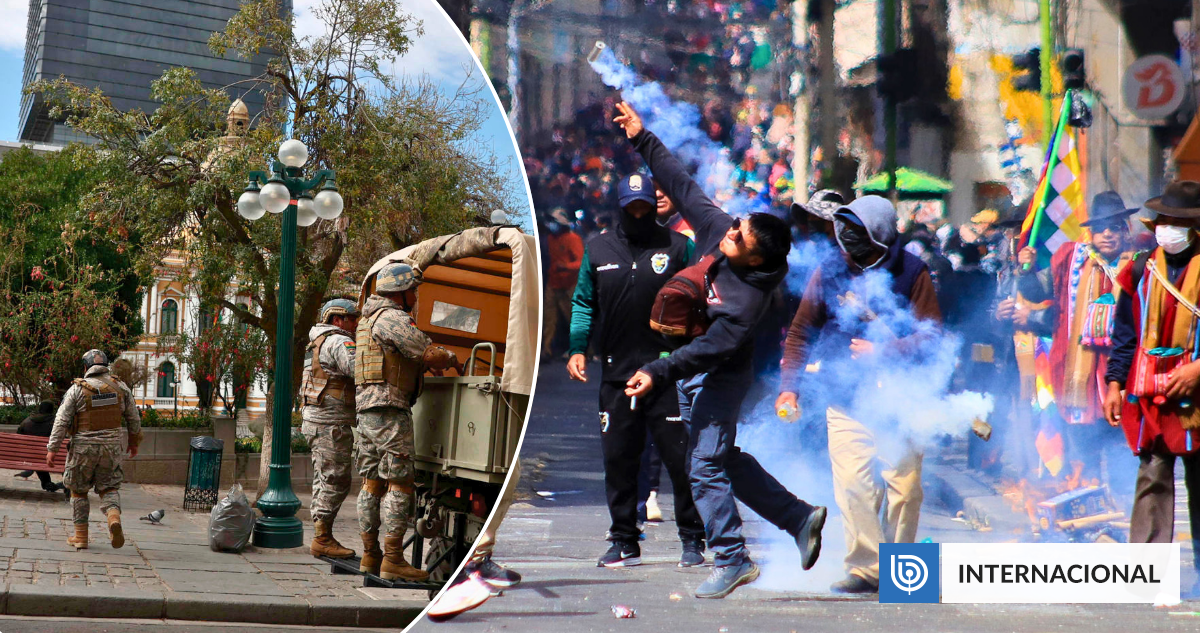
Bolivian Congress Authorizes Military Deployment to Combat Protests
Bolivia’s Congress has approved the repeal of the “Eva Copa” law, a legislative measure that previously restricted the government from declaring states of exception to suppress public protest. This decision grants President Rodrigo Paz the authority to deploy military forces to manage ongoing civil unrest across the country, particularly in La Paz.
The legislative shift marks a volatile turning point in Bolivian internal policy. By removing these legal constraints, the administration has fundamentally altered the state’s toolkit for addressing dissent. For citizens and businesses operating within the country, this transition signals a period of heightened uncertainty regarding public safety, freedom of assembly, and the stability of the local operating environment.
The Legislative Pivot: From Constraint to Command
The repeal of the law—named for former Senate leader Eva Copa—was pushed through the Chamber of Deputies and sent to the executive branch for formal adoption. The primary objective of this move is to provide the military with a clear mandate to intervene in domestic protests. Proponents within the government argue that this authority is necessary to restore order and protect public infrastructure, which have been frequently disrupted by demonstrations.
However, the move has met with immediate resistance. Women’s groups and various social organizations currently engaged in strike actions have publicly rejected the repeal, viewing it as a direct threat to civil liberties and a gateway to state-sanctioned repression. The tension is palpable in the streets of La Paz, where the presence of security forces is expected to increase significantly in the coming days.
The Risks to Commercial and Civil Continuity
For the average business owner or foreign investor, the volatility of this situation cannot be overstated. When the threshold for military intervention is lowered, the risk profile for physical assets, supply chain logistics, and personnel safety shifts rapidly. Organizations must now prepare for potential disruptions that go beyond standard civil disobedience.
Those with stakes in the region are already looking to insulate their operations from the fallout. Securing professional guidance is no longer a luxury but a necessity. Companies are now reaching out to international human rights and corporate legal counsel to understand their liability under the new, broader state-of-exception powers. Businesses with significant physical footprints in urban centers are coordinating with private risk management and security firms to develop contingency plans for rapid evacuation or facility protection.
Expert Perspectives on the Escalating Crisis
Legal analysts following the proceedings in the Plurinational Legislative Assembly suggest that the repeal may invite constitutional challenges. The debate centers on the balance between national security and the protection of democratic protest rights.
“The removal of the Eva Copa law is not merely a procedural change; it is a profound reallocation of power that prioritizes the state’s capacity for physical control over historical protections for dissent. The long-term impact on the social contract in Bolivia will likely be defined by how the military chooses to exercise this newfound mandate.”
This sentiment is echoed by community leaders who fear that the militarization of public order will deepen the polarization between the government and its critics. As the situation evolves, the primary concern for both NGOs and international observers is the potential for an escalation in violence should peaceful protests be met with force.
Navigating the New Regulatory Landscape
The transition necessitates a proactive approach to risk mitigation. Infrastructure projects, in particular, face increased scrutiny. Contractors and developers are finding that their existing permits and operational agreements may not account for scenarios involving state-mandated security zones or military cordons. Engaging local government relations consultants is vital for firms trying to navigate these shifting administrative requirements while maintaining regulatory compliance.
The following table outlines the current areas of concern for stakeholders as the government prepares to implement the new military deployment protocols:
| Sector | Primary Risk Factor | Recommended Mitigation |
|---|---|---|
| Logistics & Transport | Roadblocks and military checkpoints | Real-time transit monitoring and alternative route planning |
| Commercial Real Estate | Damage to storefronts and assets | Enhanced physical security and insurance gap analysis |
| Human Resources | Employee safety during transit | Flexible work-from-home policies and emergency comms |
Looking Ahead: The Cost of Stability
As the administration moves toward full implementation of these new powers, the focus remains on the streets of La Paz and the corridors of the Plurinational Legislative Assembly. The government’s assertion that it is merely restoring the rule of law is being tested against a populace that sees these measures as an infringement on their fundamental rights.
For those navigating this environment, the key to survival is not just resilience, but foresight. The landscape of Bolivian politics has shifted, and with it, the requirements for maintaining a stable presence in the country. Whether you are managing cross-border interests or local civil operations, the need for verified, ground-level intelligence and expert legal support has never been higher. As the situation progresses, connecting with established strategic advisory and crisis management teams will be the difference between maintaining operational continuity and facing unforeseen, potentially catastrophic, loss.
The path forward for Bolivia is fraught with the tension between the state’s desire for order and the public’s demand for voice. How the government wields its new military authority will ultimately determine whether this legislative action brings the desired stability or further inflames a nation already at a breaking point.