
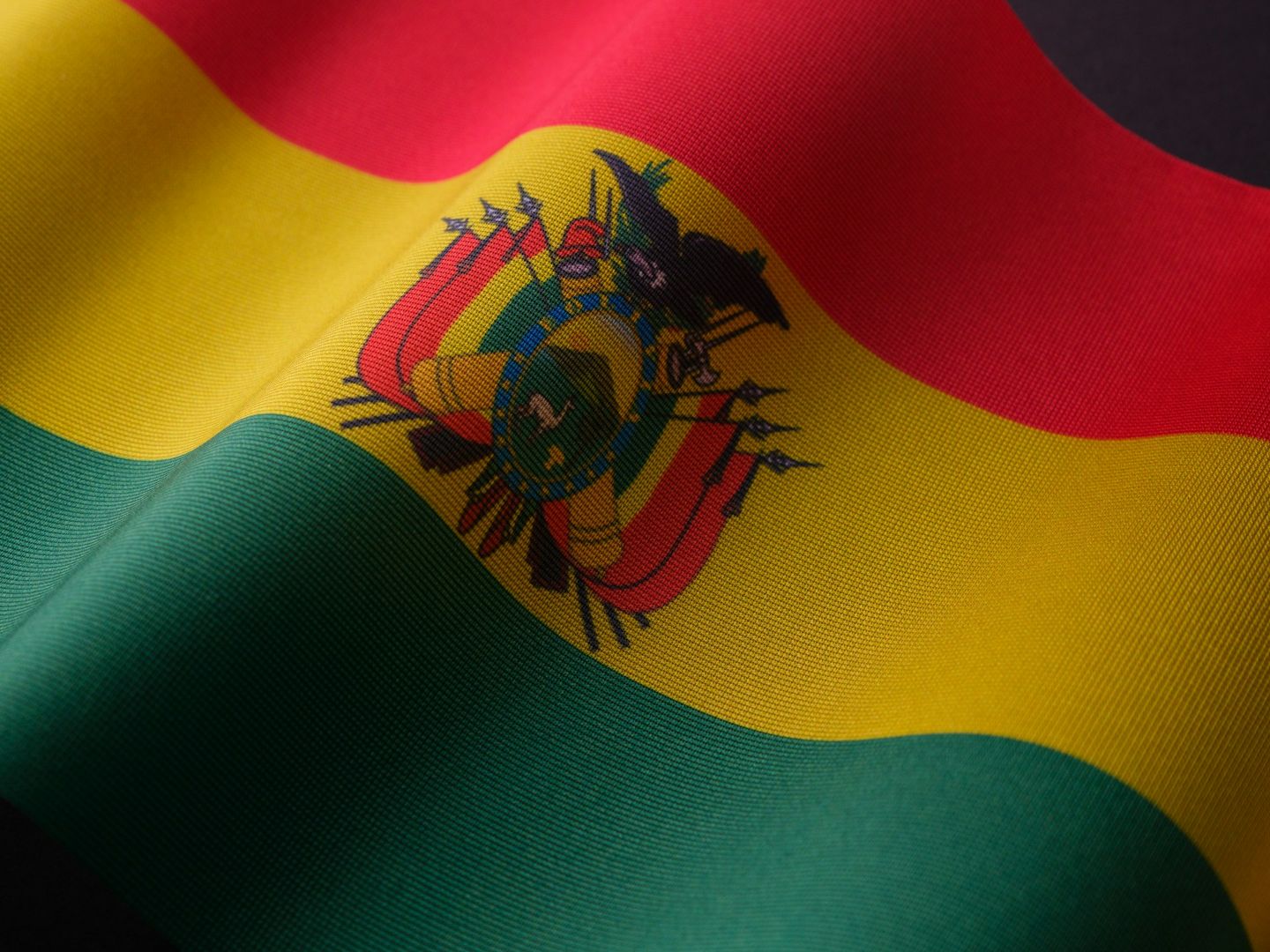
Bolivia partners with El Salvador on Digital Asset Regulation
Table of Contents
La Paz, bolivia – Bolivia’s central bank has formalized an agreement with El Salvador’s digital asset regulator, a move poised to shape the future of cryptocurrency adoption in the Andean nation.
The Central Bank of Bolivia (BCB) and El Salvador’s Comisión Nacional de Activos Digitales (CNAD) will collaborate on a thorough suite of crypto policy initiatives. This partnership, outlined in a newly signed memorandum of understanding, includes joint efforts in developing blockchain intelligence tools, establishing robust regulatory frameworks, and refining risk analysis models. The agreement is open-ended and effective immediately.
This policy evolution coincides with a significant surge in cryptocurrency usage within Bolivia. Data from the BCB indicates a dramatic increase in digital asset transaction volume,soaring from $46.5 million in June 2024 to $294 million in June 2025. This more than sixfold growth follows the enactment of Decree No. 082/2024, which broadened the permissible uses of cryptoassets across the country.
The collaboration leverages El Salvador’s pioneering experience as the first nation to adopt bitcoin as legal tender and to construct a formal digital asset regulatory system. The CNAD, established subsequent to El Salvador’s 2021 Bitcoin Law, is responsible for authorizing token offerings, registering digital asset service providers, and overseeing crypto-related platforms.
BCB Acting President Edwin rojas Ulo and CNAD President Juan Carlos Reyes García executed the agreement in La Paz. Both institutions are committed to exchanging best practices to bolster Bolivia’s objective of cultivating a transparent, inclusive, and well-regulated digital asset ecosystem, with a particular focus on serving populations traditionally underserved by conventional financial systems.
Historically, Bolivia has maintained a measured approach to cryptocurrencies. However, this agreement signifies a transition toward gradual regulatory engagement rather than outright prohibition. Officials have underscored that collaboration with El Salvador will be instrumental in modernizing Bolivia’s financial infrastructure while simultaneously ensuring stability and fostering innovation.
this accord positions Bolivia alongside an increasing number of nations actively exploring bespoke cryptocurrency regulations in response to rapid adoption, especially within Latin America. It also reinforces El Salvador’s growing influence as a regional leader in digital asset policy.
Evergreen Insights: Bolivia’s Crypto Journey
Bolivia’s recent embrace of digital assets marks a significant departure from its historically cautious stance. The nation’s journey toward cryptocurrency adoption has been influenced by global trends and the increasing demand for accessible financial tools. The passage of Decree No. 082/2024 was a pivotal moment, signaling a governmental willingness to explore the potential of cryptoassets. This partnership with El Salvador, a country that has boldly integrated bitcoin into its financial system, provides Bolivia with a valuable roadmap and expertise. The focus on regulatory frameworks and risk analysis underscores a commitment to responsible innovation, aiming to harness the benefits of digital finance while mitigating potential risks.
Frequently Asked Questions About Bolivia’s Crypto Agreement
- What is the primary goal of the agreement between Bolivia and El Salvador regarding digital assets?
- The primary goal is to develop a legal and technical framework for cryptocurrency adoption in bolivia, drawing on El Salvador’s experience.
- Which institutions are involved in this crypto partnership?
- The Central Bank of Bolivia (BCB) and El Salvador’s Comisión Nacional de activos Digitales (CNAD) are the key institutions involved.
- What specific areas will Bolivia and El Salvador collaborate on?
- Collaboration will focus on blockchain intelligence tools, regulatory frameworks, and risk analysis models for digital assets.
- How has crypto use accelerated in Bolivia?
- Digital asset transaction volume in Bolivia increased from $46.5 million in June 2024 to $294 million in June 2025, following the authorization of broader cryptoasset use.
- What is El Salvador’s role in this agreement?
- El Salvador is sharing its experience as the first country to adopt bitcoin as legal tender and establish a formal digital asset regulatory system.
- What does this agreement signify for bolivia’s approach to cryptocurrencies?
- The agreement signals a move toward gradual regulatory engagement and modernization of financial infrastructure, rather than restriction.
What are your thoughts on Bolivia’s strategic move into digital asset regulation? Share your insights in the comments below and subscribe to World Today News for more updates on global financial innovation!
