Boise State Public Radio: Idaho commuters ride bikes as gas prices rise
As gas prices hit an all-time high, some commuters in Idaho are trading their cars for bicycles to escape rising fuel costs, according to boisestatepublicradio.org.
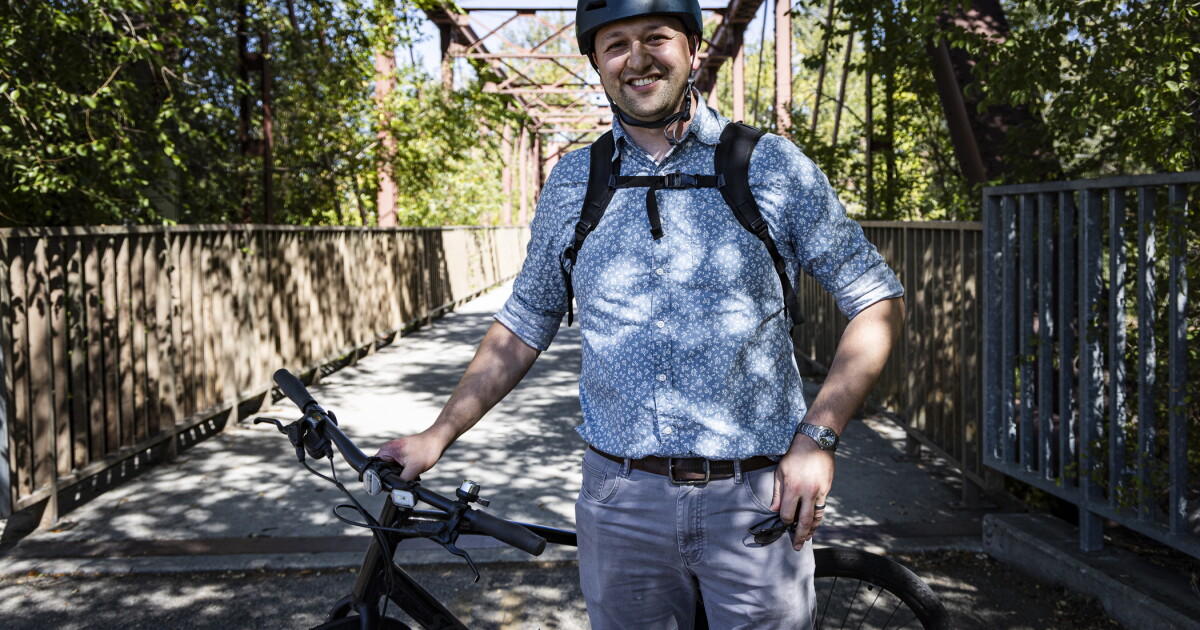
Garrett Neese Chooses Cycling for Boise Commute
Rising pump prices have forced many motorists to rethink their daily transportation choices. Commuters are discovering that pedal power offers a viable alternative to car payments, insurance premiums, and volatile fuel markets.
Garrett Neese shared his experience with reporter Mohammad Nawabi on the streets of Boise.
I like using the bike because I can use the green belt and I get places probably about just as quick, but I don’t have to worry about insurance and car payments and stuff like that.
Neese noted that while cars offer long-distance travel, the current cost of fuel softens the inconvenience of relying solely on a bicycle.
Cathleen Sanborn Uses Bike for Wallace Errands
In North Idaho, residents of smaller communities are also adapting their daily routines. Cathleen Sanborn lives in Wallace, Idaho, where town layouts make cycling a practical choice for running errands and grocery shopping.
Sanborn purchased her bike in July when gas prices were lower, a timing decision she now views with relief.
If I don’t need to drive a car, I don’t want to drive a car. I would much rather be outside. And so the gas prices really pushed me into doing it.
Sanborn explained that ditching her vehicle for short trips benefits both her personal finances and the environment.
Bryan Bennion and the Long-Term Savings of Going Car-Free
For some residents, the shift away from driving began long before the current price spikes. Bryan Bennion has lived in Boise for about nine years and lives roughly three miles from his office, utilizing the greenbelt almost daily.
Bennion recounted how financial pressures six or seven years ago prompted him and his household to sell their car entirely.
We were having a hard time paying for both the cost of the car and the insurance and the gas. We sold that and saved us a lot of money in the long term.
Eliminating vehicle expenses provided sustained financial relief well before recent market peaks.
It is unclear whether this cycling trend will persist or reverse if fuel costs decline as more commuters weigh the daily trade-offs of urban mobility.