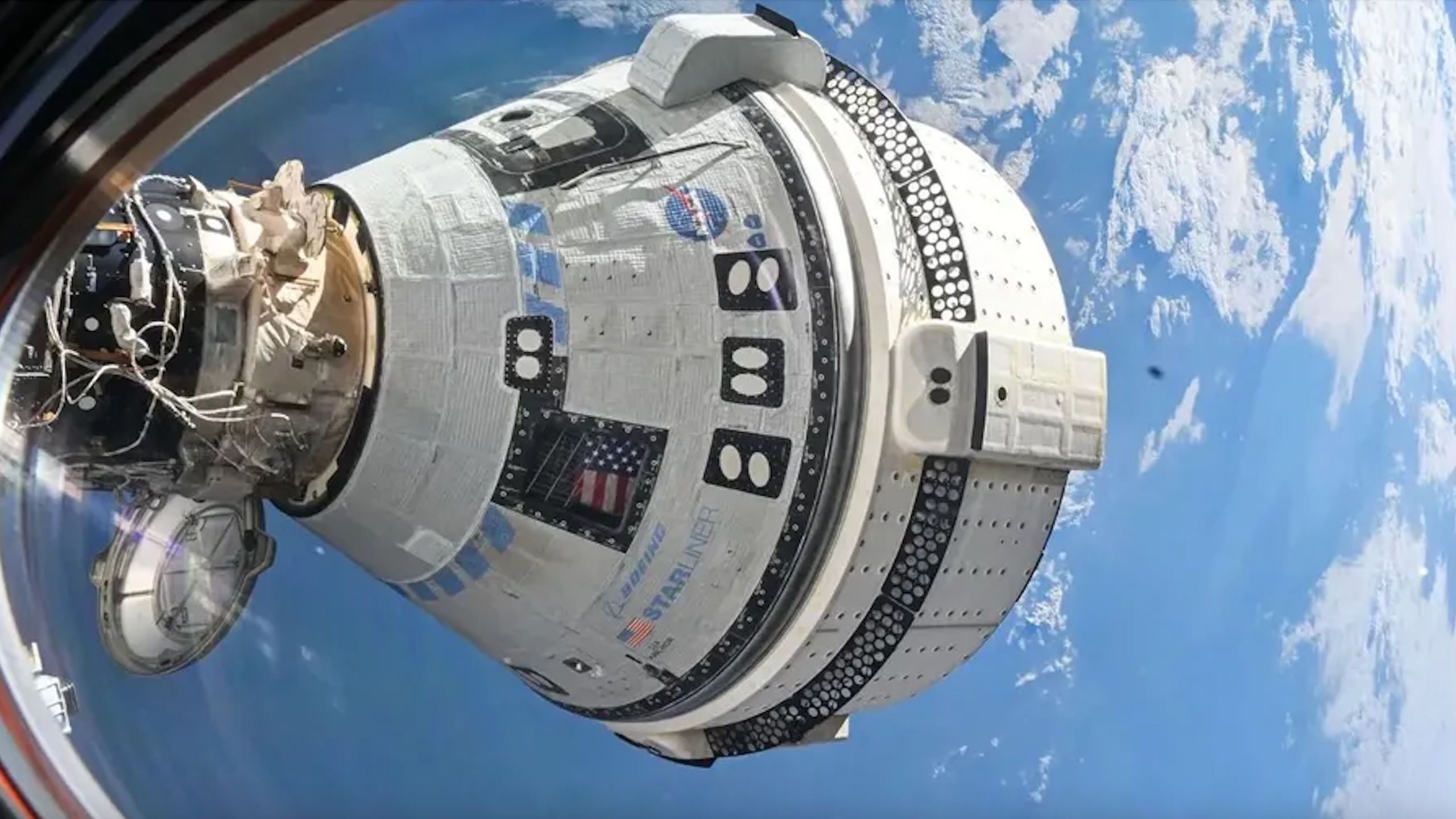
Boeing Starliner Targeted for Crewed Flight in 2028 After NASA Delay
Boeing Starliner Grounded Until 2028 as NASA Plans Uncrewed Test Flight
Boeing’s Starliner spacecraft will fly astronauts again in 2028, according to an update announced by NASA. The schedule adjustment follows a series of propulsion system anomalies and helium leaks that forced NASA to return astronauts Suni Williams and Butch Wilmore to Earth aboard a SpaceX Crew Dragon capsule in March 2025 rather than the Boeing vehicle.
Essential Mission Timelines and Technical Updates
- Uncrewed Test Flight: Starliner is scheduled to execute an uncrewed test flight to the International Space Station this coming December or January to evaluate initial engineering modifications.
- Crewed Launch Target: The next human spaceflight mission, designated Starliner-2, is targeted to lift off in mid-2028 and will be commanded by veteran NASA astronaut Woody Hoburg.
- System Overhauls: Boeing has replaced oxidizer seal materials, instituted hydrazine propellant flushing protocols, and deployed continuous environmental purge procedures to isolate reaction control system thrusters.
Troubleshooting Propulsion Anomalies and Seal Degradation
The groundings and schedule delays stem from hardware failures encountered during the Crew Flight Test (CFT) mission launched in June 2024. Shortly after Starliner separated from its launch vehicle, mission controllers tracked helium leaks alongside the failure of five out of 28 reaction control system (RCS) thrusters. Despite these hurdles, the spacecraft docked safely with the International Space Station.
Dana Weigel, manager of NASA’s Low Earth Orbit Program, explained during a press conference that helium leaks were traced to valve degradation caused by exposure to nitrogen tetroxide, the oxidizer utilized in the propulsion system. “That is why the material of the seal was changed,” Weigel stated, adding that engineers also selected seals on the larger side of the tolerance spectrum and that Boeing has already implemented these changes on the upcoming Starliner-1 spacecraft.

Engineering teams identified corrosion as the root cause of the crew module thruster anomalies. This corrosion resulted from residual hydrazine propellant combining with carbon dioxide present in the atmosphere. To mitigate this risk, Boeing established procedures to flush out the hydrazine and flow a continuous purge to isolate the thrusters from atmospheric exposure.
Starliner Flight Architecture and Historical Context
The development roadmap includes distinct software and hardware checkpoints before crewed operations resume. Starliner-1 will serve as an uncrewed test flight, though not all service module modifications will fly on this specific iteration. Following the Starliner-1 flight, NASA and Boeing will finalize service module thruster valve design modifications. Boeing will also install new crew module thrusters, batteries, and minor parachute system adjustments designed to increase performance and reliability.
This phased approach contrasts sharply with the operational cadence maintained by competing providers under NASA’s commercial crew program. NASA awarded commercial crew contracts to both Boeing and SpaceX in 2014. While SpaceX successfully executed its crew flight test in 2020 and is currently preparing for its 13th operational astronaut mission to the space station, Starliner has remained grounded since September 2024, when it returned uncrewed from the ISS.
Despite the setbacks and NASA’s formal classification of the CFT mission as a “Type A mishap” in February 2025, the agency maintains its requirement for dual, redundant private astronaut transportation systems. Woody Hoburg, assigned to command the Starliner-2 mission, expressed confidence in the platform during the agency update. “I’ve flown a lot of types of aircraft, and let me tell you, Starliner is a pilot’s spacecraft,” Hoburg said, noting that the vehicle provides crews with direct capabilities to handle off-nominal flight events.
Disclaimer: The technical analyses and security protocols detailed in this article are for informational purposes only. Always consult with certified IT and cybersecurity professionals before altering enterprise networks or handling sensitive data.