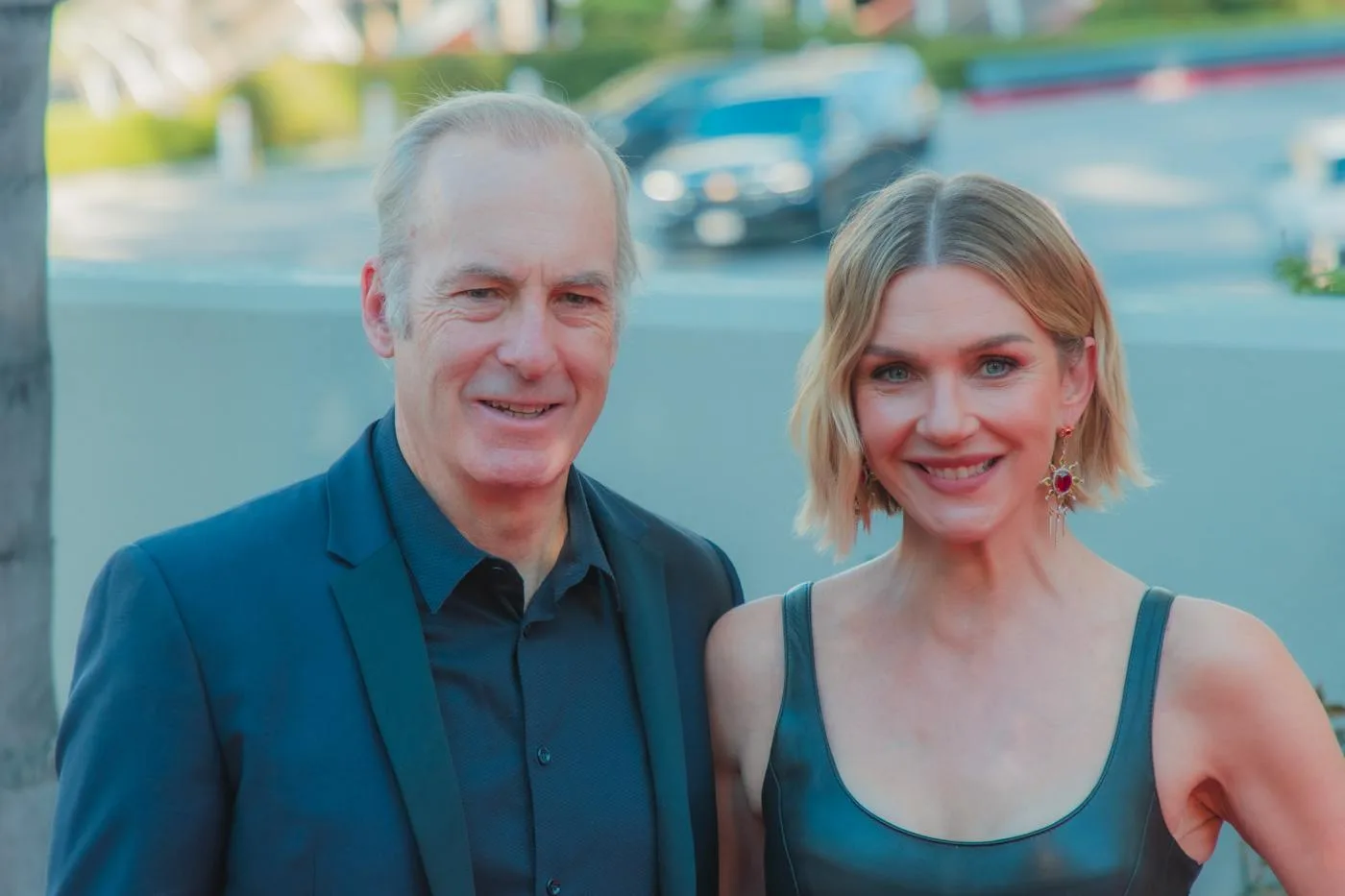
Bob Odenkirk stars in action films Nobody 2 and Normal
Bob Odenkirk balances his established career in sketch comedy and television drama with a growing portfolio of action films, marked by the release of Nobody, its sequel, and the Midwestern thriller Normal.
Hutch and the Gap Between Appearances and Experience
Universal’s synopsis introduces Hutch as an overlooked father and husband whose response to a robbery reveals unexpected fighting ability. The story moves from domestic indignities to revenge. Its central contrast remains clear before any detailed plot discussion: the man others underestimate possesses a capacity for violence that they have failed to recognise.
That dynamic creates a performance problem alongside an action premise. If the everyday figure and the fighter feel entirely unrelated, the transformation loses its tension. An audience needs to understand why other characters overlook him while still accepting the person revealed later. Odenkirk’s established screen familiarity becomes part of the way viewers approach that contrast.
Nobody 2, released in 2025, brings Hutch back as an overworked assassin seeking a family break. Universal sets the vacation in a resort destination, where a clash with local toughs pulls the relatives into a syndicate leader’s web. Timo Tjahjanto directs, with returning collaborators including Connie Nielsen, Christopher Lloyd, and RZA in the cast.
Normal Gives the Action Story Another Setting
Normal places Odenkirk in the role of Ulysses, a temporary sheriff assigned to a Midwestern town. Magnolia summarizes the assignment as an effort to find relief from personal and professional pressures. A botched bank robbery exposes a secret beneath the town’s quiet appearance, with Henry Winkler playing its mayor.
Ben Wheatley is credited as director by the studio, which also features an ensemble starring Lena Headey and Jess McLeod alongside Odenkirk and Winkler. The film’s American theatrical engagements included April 2026. This project is entirely separate from Nobody 2, even though both belong in a discussion of Odenkirk’s recent action work.
The settings create different expectations. A family holiday promises relaxation; a quiet town promises an uneventful posting. Both supply a contrast when a thriller introduces danger. This compares the published premises rather than claiming the films share the same story, fictional universe, or ending.
The Comedy and Drama Behind the Action Roles
The Television Academy records writing work on Saturday Night Live and The Ben Stiller Show before Mr. Show, which Odenkirk created with David Cross. His official profile additionally lists him as the director of Melvin Goes to Dinner, Let’s Go to Prison, and The Brothers Solomon. That background makes his career broader than a simple move from one acting genre to another.
Helmed by showrunners Vince Gilligan and Peter Gould, Better Call Saul revisited the attorney initially introduced in Breaking Bad to chart the formative years of Jimmy McGill. The protagonist’s interactions with various individuals, such as Kim Wexler (portrayed by Rhea Seehorn), positioned dialogue, persuasion, and evolving dynamics at the core of the narrative.
An action film asks for a different balance. Physical events must be readable, danger must be communicated, and the character still needs a reason to matter between set pieces. Comedy, drama, and action each make use of timing, but in different ways. A pause can prepare a joke, reveal hesitation, or allow a threat to register.
For audiences tracking Odenkirk’s output across these titles, examining the extent to which each persona conceals aspects of themselves from others serves as a helpful metric. Saul works through language and presentation. Hutch’s premise depends on being underestimated. Ulysses arrives in a town whose appearance conceals something else. While these parts differ from one another, they all maintain a discrepancy between initial appearances and the truths later uncovered by the plot.