BMW Group Simplifies Capital Structure via Share Conversion
BMW AG is simplifying its capital structure by converting all preferred shares into ordinary shares, a move approved by an overwhelming majority of shareholders on May 13, 2026. The transition consolidates the company’s €615.8 million share capital into a single class of voting ordinary shares to increase the stock’s overall market attractiveness.
For the institutional investor, a fragmented capital structure is often a friction point. The existence of non-voting preferred shares—while providing a safety net via fixed dividend preferences—can create a liquidity gap and complicate the governance profile of a blue-chip entity. When a company operates with a split between voting and non-voting equity, it essentially maintains two different classes of stakeholders with divergent incentives. BMW is effectively erasing this divide.
This shift is not merely an administrative cleanup; it is a strategic repositioning of the company’s equity profile. For firms navigating similar transitions, the process requires surgical precision in legal drafting, often necessitating the expertise of elite corporate law firms to ensure that amendments to the Articles of Association are airtight and compliant with commercial register requirements.
The Boardroom Mandate: Efficiency Over Complexity
The decision to move toward a unified share structure was met with nearly unanimous support. At the Annual General Meeting of BMW AG, approval for the conversion reached 99.99%. The separate meeting specifically for preferred shareholders was nearly as decisive, with a 99.77% approval rate. This level of consensus suggests that preferred shareholders are more than willing to trade their fixed dividend preference for the power of the vote.
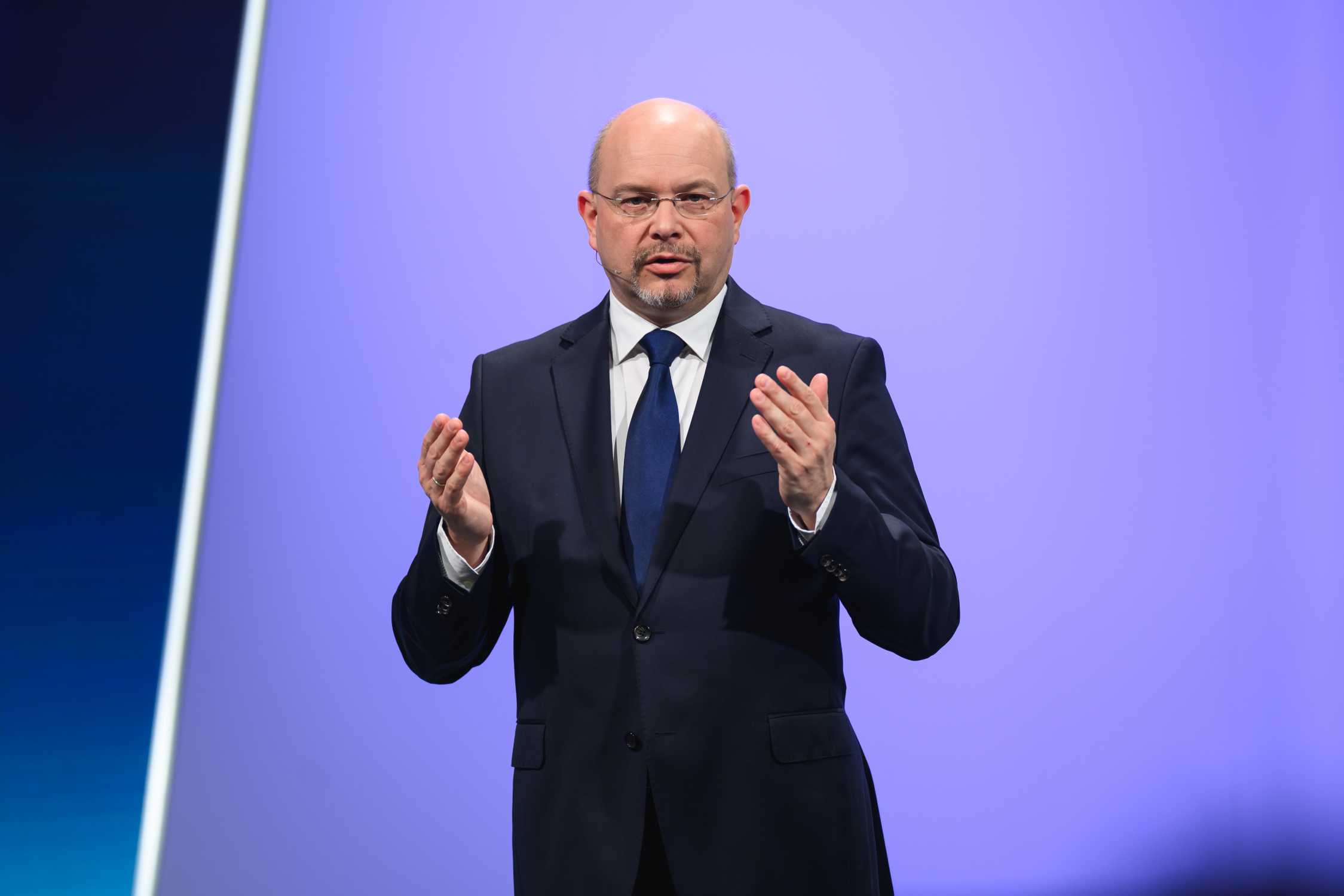
“Increasing the attractiveness of the BMW share,” stated CFO Walter Mertl, framing the move as a direct play for investor appeal.
Currently, the capital structure is heavily weighted toward voting shares, with approximately 91% of BMW AG’s share capital consisting of ordinary shares. The remaining 9% comprised the non-voting preferred shares. While this 9% slice was slight in relative terms, it carried a fixed dividend preference of €0.02 per share—a legacy financial instrument that provided a predictable, albeit modest, return.

The timing is precise. The dividend preference for these preferred shares will be applied for the final time for the 2025 financial year. By the time the conversion is fully registered in the commercial register, the era of the preferred BMW share will have concluded, replaced by a streamlined, single-class equity model.
Managing such a pivot requires a sophisticated communication strategy to prevent market volatility. Many global enterprises employ investor relations consultants to bridge the information gap between the boardroom and the retail shareholder, ensuring that the value proposition of the conversion—trading a few cents of preference for full voting rights—is clearly understood.
The Mechanics of Capital Consolidation
From a balance sheet perspective, the total amount of share capital remains untouched. According to the Report of the Board of Management to the Shareholders’ Meetings, the share capital will remain at exactly €615,810,431. The conversion is a transformation of the nature of the shares, not the volume of the capital.
The future state of the company’s equity is straightforward: 615,810,431 bearer ordinary shares, each with a par value of €1. By eliminating the preferred class, BMW removes a layer of complexity from its cap table. This simplification reduces the administrative burden of holding separate meetings for different shareholder classes and streamlines the voting process for all future corporate actions.
The conversion is being executed via an amendment to the Articles of Association. Crucially, there is no additional payment obligation for the preferred shareholders. They are not “buying” into the ordinary shares; they are being transitioned into them by corporate decree, backed by the overwhelming majority of their peers.
Such structural overhauls are often the precursor to larger fiscal strategies. Whether the goal is to facilitate easier mergers, attract a different tier of institutional liquidity, or simply modernize corporate governance, the move reflects a broader trend toward “one share, one vote” parity in European markets. Companies seeking to optimize their equity for such moves often engage financial advisory services to model the impact on share price and liquidity premiums.
Market Implications and the Liquidity Premium
The elimination of non-voting shares typically enhances the liquidity of a stock. Institutional funds, particularly those governed by strict ESG or governance mandates, often avoid non-voting shares because they limit the fund’s ability to exercise stewardship or influence corporate direction. By converting that 9% of non-voting equity into voting shares, BMW potentially opens its doors to a wider array of institutional capital.

The “attractiveness” Mertl referenced is likely a nod to this liquidity premium. In a volatile global economy, simplicity is a commodity. A single class of bearer ordinary shares is the most liquid and transparent form of equity, making the stock easier to trade, value, and hold in large blocks.
The transition will become effective upon the registration of the amendment to the Articles of Association in the commercial register. BMW AG has committed to announcing the exact timing of this effectiveness via public notice, ensuring the market is synchronized with the legal reality of the new share structure.
As BMW moves forward, the focus shifts from the structure of the capital to the performance of the assets. The corporate simplification is the foundation; the actual value will continue to be driven by the company’s ability to navigate the transition to electric mobility and maintain its luxury margins in an increasingly competitive landscape.
For executives and board members observing this move, the lesson is clear: capital structures that served a purpose in the past can become anchors in the present. The ability to pivot quickly—supported by a mandate from shareholders—is a competitive advantage. To find the vetted legal and financial partners capable of executing these complex corporate transformations, the World Today News Directory remains the definitive resource for global B2B excellence.