
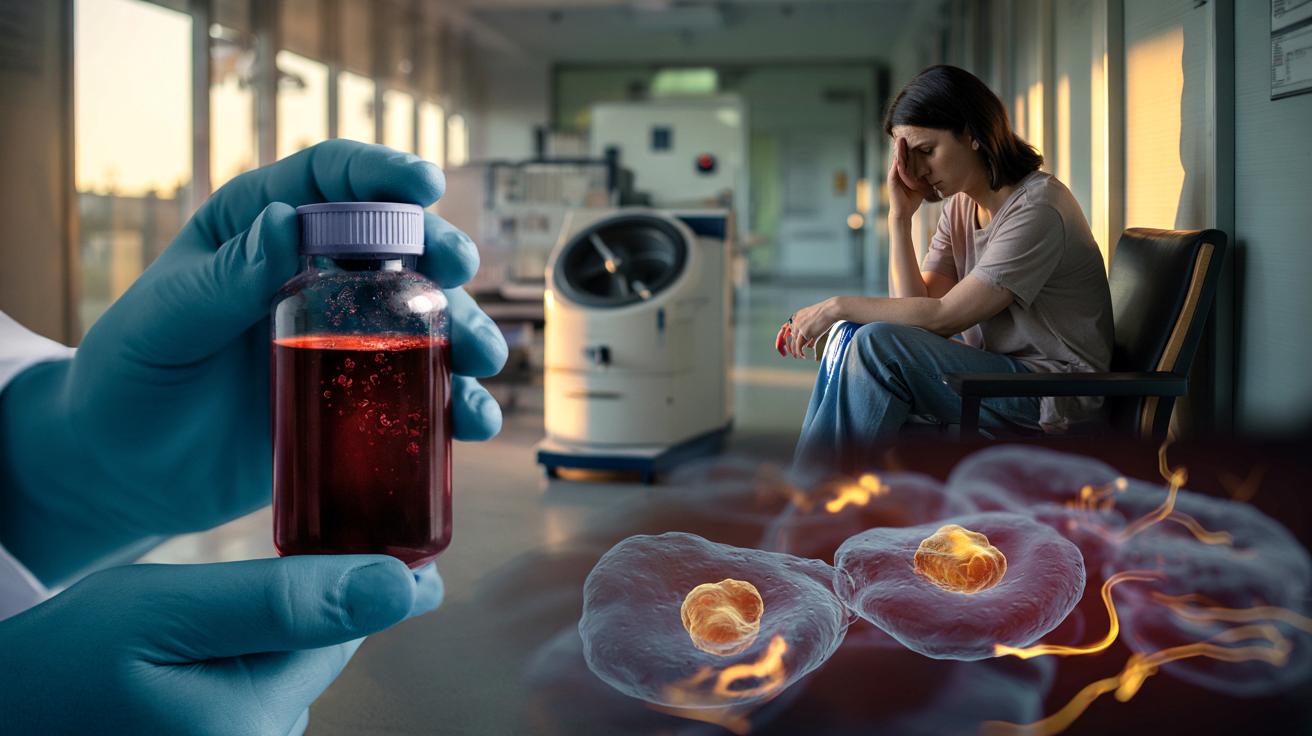
Blood Test Breakthrough Offers New Hope for Understanding ME/CFS and Long Covid
A new blood test showing distinct biological markers in individuals with Myalgic Encephalomyelitis/Chronic Fatigue Syndrome (ME/CFS) and some experiencing Long Covid is offering a potential turning point in diagnosis and treatment, though widespread availability remains some time away.
For years, those suffering from debilitating fatigue have faced skepticism and a lack of objective diagnostic tools. Now, research indicates a measurable biological footprint for these conditions, moving beyond subjective symptom reporting. The test, currently undergoing further validation, analyzes how immune cells respond to stress, revealing unique patterns in those with ME/CFS and certain Long Covid patients.
“What the new data does give is a direction – from hand-waving to measurable pathways,” the article states, highlighting a shift towards a more scientific understanding of these complex illnesses.
How the Test Works
Labs are employing various methods to assess cellular energy handling. These include exposing blood cells to mild stress and tracking energy use, oxygen flow, and electrical or metabolic signals. Some research teams are also investigating protein “signatures” and clotting by-products linked to symptom severity. The goal is to identify a repeatable pattern indicative of the underlying biological dysfunction.
Early Stages, Promising Results
While the findings are encouraging, experts emphasize the research is still in its early stages.Studies conducted so far have been small to medium-sized and require larger trials, standardization, and regulatory approval before the test can be widely implemented.
What This Means for Patients Now
Despite the timeline for widespread access, the development of this test offers immediate benefits for patients. Experts recommend:
* Symptom Snapshot: Bring a detailed, one-page summary of your symptoms to appointments.
* Pacing: Utilize pacing strategies to manage energy expenditure and reduce symptom flares.
* Return-to-Work Support: Request a phased return-to-work letter and explore workplace adjustments.
* referrals: Discuss potential referrals to fatigue clinics, pain services, or for sleep assessments.
* Sick Note Clarity: Ensure sick notes focus on functional limitations rather than simply labeling the condition.
* Rehabilitation Options: Inquire about eligibility for community rehabilitation or occupational therapy.
* Awareness of Red Flags: Be vigilant for concerning symptoms like chest pain, fainting, sudden weight loss, or persistent high fever, which require urgent medical review.
Timeline for GP Access
The best-case scenario estimates GP access within a couple of years, contingent on prosperous trials and regulatory approvals.Though,it’s more likely the test will initially be available in specialist centers or research clinics before becoming integrated into mainstream healthcare. Funding,consensus on the most effective assay,and patient demand will all influence the rollout.
A Shift in Viewpoint
The emergence of a biological marker is expected to change the conversation surrounding ME/CFS and Long Covid. “The science backs your experience, which can shift conversations in appointments and at work,” the article notes, suggesting a future with fewer raised eyebrows and more practical support. This validation could also pave the way for targeted treatment trials, focusing on individuals with the specific biological markers, rather than a broad “tired” category.
FAQ highlights:
* Diagnosis: The test is unlikely to provide a definitive “yes/no” diagnosis initially, but will likely serve as a biomarker to support clinical assessment.
* Accuracy: Researchers are actively working to improve the test’s sensitivity and specificity to minimize false results.
* Limitations: No single test will capture the complexity of these conditions, and some cases may be missed.
This breakthrough represents a meaningful step forward in understanding and validating the lived experiences of those with ME/CFS and Long Covid, offering a glimmer of hope for improved diagnosis, treatment, and support.
