
A novel blood test shows promise in identifying head and neck cancer patients at higher risk of relapse, researchers announced Tuesday. The test, developed by a team at the Centenary Institute, Chris O’Brien Lifehouse, NSW Health Pathology and Royal Prince Alfred Hospital, detects circulating tumour cells (CTCs) in the bloodstream after surgery.
Around 5,500 Australians are diagnosed with head and neck cancer annually, affecting areas like the mouth, throat, and voice box. While treatment is often initially successful, a significant proportion of patients experience cancer recurrence, frequently without clear early indicators. Current follow-up care relies heavily on scans and clinical examinations, which researchers say can be insufficient in identifying those most vulnerable to relapse.
The study, published in the European Journal of Surgical Oncology, focused on CTCs – cancer cells that have detached from the primary tumour and entered the bloodstream. Analysis of blood samples taken from patients following surgery revealed a correlation between the presence of these cells and a heightened likelihood of cancer returning.
“At the moment, follow-up care relies heavily on scans and clinical examinations, which don’t always clearly identify who is most at risk of early relapse,” said Professor Jonathan Clark AM, Director of Head and Neck Cancer Research at Chris O’Brien Lifehouse and co-senior author of the study. “Our findings suggest that detecting circulating tumour cells could provide additional information to help identify patients who may benefit from closer monitoring after surgery.”
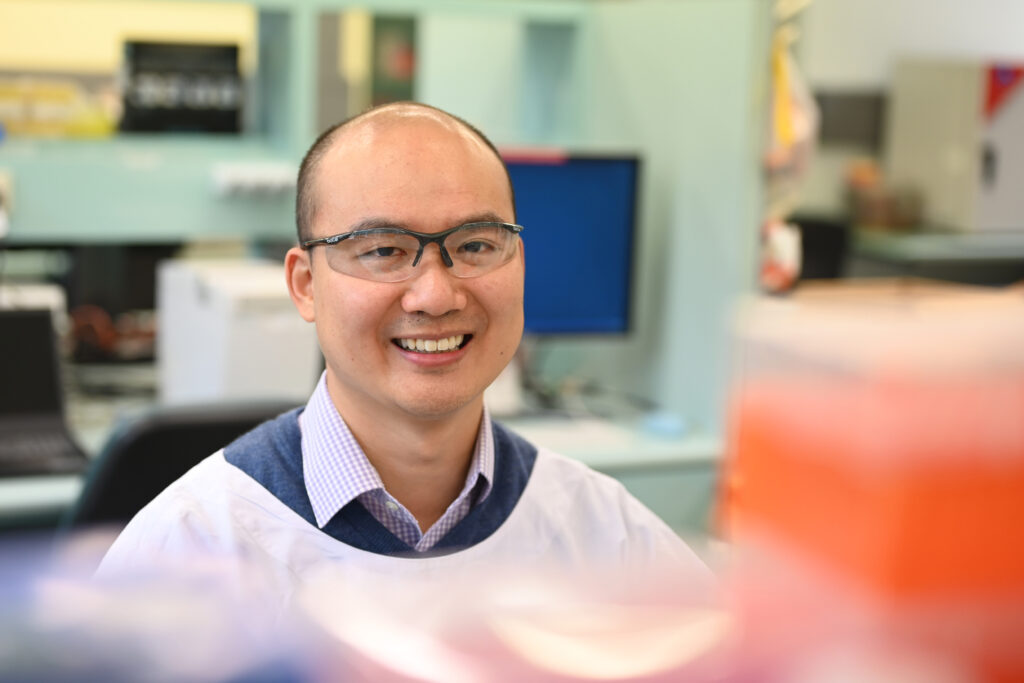
Dr. Dannel Yeo, lead author of the study and a Laboratory Head at the Centenary Institute’s Centre for Cancer Innovations, added that the blood test is intended to complement existing diagnostic methods, not replace them. “This approach could help tailor follow-up care ensuring patients at higher risk receive closer surveillance,” she said.
Professor Ruta Gupta, co-senior author and Clinical Director of the Department of Tissue Pathology and Diagnostic Oncology at Royal Prince Alfred Hospital, NSW Health Pathology, emphasized the potential for improved clinical decision-making. “This research is about supporting more informed clinical decision making,” she stated.
The Sydney Head and Neck Cancer Institute (SHNCI), affiliated with Chris O’Brien Lifehouse, maintains the largest database and biobank for this type of cancer in Australia, supporting research efforts to improve patient outcomes. The institute, founded in 2002 by the late Professor Christopher O’Brien, also funds clinical fellowships in head and neck surgery.
Researchers caution that further clinical trials are necessary before CTC testing can be routinely implemented. However, they believe the findings contribute to a growing body of evidence supporting the use of blood-based biomarkers for more personalized cancer care. The Centenary Institute, a leading medical research institute affiliated with the University of Sydney and Royal Prince Alfred Hospital, is continuing to investigate the potential of these biomarkers.
