
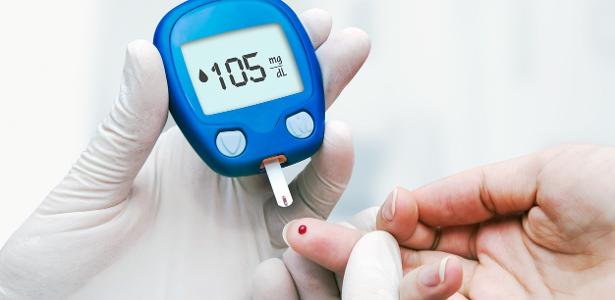
The Hidden Dangers of blood Sugar Spikes
Rapid fluctuations in blood sugar levels can trigger a cascade of negative health effects, often without noticeable symptoms. According to experts, these “glycemic spikes” initiate an inflammatory response, increasing the production of free radicals and causing subtle damage to the delicate lining of blood vessels (the endothelium). This damage promotes the buildup of arterial plaque (atherosclerosis) and reduces blood vessel flexibility.
Over time, this process considerably increases the risk of developing hypertension and heart disease, while also exacerbating unhealthy cholesterol levels. Worryingly, these effects often go undetected.
Certain individuals are notably susceptible to these damaging blood sugar swings. Factors like age (over 40), being overweight, a family history of diabetes, and a lack of physical activity all contribute to a higher propensity for glycemic spikes. even individuals with a normal weight can be at risk if they have accumulated visceral fat – fat stored around the abdominal organs – which can lead to insulin resistance.
Proactive Monitoring & Prevention
Fortunately, identifying and addressing these issues early is possible. A thorough assessment of blood sugar control goes beyond standard fasting glucose and A1C tests.Doctors recommend incorporating tests like the insulin glycemic curve (to assess the body’s response to glucose), HOMA-IR (calculated from fasting glucose and insulin), and C-peptide (to distinguish between insulin resistance and pancreatic issues). A complete lipid profile (cholesterol and triglycerides) and a measurement of ultrasensitive C-reactive protein (an indicator of inflammation) are also crucial.
Further monitoring options include glucose tolerance tests, which evaluate the body’s reaction after sugar intake, and continuous glucose monitoring sensors, which provide a detailed record of blood sugar variations throughout the day.
By understanding the risks and proactively monitoring blood sugar levels, individuals can take steps to protect their cardiovascular health and overall well-being.
