Blood Donation Limits: The Truth About Annual Caps
Maintaining a stable national blood supply requires consistent donor turnout, yet seasonal travel disruptions and vacation schedules frequently cause severe inventory drops. As blood collection agencies monitor supply levels ahead of peak holiday periods, public health officials emphasize that voluntary donations remain an indispensable component of emergency healthcare infrastructure. Per data tracked by the European Blood Alliance and international transfusion registries, whole blood donations are subject to strict annual frequency caps designed to protect donor iron stores and overall physiological homeostasis.
Key Clinical Takeaways:
- Whole blood donation frequency for male donors is generally capped at a maximum of six times per calendar year to prevent iron depletion and preserve hematocrit levels.
- Seasonal travel periods routinely coincide with a measurable decline in donor center attendance, threatening regional hospital inventories for trauma and surgical care.
- Prospective donors must factor in mandatory inter-donation recovery intervals, typically lasting eight to twelve weeks depending on local regulatory guidelines.
Physiological Limits and the Mechanics of Whole Blood Donation
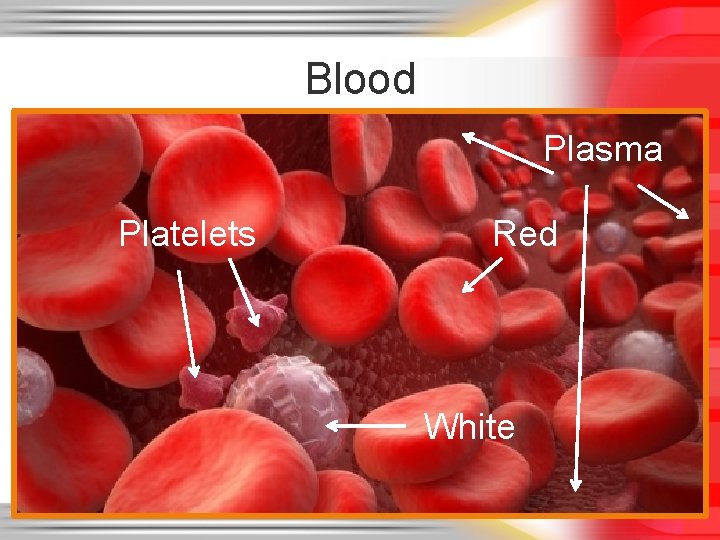
The human body tightly regulates erythropoiesis, the process by which red blood cells are produced in the bone marrow. When an individual undergoes a standard whole blood donation—typically extracting approximately 450 to 500 milliliters of blood—the body initiates compensatory mechanisms to restore intravascular volume within hours and cellular components over several weeks. According to guidelines maintained by the World Health Organization (WHO) regarding blood donor selection and clinical safety, male donors are restricted to a maximum of six donations per year, while female donors face lower annual limits due to baseline physiological iron loss.
Exceeding these frequency caps without adequate recovery time risks precipitating iron deficiency anemia, characterized by depleted ferritin stores and diminished hemoglobin synthesis. Clinical protocols dictate a strict minimum interval between whole blood donations—usually 60 days—to allow the hematopoietic system to fully recover baseline red cell mass. For patients requiring specialized therapeutic interventions or surgical support, maintaining a healthy, screened donor pool prevents critical shortages in hospital blood banks.
Addressing Seasonal Inventory Deficits Through Strategic Triage
Public health agencies report predictable seasonal troughs in blood collections during major holiday breaks and summer vacations, periods when regular donors are away from their local donation centers. These drops force hospital blood banks to prioritize emergency procedures over elective surgeries. Maintaining clinical readiness requires proactive scheduling among eligible donors before departure or immediately upon return. To evaluate personal eligibility or manage regional supply chain logistics, patients and healthcare coordinators frequently consult with specialized diagnostic facilities. For tailored guidance on managing clinical care pathways during supply fluctuations, patients can [Relevant Clinic/Professional/Service] to coordinate with vetted medical experts. Similarly, healthcare administrators reviewing transfusion protocols benefit from engaging with [Relevant Clinic/Professional/Service] to ensure compliance with regional blood utilization standards.
The operational resilience of modern transfusion medicine depends entirely on the steady rhythm of community participation. Because red blood cells possess a finite shelf life of approximately 42 days under standard refrigeration, stockpiling far in advance is not clinically viable. Continuous, rolling donor turnout remains the only effective countermeasure against inventory depletion.
Future Trajectories in Hemotherapy and Donor Management
As transfusion medicine evolves, researchers continue to refine donor selection algorithms and explore automated apheresis technologies that allow more frequent plasma or platelet collections compared to whole blood. Clinical trials and epidemiological studies published via the National Institutes of Health (NIH) repository regularly update safety parameters to balance patient transfusion needs with donor physiological safety. Ensuring long-term stability in the global blood supply requires ongoing public education regarding donation frequency limits and the biological necessity of regular intervals. Individuals seeking to schedule a donation or assess their personal health readiness for hematologic participation should consult established medical professionals. To connect with certified clinical practitioners and specialized health networks, visit [Relevant Clinic/Professional/Service] for comprehensive directory resources.
*Disclaimer: The information provided in this article is for educational and scientific communication purposes only and does not constitute medical advice. Always consult with a qualified healthcare provider regarding any medical condition, diagnosis, or treatment plan.*