Black Sea Grain Exports Halt Amid Escalating Russia-Ukraine War
Global grain markets are facing a supply-side shock as hostilities in the Black Sea have effectively shuttered more than 97% of export capacity from Ukraine and Russia. This disruption, intensified by targeted strikes on port infrastructure and commercial shipping, has driven wheat prices roughly 30% higher than a year ago, threatening food security across emerging markets.
The Erosion of Maritime Export Infrastructure
The blockade of the Azov and Black Sea basin represents a critical failure in the logistics chain. According to data reported by Reuters, the region’s average monthly export volume of 7.2 million metric tonnes has ground to a virtual halt. As of mid-August, Agriculture Minister Taras Vysotskyi confirmed that the Odesa port hub has ceased active operations, with no new ship calls recorded in the sector. The strategic nature of these terminal shutdowns—including the suspension of major Russian facilities like KSK and terminals in Novorossiysk—has forced a total reconfiguration of supply routes.
Capital Expenditure and the Cost of Diversion
The shift toward rail and river-based transport is proving to be a high-cost, low-efficiency substitute. Ukraine currently relies on rail links with Eastern Europe and Danube river ports, each accounting for about 45% of shipments, with road transport accounting for the remaining 10%. Minister Vysotskyi estimates that even with these workarounds, Ukraine can only reach 50% of its export potential while the ports remain blocked.
The reliance on higher-cost suppliers in Australia and the United States is further inflating the cost of goods sold for importers in the Middle East, Africa, and Asia.
Geopolitical Risk and the Shadow Fleet
Tensions in the region escalated following Ukrainian strikes on Russian shadow fleet tankers, prompting a cycle of retaliation that has deterred civilian ship owners. Andrii Klymenko, head of the Black Sea and Baltic Strategic Research Monitoring Group, noted in reporting by Politico that vessel owners have halted operations to evaluate the security environment, citing a heightened risk of collateral damage to commercial assets. While the Ukrainian Navy maintains that it targets only vessels violating maritime law, the insurance premiums for any ship attempting to navigate these waters have become prohibitive.
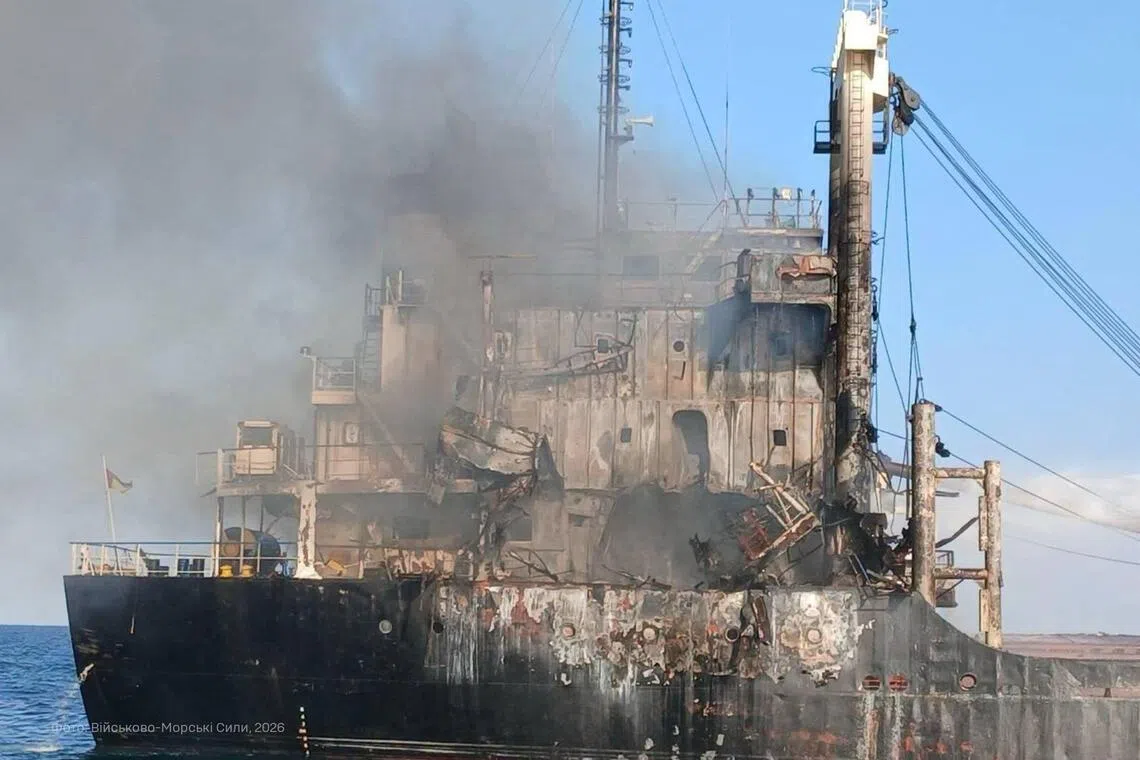
Operational paralysis at the Chornomorsk Fishing Port, where global shipping giant Maersk suspended activities, underscores the severity of the situation. The redirection of cargo to Romania’s Constanta Port serves as a temporary, albeit insufficient, relief valve for regional exports.
Market Trajectory and Strategic Positioning
With no signs of de-escalation, institutional investors are pricing in a sustained period of low liquidity in the grain sector.
