
Black Moon 2025: A Rare Celestial Event Explained
Table of Contents
A captivating astronomical phenomenon, known as a Black Moon, will grace the skies on August 23, 2025, at 02:06 EDT. This event occurs when the moon enters its new moon phase – a recurring cycle happening approximately every 29.5 days – but with a unique designation in the astronomical calendar.
What is a Black Moon?
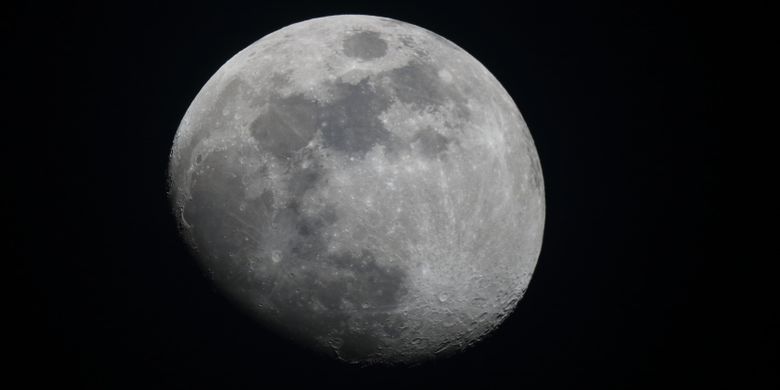
Unlike the visually striking supermoons or lunar eclipses, a Black Moon isn’t directly visible. During the new moon phase, the moon positions itself between the Earth and the sun, presenting its far side to us, effectively making it appear to “disappear” from the night sky. The term “Black Moon” actually refers to two distinct, yet rare, occurrences in astronomy.
Monthly Black Moon
A Monthly Black Moon happens when two new moons occur within a single calendar month. This phenomenon is less common, appearing roughly every 29 months. The next Monthly Black Moon is anticipated on August 31, 2027.
Seasonal Black Moon
A seasonal Black Moon occurs when a season-defined astronomically-contains four new moons, with the third new moon being designated as the Black Moon. The upcoming event on August 23, 2025, falls into this category, occurring during the summer in the Northern Hemisphere and winter in the Southern Hemisphere. This type of Black Moon is even rarer, appearing approximately every 33 months.
Did You Know? the term “blue moon” is ofen misused, as the moon rarely appears blue in colour. The Black Moon, however, accurately describes the moon’s invisibility during its new moon phase.
Why is a Black Moon Happening in August 2025?
The current astronomical season began with the summer solstice around June 20-21 and will conclude with the autumnal equinox on September 22. Within this timeframe, four new moons will occur: on June 25, 2025; July 24, 2025; August 23, 2025; and September 21, 2025. Because four new moons fall within one season, the third – occurring on August 23, 2025 – is classified as a Seasonal Black Moon.
Although the Black Moon itself isn’t visible, the night of August 23, 2025, presents an exceptional possibility for stargazers. The absence of moonlight will result in a remarkably dark sky, enhancing the visibility of stars and galaxies.
Pro Tip: Plan yoru stargazing for a location away from city lights to maximize your viewing experience during the Black Moon.
What Can You Expect to See?
According to Space.com, several celestial sights will be especially prominent during the Black Moon:
- The Milky Way: A clear view stretching from Deneb to Altair, traversing the Summer Triangle (Vega, Deneb, Altair).
- Faint Sky Objects: Nebulae and star clusters typically difficult to observe will become more visible.
- Thin Crescent Moon: On August 24-25, a delicate silver arc will appear on the western horizon shortly after sunset, marking the first visible sliver of the waxing crescent moon.
| Black Moon Type | Frequency | Next Occurrence |
|---|---|---|
| Monthly Black Moon | Approximately every 29 months | August 31, 2027 |
| Seasonal Black Moon | Approximately every 33 months | August 20, 2028 |
Captivating Facts About black Moons
As reported by EarthSky, here are some additional facts about Black moons:
- Monthly Black Moons occur roughly every 29 months, with the last one happening on December 30-31, 2024.
- Seasonal Black Moons occur approximately every 33 months, with the last one appearing on May 19, 2023.
The Black Moon phenomenon on August 23, 2025, is a highly anticipated event for astronomy enthusiasts. While invisible in itself, the resulting dark skies offer a unique opportunity to observe the cosmos. What are your plans for observing the night sky during this rare event? Do you have a favorite constellation to look for?
The study of lunar cycles and their impact on Earth has been a cornerstone of astronomy for centuries. Understanding the nuances of events like the Black Moon provides valuable insights into the complex interplay between our planet and its celestial neighbor. as technology advances, our ability to observe and analyze these phenomena will continue to grow, deepening our understanding of the universe.
Frequently Asked Questions About Black Moons
- What exactly is a Black Moon? A Black Moon isn’t a moon that appears dark, but rather a designation for a rare occurrence involving new moons.
- Can you see a Black Moon? No, a Black Moon is not visible as it occurs during the new moon phase when the moon is between the Earth and the sun.
- How often do Black Moons happen? Monthly Black Moons occur about every 29 months, while Seasonal Black Moons happen about every 33 months.
- Is a Black Moon diffrent from a Blue Moon? Yes, a Blue Moon refers to the second full moon in a calendar month, while a black Moon relates to new moons.
- What makes the August 2025 Black Moon special? It’s a seasonal Black Moon, meaning it’s the third new moon in an astronomical season with four new moons.
We hope this article has illuminated the fascinating world of Black Moons. Share this article with fellow astronomy enthusiasts and let us know in the comments what you plan to observe during this special event!
