Black Fashion and Beauty: The Global Influence and Evolution of Style and Beauty in America
Between 1980 and 2014, Black fashion and beauty evolved from localized cultural expressions into the primary engine of global style. By shifting from community-based aesthetics to a dominant commercial force, Black creatives—from Harlem to Compton—redefined the American marketplace, forcing luxury houses and corporate brands to reconcile with an entirely new cultural blueprint.
The Architecture of an Aesthetic: From Neighborhoods to Global Runways
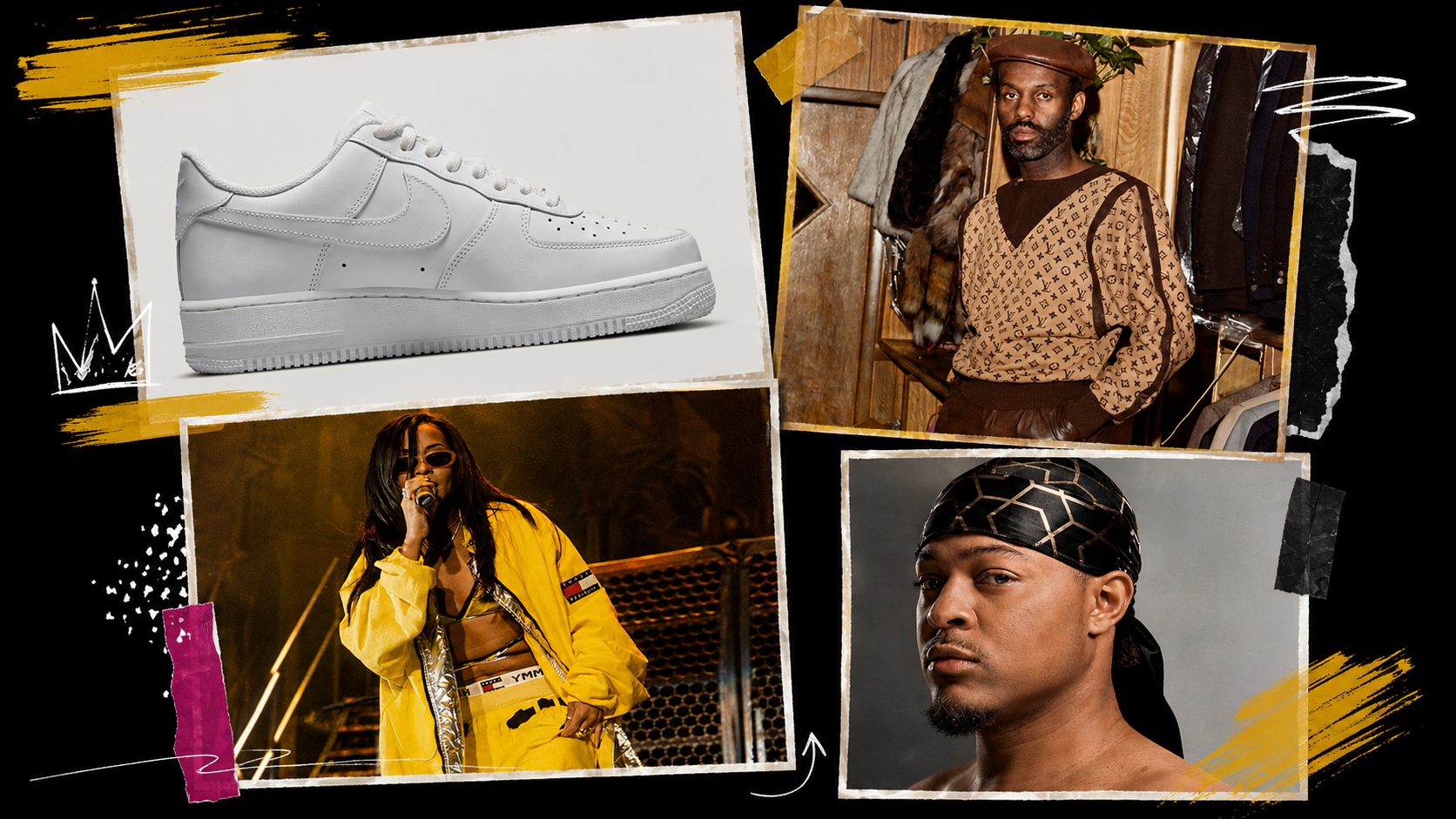
The transformation of Black style into a global export was not a top-down phenomenon. It was a grassroots movement that gained momentum through regional distinctiveness. In New York, the innovation of Dapper Dan—who famously remixed luxury logos into streetwear silhouettes—challenged the exclusivity of high-fashion houses.
Simultaneously, the West Coast was codifying a specific visual identity. The rise of gangsta rap cemented the "relaxed uniform" of khakis, flannel shirts, and pristine sneakers.
Commercializing Cultural Identity: The Rise of Black-Owned Enterprise
Brands like FUBU, Karl Kani, and Phat Farm proved that Black designers could capture market share on their own terms. Michael Jordan’s signature sneakers created an entirely new economy around footwear, forever changing the relationship between sports, fashion and commerce.
The infrastructure of the fashion world was being forced to adapt to the velocity of hip-hop culture.
Beauty as a Cultural Conversation: Beyond the Salon
The influence of Black style extended deeply into beauty standards. The era of the short, confident pixie cut—popularized by figures like Halle Berry, Nia Long, and Toni Braxton—challenged traditional, long-held notions of femininity. This was mirrored by the evolution of hair rituals, where the Bronner Bros. Hair Show emerged as a critical venue for artistic innovation.
By the 2010s, this conversation migrated to the digital space. The democratization of beauty expertise via YouTube, led by creators like Jackie Aina and Patricia Bright, effectively bypassed traditional beauty gatekeepers. These creators provided the technical knowledge—foundation matching, protective styling, and ingredient analysis—that legacy companies had historically ignored. This digital shift created a direct-to-consumer model that forced legacy beauty conglomerates to rethink their diversity and inclusion strategies.
Regional Pride and the Standardization of Style
The American South contributed its own distinct visual language to the global mix. The prevalence of oversized white tees, Air Force 1s, and elaborate grills became regional staples that eventually permeated mainstream fashion. This regionalism serves as a reminder that Black style is not a monolith but a collection of distinct, highly influential subcultures.

The economic impact of these trends is still being felt today.
The Path Toward Ownership: 2015 and Beyond
By 2014, the groundwork for the modern era was fully laid. The transition from being the "influence" behind the trend to being the "owner" of the brand became the new mandate. The influence of Virgil Abloh, the rise of Rihanna’s Fenty empire, and the advocacy of the Black Fashion Council represent the culmination of decades of labor.
The blueprint has been written.