
Bitmine buys 71,000 ETH as digital asset treasuries dial back purchases
BitMine Immersion Technologies (BMNR) executed a counter-cyclical accumulation of 71,179 ETH this week, defying a broader market retreat where major digital asset treasuries halted purchases. With total holdings now reaching 4.73 million tokens, the firm signals a high-conviction bet on Ethereum’s long-term yield potential despite short-term geopolitical volatility and oil price shocks suppressing risk appetite across the sector.
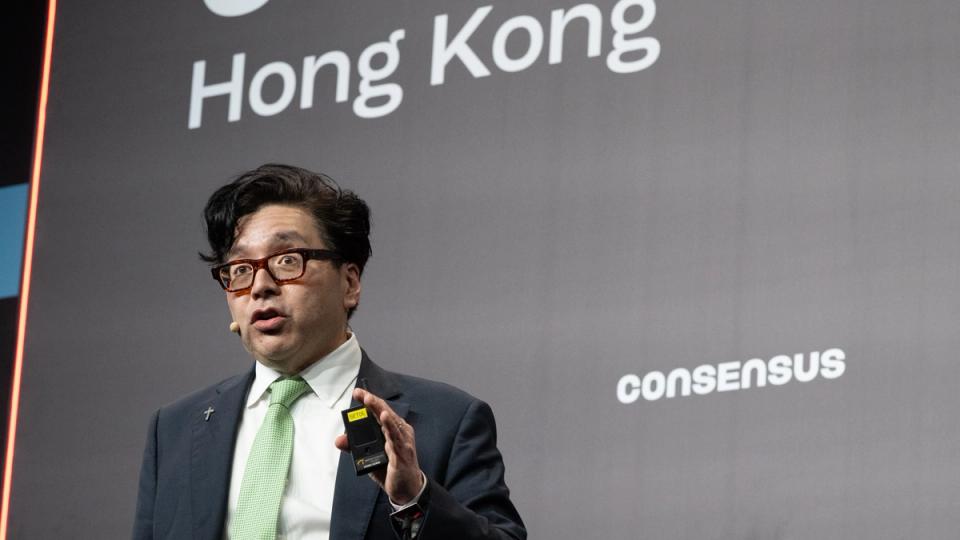
The divergence in corporate strategy is stark. While the broader market treats liquidity as a shield, BitMine treats it as a weapon. Chairman Thomas “Tom” Lee’s decision to deploy $143 million in fresh capital during a downturn isn’t just a trade; it is a statement on balance sheet resilience. Most corporate treasuries are currently deleveraging, scrambling to secure working capital as credit spreads widen. BitMine, conversely, is effectively shorting the fear index.
The Liquidity Paradox: Why Competitors Are Freezing
To understand the magnitude of BitMine’s move, one must analyze the capital constraints binding their peers. The recent pause in accumulation by Strategy (MSTR)—breaking a thirteen-week buying streak—suggests a liquidity bottleneck or a strategic pivot toward cash preservation. In a high-interest rate environment, the opportunity cost of holding volatile assets versus yielding cash instruments creates a friction point for CFOs.
BitMine’s balance sheet tells a different story. With $961 million in cash and equity stakes, including a significant $102 million position in Eightco Holdings, the firm possesses the dry powder necessary to exploit market inefficiencies. This represents not reckless speculation; it is calculated arbitrage. However, managing a treasury of this magnitude—now totaling $10.7 billion in combined crypto and cash—introduces complex operational risks.
Companies navigating similar volatility often require specialized corporate treasury management services to hedge against currency devaluation while maintaining compliance. The gap between BitMine’s aggressive posture and the market’s defensive crouch highlights a critical need for robust risk modeling.
Comparative Analysis: Digital Asset Treasury Strategies Q1 2026
The table below contrasts BitMine’s accumulation velocity against the broader industry trend, utilizing data from recent SEC filings and on-chain analytics.
| Metric | BitMine Immersion (BMNR) | Industry Average (DATs) | Strategy (MSTR) |
|---|---|---|---|
| Weekly Net Flow | +71,179 ETH | -12,400 ETH (Net Sell) | 0 (Paused) |
| Total Asset Exposure | 3.92% of ETH Supply | 0.45% Avg. Supply | 4.1% of BTC Supply |
| Cash Reserves | $961 Million | $150 Million (Est.) | $2.1 Billion |
| Strategic Stance | Aggressive Accumulation | Capital Preservation | Neutral / Hold |
The data reveals a consolidation of supply. BitMine now controls nearly 4% of the entire Ethereum network. This concentration of power shifts the dynamic from passive holding to active market making. When a single entity holds this percentage of a liquid asset, their entry and exit points dictate market structure.
Regulatory Friction and the Compliance Moat
Aggressive accumulation invites regulatory scrutiny. As BitMine expands its footprint, the complexity of its reporting obligations grows exponentially. The firm is no longer just a mining operation; it is a de facto financial institution. Navigating the intersection of securities law and digital asset custody requires precision.
“We are seeing a bifurcation in the market,” says Elena Rossi, Chief Investment Officer at Vertex Capital Partners, a firm specializing in institutional crypto exposure. “Companies like BitMine that have pre-established legal frameworks for holding digital assets on their balance sheet are winning. Those trying to retrofit compliance into an existing legacy structure are getting crushed by audit delays and regulatory uncertainty.”
“The market is pricing in fear, but the balance sheets of the winners are pricing in optionality. BitMine isn’t buying ETH; they are buying leverage for the next cycle.”
This compliance burden is where many mid-cap firms fail. Without the right infrastructure, a treasury strategy can quickly become a liability. This is why we are seeing a surge in demand for specialized corporate law firms that understand the nuances of the 2026 digital asset regulatory landscape. The cost of non-compliance now far exceeds the cost of counsel.
The Macro Headwinds: Oil and Geopolitics
Lee’s commentary on rising oil prices and geopolitical tension provides the macro backdrop. Energy costs directly impact mining margins, yet BitMine continues to buy. This suggests a hedging strategy: if energy costs rise, the value of the underlying asset (ETH), which serves as the settlement layer for global energy trading and decentralized finance, may appreciate in correlation.
However, this correlation is not guaranteed. Institutional investors monitoring this trade are looking at the basis points. If the yield on ETH staking does not outpace the rising cost of capital driven by inflation, the trade thesis crumbles. According to the latest SEC 10-Q filing trends for the sector, companies are increasingly disclosing “digital asset impairment charges” as a standard line item, a risk BitMine is actively betting against.
For competitors looking to replicate this model without the same risk tolerance, the solution often lies in institutional-grade digital asset custody solutions that offer insurance and yield optimization without direct balance sheet exposure. BitMine’s direct ownership model is high-risk, high-reward, suitable only for those with iron-clad liquidity.
Editorial Kicker: The Cost of Inaction
The market rewards conviction, but it punishes hesitation. BitMine’s $143 million wager is a clear signal that the “downturn” narrative is being used by insiders to accumulate cheap assets before the next liquidity cycle opens. For the rest of the corporate world, the question isn’t whether to buy, but whether they have the operational infrastructure to survive the volatility while they wait for the upside.
As we move into Q2 2026, the divide between companies with sophisticated treasury operations and those relying on traditional banking rails will widen. If your organization is considering a similar pivot, or if you need to audit your current exposure to digital assets, the World Today News Directory offers a vetted list of B2B partners capable of executing these complex financial maneuvers. Do not let your balance sheet become a relic of the past cycle.